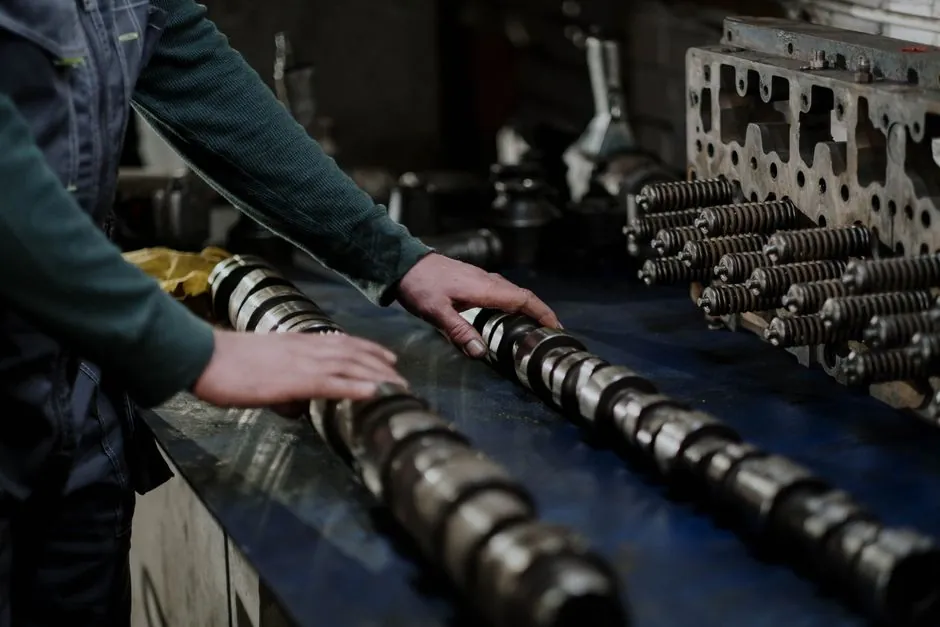
A 2,500 kg safe working load, 685 mm fork width, and 1,150 mm fork length covers the standard EUR/CHEP/IBC tote mix handled on automotive assembly-line side feeds and tier-1 supplier docks [S2][S4].
Automotive parts move on CHEP and EUR pallets weighing 20–25 kg plus a payload of engine subassemblies, body panels in stillages, and plastic bins that typically push gross weights to 800–1,800 kg, well inside the manual jack envelope, so the design question is wheel chemistry, fork width, and floor condition rather than headline capacity [S2][S4].
Why 2,500 kg Becomes the De Facto SWL
Manual pallet jacks are stocked in capacities from 1,000 kg to 5,000 kg, with 2,500 kg as the most common standard specification sold through full-line distributors [S2].
For a tier-1 stamping or transmission plant, the typical edge-of-line tote is 600–1,200 kg, so a 2,500 kg SWL gives a 2:1 to 4:1 safety margin against overload, which is the band most safety officers and OEM purchasing specs reference when writing forklift-replacement equipment standards. Heavy-duty 3,000 kg and 5,000 kg manual units exist for dense components such as battery trays, engine blocks on steel pallets, and rear-axle assemblies, and they remain a manual-pump configuration with reinforced forks and tandem load wheels [S4]. For automotive plants that handle aluminium body panels in stillages, the lighter 1,500–2,000 kg rated units are also worth shortlisting because they cut unladen truck weight by 30–40 kg, which reduces operator push force on repetitive loops. The right SWL is set by the heaviest single pallet moved in a normal shift, not by occasional peak loads, because chronic over-spec adds steer effort and accelerates wheel wear on painted or epoxy floors.
Fork Width, Fork Length, and Pallet Compatibility
Standard manual jack fork width is 685 mm and fork length is 1,150 mm, sized to enter the openings of a 1,200 mm × 1,000 mm EUR pallet and a 1,219 mm × 1,016 mm CHEP pallet [S2].
Automotive plants running a mix of EUR, CHEP, and the 1,219 mm × 1,067 mm GMA pallet need to confirm fork length covers the deepest pallet in the fleet; a 1,220 mm fork option exists for long bulk-pallet applications and avoids tip-when-loaded behaviour on short 800 mm half-pallets used for gear sets and ECU trays [S2]. For a related bearing spec deep-dive that crosses into material-handling equipment, the slewing ring bearing selection map for material handling walks through load and seal bands for the same class of equipment. Plants still running wooden block pallets alongside plastic pallets should test fork tip profile and entry radius, because hand-pump jacks with non-tapered tips can hang up on broken stringers and force operators to use the jack as a pry bar, a documented root cause of steer-wheel damage. A 685 mm outer fork width is the right call for EUR and CHEP; a 540 mm narrow-gauge version exists for the automotive narrow-aisle tote programme but reduces lateral stability on tall gearbox stillages.
Floor Condition Is the Hard Selection Gate

Manual pallet jacks require a smooth, level, hard floor surface; rough, uneven, or soft ground is both inefficient and unsafe, and quickly destroys polyurethane wheels [S2].
Most automotive stamping and assembly halls run power-trowelled concrete with a surface tolerance of 3 mm under a 2 m straightedge, which is fully compatible with standard 200 mm diameter polyurethane drive wheels and 80 mm tandem load wheels. Plants with expansion joints every 4.5 m, common in press shops, should fit nylon entry/exit rollers and specify a reinforced fork tip, because every joint is a shock load on the hydraulic pump linkage. Where floors are damaged, oil-slick, or include metal floor plates around robotic cells, a rough-terrain manual jack with pneumatic tyres and a 1,500–2,000 kg SWL is the safer pick, accepting the larger turning radius.
Trip Distance and Operator Fatigue
Manual pallet jacks suit infrequent moves or short trips, typically up to 30–40 m per move, beyond which operator fatigue becomes significant, especially above 1,500 kg loads [S4].
In a typical body-in-white side feed, the line-side tote loop is 15–25 m, well inside the manual comfort zone, but the supermarket replenishment route from goods-in to the kitting rack frequently runs 80–150 m, and that is the exact use case where a walkie electric pallet jack (3,000–6,000 lb capacity, battery-powered, tiller-controlled) outperforms a manual unit [S3]. The crossover rule used by most automotive logistics engineers is: if any single route exceeds 40 m, or if a single operator performs more than 80 pallet moves per shift, specify a walkie electric rather than a manual. The same total-cost model is laid out in the pallet jack market share 2026–2034 report, which frames manual and electric as complements, not substitutes, in a mixed fleet.
Comparison: Manual vs Walkie Electric vs Rough-Terrain vs High-Lift
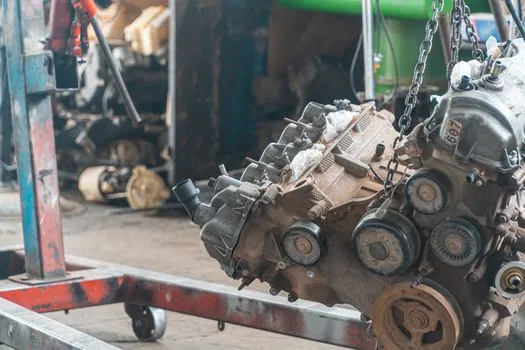
On four decision criteria typical for automotive parts logistics, the four main jack classes line up as follows: capacity 1,000–5,000 kg for manual, 1,360–2,720 kg (3,000–6,000 lb) for walkie electric, 1,500–2,000 kg for rough-terrain, and 1,000–2,000 kg for high-lift/manual stacker; typical trip range is 0–40 m for manual, 40–150 m for walkie, 0–30 m on uneven ground for rough-terrain, and 0–20 m with 800–1,800 mm lift height for high-lift; floor requirement is sealed smooth concrete (3 mm tolerance) for manual and walkie, broken/asphalt/gravel for rough-terrain, and sealed smooth concrete for high-lift; operator effort is high (pump + push) for manual, low (powered travel) for walkie, medium for rough-terrain, and high for high-lift [S2][S3][S4].
For paint-shop stillage moves where 800 mm lift height clears the conveyor, a manual high-lift pallet stacker replaces a forklift on short order, but it does not handle rough floors. The walkie electric spec is the same physical envelope as a manual, so existing pallet racks and dock doors need no change, an important point for brownfield automotive plants. For comparison, the electric pallet truck selection criteria cover the battery sizing (typically 100–250 Ah) and tiller-control variants that walkie units use. Rough-terrain manual jacks gain ground clearance by trading to 250–300 mm diameter pneumatic tyres, which prevents use in narrow-aisle racking.
Failure Modes and Maintenance Triggers
The two wear components on a manual jack are the hydraulic seal and the wheels, with the typical pump-stroke count of 3–5 strokes to full lift on a standard unit, so a slow lift or a sinking load under static pressure is the diagnostic for a failing seal [S4].
Automotive plants running three-shift operations should expect a polyurethane wheel life of 12–18 months on a 250-move-per-day route, with the steer wheel wearing first because it carries the steering scrub load on every direction change. Tandem load wheels on the fork tip last longer but fail suddenly when the bearing seizes, which then scores the floor. Hydraulic fluid should be ISO VG 32 mineral oil, with a 12-month change interval in dusty stamping environments and a 24-month interval in clean assembly halls. For plants standardising on a single supplier for both manual and electric units, the pallet rack UPR/load class compatibility map helps line up jack floor-load limits with racking design.
When Manual Is the Wrong Choice
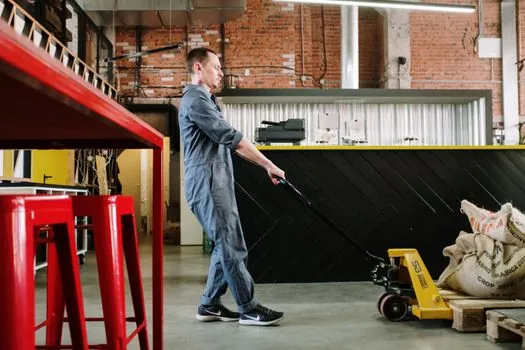
Manual is the wrong pick when average trip distance is over 40 m, when moves per shift exceed 80 per operator, when the load is a tall stillage with a high centre of gravity, or when the floor is anything other than sealed, smooth, hard concrete [S2][S4].
Engine assembly lines, transmission lines, and paint-shop feed lines all hit one of these thresholds routinely, which is why the walkie electric penetration rate in tier-1 automotive plants is far above the general-warehouse average. Manual remains a strong fit for the loading dock, the goods-in inspection area, the spare-parts warehouse, and the body-shop tote-buffers between presses, all of which sit inside the 30 m radius. A simple total-cost rule: manual at $200–$500 per unit with 5-year service life, walkie electric at $2,500–$5,000 per unit with 7–10 year life and battery replacement at year 4–5, so the break-even on moves per shift is around 60–80 when labour cost is loaded at the regional plant rate.
Trackable signals for a procurement decision are: shift-by-shift move count from the WMS by route segment, average loaded weight per move by part family, and a 30-day rolling operator-fatigue incident log. When the move count on a route clears 80 per shift or the route length clears 40 m, retender that segment as a walkie electric specification and keep the manual fleet for the dock and inspection zones. Plants planning a 2027 brownfield expansion should publish both SWL and trip-distance requirements in the RFP, because retrofits after a jack fleet is in service cost 3–5x the spec-in price.