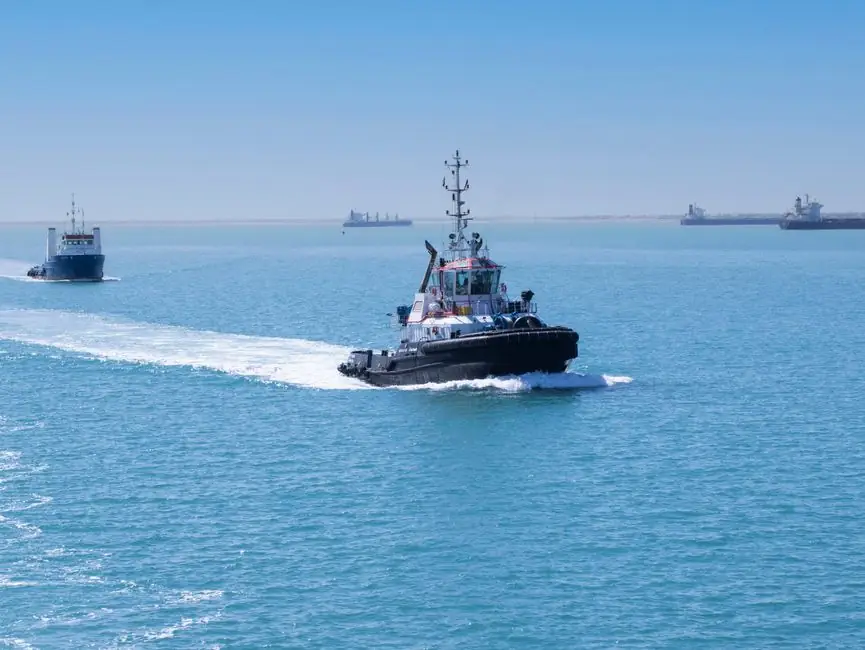
A marine pinch valve isolates or modulates flow by compressing a replaceable flexible sleeve, with manual, pneumatic, electric, or solenoid actuation and material selection driven by pressure, temperature, chemistry, and cycle count [S2][S3][S5].
For seawater, ballast, bilge, fuel-oil, fire-main, cargo-handling, and shipboard slurry duties, the sleeve is the primary wetted wear component, while actuator selection determines fail-safe behavior, control accuracy, maintenance access, and suitability for hazardous-area integration [S2][S4].
Pinch valve construction and marine suitability
A pinch valve contains a reinforced body, an elastomer sleeve, end flanges or threaded connections, and a mechanical closing element that compresses the sleeve to restrict the bore [S3]. In the open position, the sleeve expands toward the pipe wall and creates a substantially unobstructed flow path; in the closed position, sleeve contact provides the shutoff surface [S2][S3]. This arrangement leaves the body and most mechanical parts outside direct contact with the process medium.
That separation is the central engineering benefit for marine systems handling sediment, biological solids, paint residue, or solids-laden ballast water. A replaceable sleeve can restore performance after wear without stripping a metal seating surface or reprocessing a metal valve body [S2][S4]. The valve is available in multiple sizes and can be configured for different installation and actuation requirements [S8].
Marine suitability still requires more than selecting a seawater-resistant sleeve. The assembly must be checked for hull vibration, salt-laden air, confined-space access, fire-main requirements, hose routing, and the space available for sleeve replacement. A shipboard installation should also establish whether isolation, throttling, frequent cycling, or a combination of those duties is required.
Choose the duty before the actuator
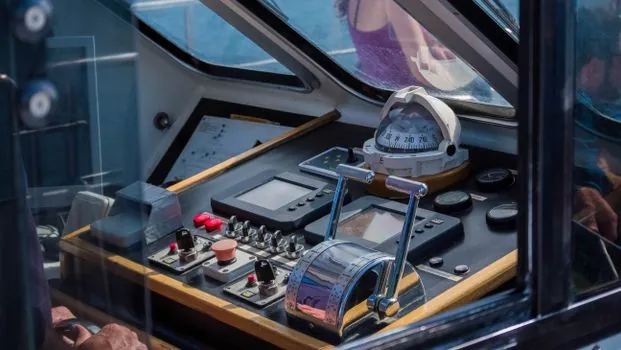
Manual actuation suits infrequent ballast or bilge isolation where no powered control is required; solenoid actuation suits simple on-off service; pneumatic actuation supports fail-action proportional or on-off control; and electric actuation supports remote operation and higher cycle demands [S2]. The actuator decision should begin with the required fail position, available supply, control signal, stroke frequency, and maintenance access rather than with nominal torque alone.
The comparison is straightforward. Manual equipment has the fewest powered components but requires physical operation. A solenoid provides a compact two-state solution, although the selection must cover coil voltage and consumption, duty rating, ingress protection, and the required fail state. A pneumatic actuator provides straightforward proportional positioning and can be arranged for spring-return failure behavior. An electric actuator supports automated sequencing and remote indication, but it introduces a motor, gear train, controls, and additional environmental requirements.
For a controlled marine application, sizing must begin with pipe diameter, maximum flow in GPM, minimum flow in GPM, and the required control characteristic [S6].
Sleeve material governs service life
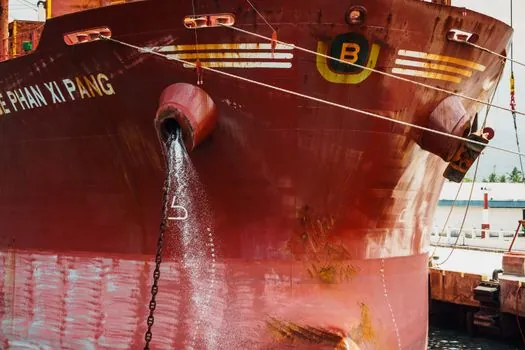
Sleeve material is the main determinant of chemical resistance, abrasion resistance, pressure capability, temperature capability, and cycle life [S5]. The material must match the actual marine service, including salt concentration, chemicals carried in the line, solids size, temperature, and operating pressure. A rubber that handles clean water may be unsuitable for fuel, solvents, oils, oxidizers, or hot service.
Three practical material-selection paths exist. Premium elastomers provide a balance of abrasion and chemical resistance for demanding slurry duties; standard elastomers suit less severe service where cost dominates; and specialized elastomers are required for aggressive chemistry or temperature exposure. The selection must still be validated against the complete medium, including concentration and temperature, because elastomer chemical compatibility is not adequately described by the service name alone [S2][S5].
Cycle life is a separate constraint from wear resistance. A sleeve may resist abrasion yet fail early if the valve is cycled too frequently, closes against excessive differential pressure, or operates outside its qualified temperature range [S5]. The engineering record should therefore state the expected starts per day or cycles per year, not merely the annual operating hours.
Pressure, flow, and control requirements
Control-valve selection requires at least four quantified inputs: pipe diameter, maximum flow in GPM, minimum flow in GPM, and the pressure or flow characteristic required by the control loop [S6]. These inputs allow the engineer to determine whether the selected sleeve geometry and actuator can cover the required operating range without excessive throttling loss or unstable control near the open position.
For simple isolation, do not pay for proportional hardware or a positioner that the duty cannot use. For level or flow control, do not accept an on-off closure characteristic when the process requires stable throttling.
Full-bore opening reduces pressure loss, but pressure rating must still be checked against the maximum differential pressure across the sleeve, including standing pressure, pump shutoff pressure, water hammer, and any actuator closing force [S2][S3]. Check the stated working-pressure limit for the complete valve assembly, including actuator, frame, and end closures, rather than relying on a pipe flange rating.
Marine applications and material exposure

Pinch valves are credible candidates for ballast and bilge isolation, seawater transfer, cargo-handling media, and solids-laden shipboard services. Slurry applications benefit from the sleeve absorbing part of the impact energy of particles while isolating the metal valve body from direct erosion [S2][S4]. Lime slurry is a documented pinch-valve application because lime remains as a suspended solid rather than dissolving into solution [S7].
Seawater service requires a documented elastomer suitable for continuous immersion in the specified salinity and temperature. Fire-main service requires the valve, sleeve, actuation method, and restoration behavior to meet the vessel or installation's approved system requirements. Cargo and chemical systems require compatibility with the exact cargo, cleaning chemicals, residual cargo, and washdown procedure. Valve material certificates alone do not resolve those service questions.
Pinch valves are not the automatic choice for every marine line. High-temperature steam, very high pressure, light hydrocarbon control demanding tight shutoff, or applications where metal seats and high-temperature elastomers cannot meet the duty may require another valve architecture. The marine gate valve selection guide is useful for comparing that alternative by body, stem, class, and material rather than forcing a pinch valve into an unsuitable isolation duty.
Failure modes and commissioning checks
The dominant failure mode is sleeve wear, followed by loss of shutoff or reduced regulation accuracy as the sleeve loses its original geometry [S2][S5]. Other commissioning concerns include incomplete sleeve expansion, sleeve damage from overtight closure, actuator misalignment, restricted installation access, and control instability caused by unsuitable sleeve geometry [S2][S6].
Before sea trials, verify the valve tag and piping class, inspect the sleeve for cuts or chemical attack, confirm full opening and shutoff, exercise the actuator through its complete stroke, and record actuator stroke time. For proportional duty, check minimum and maximum flow against the required GPM range and verify indicated position against measured process response [S6].
Maintenance planning should use sleeve life rather than a generic valve overhaul interval. The sleeve is the consumable wear item, and replacing it can restore valve performance without exposing the body and frame to slurry [S2]. For marine pumps on the same duty, record the same minimum, maximum, and normal flow values because the valve and pump must be matched to one operating envelope rather than sized independently.
Shortlist logic for marine procurement
A robust shortlist identifies the valve size, connection, elastomer, pressure rating, temperature limit, actuator type, fail position, flow range, and cycle expectation for each service line. Manual isolation with infrequent cycling should use a manually operated valve; simple automatic on-off service should use a solenoid or pneumatic actuator with the specified fail action; proportional service should use a tapered sleeve and an actuator capable of the required positioning duty [S2][S6].
Before purchase, obtain manufacturer data for the complete valve assembly rather than a sleeve-only statement. Require minimum and maximum design flow in GPM, maximum allowable working pressure, operating-temperature range, actuator supply, fail position, sleeve material, and expected cycle life. Reject any submittal that does not connect these values to the actual marine line duty.
The final selection should be traceable through 5 checks: flow range from minimum and maximum GPM, differential pressure across the sleeve, elastomer compatibility with the complete medium, actuator fail behavior, and physical access for sleeve replacement [S2][S5][S6]. If any one check depends on an unstated assumption, the valve is not yet ready for marine procurement.