
Marine plug-valve selection starts with the fluid, operating pressure and temperature, and whether the duty is on/off isolation or throttling; clean natural-gas isolation commonly uses a pressure-balanced lubricated design at ANSI Class 150 to 600 [S2].
The practical scope covers marine oil, gas, fuel, cargo, bilge, ballast, seawater, and offshore process duties, where a plug valve is suitable only after its plug geometry, sealing arrangement, body material, end connection, and operating mechanism match the installation.
Plug valve architecture and marine service limits
For marine use, this geometry suits pipe isolation where rapid operation and tight shutoff matter, but it does not make every plug valve suitable for seawater, fuel, cargo, or hydrocarbon service. The selected construction must also satisfy the vessel or offshore installation requirements, including pressure class, temperature, corrosion, fire safety, actuation, and the applicable connection standard.
A standard lubricated valve should therefore be evaluated against the vessel’s lube system or packing access rather than selected solely for its pressure rating.
Compare the four main plug-valve configurations
Pressure-balanced lubricated, non-lubricated sleeved, eccentric, and conventional lubricated designs differ most in torque, contamination tolerance, sealing architecture, and maintenance burden [S2][S3]. The following comparison uses the selection variables stated in the research rather than assigning unsupported performance percentages.
The eccentric option is a hybrid of plug and butterfly construction, with a deliberate 20–30° offset between plug and seat [S3]. Eccentric plug valves use a 20–30° offset between the plug and its seat to minimize wear during rotation, maintain a consistent zero-leakage seal, and provide enhanced durability and efficient slurry control.
Size the valve for pressure, bore, and flow control

Begin the marine datasheet with design pressure, design temperature, fluid density and viscosity, allowable pressure drop, required flow rate, and the pipe-bore schedule. Full-bore construction generally preserves the pipeline flow area, while reduced-bore construction can increase pressure drop; neither can be selected from nominal size alone [S2].
For a marine cargo or fuel line, calculate the line pressure loss at the maximum expected flow rather than selecting the largest available bore.
Isolation and throttling are different duties. The standard selection sequence requires matching the required flow control, on/off isolation versus throttling, to the valve construction [S2]. A plug valve installed as a throttling element requires verified restricted-flow performance, actuator sizing, and allowable pressure-drop data; a straight-through full-bore plug should not be assumed to regulate flow safely.
Match marine fluids to body, trim, and seat materials
Plug-valve material selection is media-specific: crude oil, refined products, natural gas, slurry, seawater, ballast water, fuel oil, and corrosion inhibitor demand different corrosion allowances and seal chemistry [S2]. ZSPEC’s plug-valve catalog lists replaceable plugs, inserts, and seal kits. These are available material designations, not automatic approvals for a specific marine system.
Plug-valve selection starts with matching the media, operating pressure and temperature, and required flow control to the application.
Do not let a strong body material hide a weak seal. The plug, body, seat, stem, gland packing, end connection, and repair components form one corrosion and leak-tightness system.
Marine applications that fit and applications to avoid
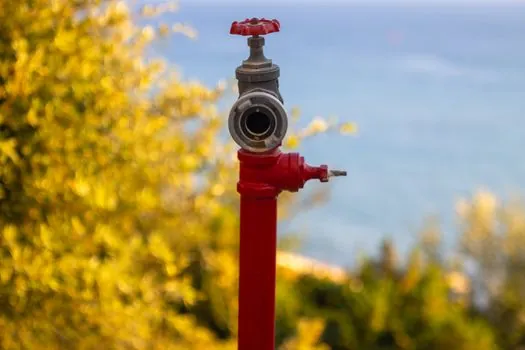
Plug valves are credible candidates for oil and gas gathering, transmission, processing, marine loading systems, fuel transfer, and other isolation points where a quick quarter-turn closure and full-bore route are useful [S2]. ZSPEC specifically markets interchangeable LT-style plug valves and parts for oil-field, marine, and industrial service, with plug, insert, and seal-kit replacement provisions [S4].
For abrasive or corrosive slurries, an eccentric plug valve is generally the more defensible selection because its 20–30° eccentric geometry and cam action are designed to reduce friction and seat wear [S3]. By contrast, conventional ball valves are normally preferred for throttling or frequent cycling where their characterized V-port or characterized control geometry is required, while gate valves are more suitable for infrequent, full-open or full-closed isolation where low pressure drop is the priority [S2].
Do not use a conventional lubricated plug where the vessel forbids hydrocarbon-contaminating sealant, where periodic injection cannot be performed, or where a polymer sleeve is chemically unsuitable. Do not use a reduced-bore plug on a critical low-pressure-drop cargo line without an engineering pressure-loss check. Do not use an eccentric slurry valve where the medium contains no solids but the higher purchase and maintenance complexity provides no benefit [S2][S3].
For broader actuator and control decisions, compare the plug valve with the angle-seat valve when throttling behavior is the governing requirement. A standard isolation plug and an angle-seat control valve serve different hydraulic and operating purposes, so their selection criteria should not be merged into one unspecified valve category.
Connections, actuation, and procurement checks
Specify the end connection rather than accepting a generic body designation. Flanged, threaded, welded, and clamp connections have different corrosion barriers, installation requirements, and inspection routines; the selection guide identifies end connections as a separate sizing decision [S2]. For welded marine service, confirm valve-body metallurgy, weld procedure, and matching pipe wall thickness. For threaded or clamped systems, confirm pressure rating, seal method, and whether disassembly is practical in confined spaces.
Marine procurement data should also identify actuator type, fail action, operating torque, maximum working pressure and temperature, body and trim materials, seat material, flow orientation, end connection, repair-kit scope, and any required certification [S2][S4]. ZSPEC’s listed replacement components include plugs, inserts, and seal kits for LT-style valves, which illustrates the value of confirming interchangeability before ordering [S4].
Flowserve Durco offerings are described in lined, sleeveline, and rotary-control configurations, with ductile iron, carbon steel, or stainless-steel plug valves [S7]. Those broad construction families show why a purchase order should specify the exact body, trim, sealing, and control configuration rather than rely on a series name alone.
The related decision guide Plug Valve Selection for Power Generation applies similar media, pressure, temperature, and actuation logic, while marine service adds the vessel-specific corrosion, space, and certification constraints.
Shortlist logic for a marine plug-valve purchase

A defensible marine shortlist starts with four filters: confirmed media and contaminants, maximum design pressure and temperature, required isolation or throttling function, and the installation’s corrosion and space constraints [S2]. Apply the results as follows: choose a pressure-balanced lubricated plug for high-pressure gas or liquid where torque control and sealant service are acceptable; choose a non-lubricated sleeved plug for compatible clean service where routine lubricant injection is undesirable; choose an eccentric plug for abrasive or corrosive slurries; and use another valve type when throttling control or another specialized duty dominates [S2][S3].
Before release, require the supplier to confirm the pressure-temperature envelope, materials, seat and sealant compatibility, bore, flow capacity, end connection, actuator sizing, maintenance parts, and the governing marine or project standard. For industrial plug valves used in pipeline service, API 6D is a common reference, but applicability must be confirmed for the exact marine installation [S2].