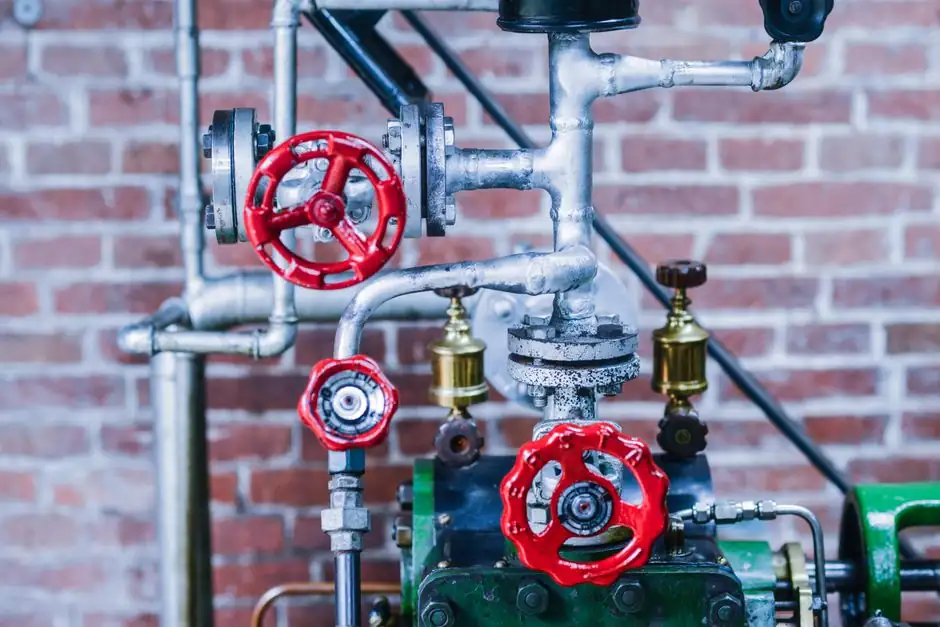
Power-generation plug valves should be selected by matching pressure, temperature, media, flow function, and seat construction to the specific service duty [S1][S3].
Quarter-turn plug valves suit rapid isolation where a straight-through flow path, low pressure drop, and reliable shutoff are required, but their suitability depends on pressure class, operating temperature, corrosion, solids, actuation torque, and the required end connection [S1][S5].
Match the valve to pressure, temperature, and media
A plug valve is a quarter-turn rotary isolation device whose bored or tapered plug aligns with the flow path when open and blocks it after a 90-degree rotation [S1]. Selection should begin with three variables: media, operating pressure and temperature, and the required duty, meaning on/off isolation or throttling [S1].
For clean natural-gas isolation, a pressure-balanced lubricated plug valve is a suitable baseline design at ANSI Class 150 through Class 600, while the operating pressure, gas composition, allowable torque, and required shutoff class remain procurement-critical [S1]. Eccentric plug valves were first used in the 1930s in the paper industry, and a mid-size valve may have a half-inch second offset between the seat and shaft centerlines.
High-temperature service requires a separate material and elastomer check. Stainless steel and Inconel are identified for applications involving temperature swings around 800°F, but that value must be treated as a selection lead rather than a universal rating because the valve body, seat, stem, packing, and operator each have their own limits [S6].
Choose the plug construction for the actual duty
Lubricated, pressure-balanced lubricated, non-lubricated sleeved, and eccentric plug valves differ in sealing method, torque, contamination tolerance, and maintenance demand [S1]. A lubricated plug receives sealant through a fitting to lubricate rotation, seal the plug face, and help flush contaminants, but it requires periodic sealant injection [S1].
Pressure-balanced lubricated designs apply line pressure to both ends of the plug, reducing unbalanced force and operating torque at high differential pressure, which makes them a stronger candidate for high-pressure gas or liquid isolation [S1]. Non-lubricated designs use a polymer sleeve, often PTFE, where eliminating periodic lubricant injection is more important than the operating characteristics of a conventional lubricated valve [S1].
For wastewater, sludge, or other solids-bearing service, an eccentric plug valve is the more appropriate geometry because the offset seat causes the plug to lift during opening, reducing contact wear in gritty service [S4]. The eccentric design also supports both pressure directions, although the closure sequence differs and direct pressure assists sealing [S4].
Compare plug valve types against service criteria

The main power-generation choice is not simply plug versus another isolation valve, but which plug architecture satisfies pressure, contamination, temperature, and maintenance requirements without creating an excessive torque or qualification burden [S1][S3].
This comparison is a screening tool, not a substitute for the manufacturer's pressure-temperature rating and project specification. Clean gas at Class 150–600 is not equivalent to a slurry or activated-sludge line, even when both duties use a quarter-turn valve [S1][S4].
Size the bore, pressure class, and operator together
Plug-valve selection must coordinate nominal size, pressure class, flow capacity, end connection, operator, and allowable torque rather than treating size as an isolated purchase order [S1]. Full-bore construction should be considered where minimum pressure drop, unrestricted pigging, or maximum flow capacity is required; reduced-bore construction may be acceptable where the calculated line velocity and pressure drop remain within the design basis [S1].
A mid-size eccentric plug valve may have a half-inch second offset between the seat and shaft centerlines. These figures belong to eccentric plug valves, not to every plug-valve category.
Actuation is part of the sizing calculation. Manual gear operators reduce the force required at the handwheel, while powered operators must be selected from the valve's actual torque curve at the governing differential pressure, media, and temperature [S1]. For power plants, an actuator package may also need site-specific controls, electrical classification, fail action, and stroke confirmation, but the valve data sheet and actuator torque curve must use compatible conditions.
Use the correct valve for isolation, regulation, and backflow
A plug valve is appropriate for quarter-turn isolation, while throttling requires a characterized control element and backflow prevention requires a check-type device [S1][S3]. Power-generation systems span fossil, natural-gas, combined-cycle, nuclear, and solar-thermal stations, and each station type places different pressure, temperature, and media demands on isolation equipment [S3].
The mainstream plug-valve option is also not the answer for every line. A reduced-bore plug valve may impose unacceptable pressure loss on a high-flow steam or cooling-water header, while an eccentric wastewater plug valve is unnecessary on a clean fuel-gas service that requires pressure-balanced construction and fire-safe isolation [S1]. Where precise flow regulation is required, a control valve remains the functional choice; where reversal protection is required, a check valve is the functional choice [S3].
For oil-and-gas process applications, the broader operating distinctions between media, pressure, and isolation versus throttling are covered in Plug Valve Selection for Oil and Gas Service. That framework is useful for fuel-gas and plant-interface lines, but power-generation auxiliary services still require their own water, steam, slurry, and chemical compatibility checks.
Specify materials, seats, and installation details
Body, trim, seat, stem, packing, and operator materials must be specified as a compatible set because changing one element can change temperature capability, corrosion resistance, torque, and sealing performance [S1]. Cast carbon steel, stainless steel, and alloy steel are all used in power-generation valve families, while forged or cast construction and pressure-seal bonnet designs address different high-pressure duties [S3].
Elastomer seats require compatibility with the process temperature and chemistry. Resilient-seated eccentric plug valves can use rubber or glass lining for abrasive fluids, and metal-to-metal seats are available for severe activated-sludge duty [S4]. Installation geometry is part of the functional specification: for settling solids, a horizontal shaft with the plug at the top when open can limit solids accumulation, while the seat end should face the pump so system pressure assists closure [S4].
For vertical pipe installation, orient the seat end upward to reduce the collection of settled solids when the valve is closed [S4]. Check the operator clearance, handwheel rotation, stem orientation, line flow direction, pig passage, drainability, and accessibility for sealant or sleeve inspection before releasing the purchase specification.
Apply the applicable qualification framework

API 6D covers pipeline valves and is the relevant design reference for plug valves built to that pipeline-valve specification [S1]. Eccentric plug valves were first standardized in MSS SP-108 in 1991, and AWWA C517 was published in 2005 for wastewater applications [S4]. These standards have different scopes and must not be treated as interchangeable.
Power-generation procurement may also require project-specific fire-safe, fugitive-emissions, material, actuator, and documentation requirements. API 624 is identified for valve packing, with a claimed leakage level of 100 ppm in a power-generation manufacturing context [S3]. That packing specification does not automatically establish the valve body, seat, actuator, or overall valve leakage class, so each requirement needs a defined acceptance basis.
Before ordering, freeze the governing service data: fluid composition, design and operating pressure, minimum and maximum temperature, normal and maximum differential pressure, required shutoff, allowable pressure drop, solids content, corrosion allowance, installation orientation, actuator supply, and applicable design standard. Do not approve a plug valve from nominal size and pressure class alone.
The shortlist is straightforward: use a pressure-balanced lubricated plug for clean high-pressure gas isolation, a lubricated plug where contaminant flushing is valuable and sealant maintenance is acceptable, a sleeved plug where lubricant-free operation is required, and an eccentric plug for solids-bearing or abrasive service. Verify every candidate against its manufacturer-rated pressure-temperature envelope, actual torque curve, seat material, end connection, and actuator package.