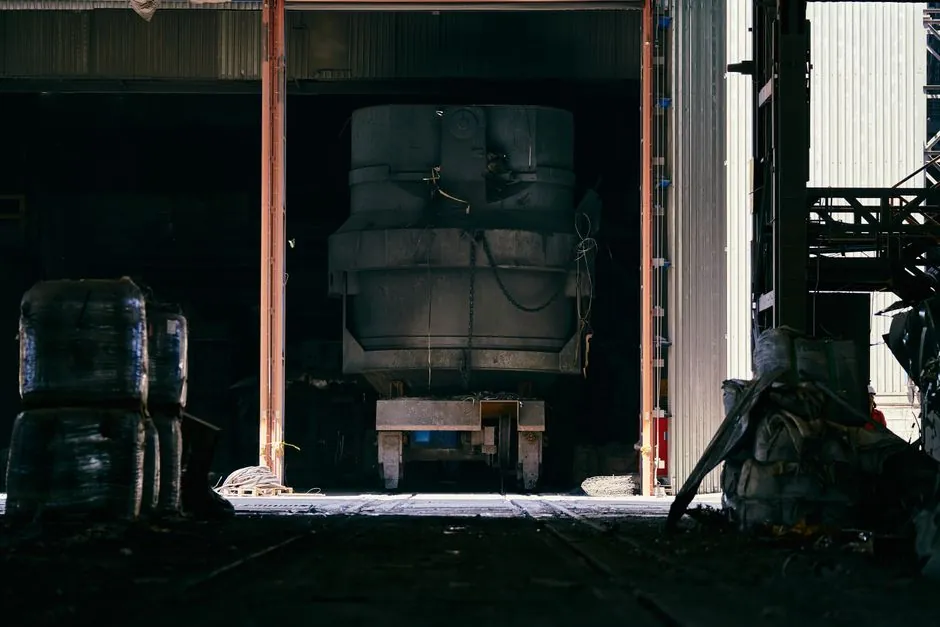
Mining equipment build cost in 2026 is dominated by raw steel plate, hydraulic systems, diesel powertrains, and Tier 4 Final / Stage V emissions aftertreatment, with certification and field-instrumentation scope layered on top of base machine cost.
The buyer landscape spans OEM majors supplying full mining dump truck and loader lines, mid-tier Chinese OEMs exporting trommel and wash-plant skids, and North American fab shops building oilfield and process vessels under ASME Section VIII / DOT codes. Each tier reads the same bill of materials through a different cost lens.
Cost Driver Stack on a Mobile Mining Machine
Structural steel plate, cast wear components, and rolled sections typically absorb 45-60% of a mobile mining asset's manufactured cost, with powertrain and hydraulics adding another 20-30% above the bare chassis [S1]. For reference, OEM lines like Sandvik's surface and underground equipment catalogue cover drills, loaders, and trucks built on this same chassis-and-powertrain logic [S1]. On a 100-ton-class haul truck the diesel engine, alternator, and final-drive assembly alone routinely outprice the operator cab and ground-engagement tooling combined, because Tier 4 Final aftertreatment (DPF + SCR + DEF dosing) on a 1.5-2.7 MW prime mover adds six-figure USD content before electronics are counted.
Electronics and instrumentation sit lower on the percentage stack, typically 5-10% of build cost, but they move the spec heavily because Tier 4 controls, machine-health telematics, and ISO 21815 collision-avoidance fitments all live in the wiring harness. Buyers evaluating line items should separate mechanical content (steel, forgings, castings) from electrical content (ECUs, sensors, harnessing), because the two are sourced through different supply chains and respond to different lead-time shocks.
Where Surface and Underground Equipment Diverge on Cost
Underground equipment carries a 15-30% cost premium over equivalent-capacity surface gear, driven by flameproof enclosures (IEC 60079-0 / IEC 60079-1 for Group I M1/M2 atmospheres), diesel particulate filters sized for confined-space ventilation, and reinforced ROPS/FOPS structures meeting ISO 12117 and ISO 3449 [S1]. The premium pays for msha-rated / ATEX Group I certification paths and shorter wheelbases engineered for low-seam headings, neither of which transfers cleanly from open-pit designs.
Surface equipment, by contrast, is volume-leveraged: rubber-tyred haul trucks, hydraulic shovels, and blasthole drills use the same diesel engine families as construction machinery, so powertrain sourcing is fungible and unit cost drops sharply above 10-unit fleet buys. Underground machines rarely hit that scale at a single mine, so per-unit overhead is amortised over fewer frames and the certification amortisation cost stays higher per machine.
Chinese OEM Skid-Mounted Plants: Cost Structure at the Small-Mining End
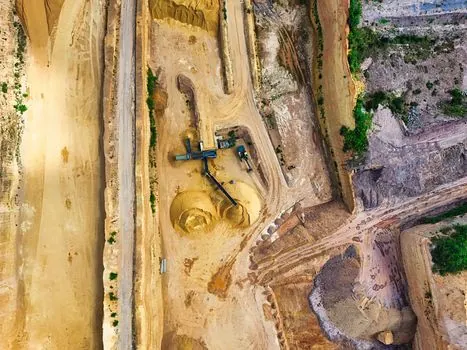
For placer and alluvial operations, skid-mounted gold wash plants from Chinese OEM channels list a different cost profile: a 200-t/h gold trommel with chain-drive and 6-20 mm customisable screen sits in a different cost band again because there is no emissions-regulated powertrain, no ROPS cab, and the frame is shipping-container-footprint structural steel [S2]. Downunder (Shandong) Mining Technology, based at No.777 Qingling Road, Qingzhou City, ships these as Diamond Member-supplier builds with OEM/ODM service, audited-supplier status, and ≤1.65 h average response time, illustrating the procurement friction model on Alibaba-channel builds [S2].
The cost driver hierarchy is inverted at this end: welding labour and marine-grade plate dominate, while the engine is a stock genset or motor of well under 100 kW, and electronics are limited to a VFD panel and level switches. Buyers paying for these units should weight freight (40HQ container fill, CIF vs FOB terms) heavily, because ocean freight can swing 8-15% of landed cost depending on the 2026 charter rate. For a cost-driver breakdown of major capital equipment, see flame detector price 2026 cost drivers and buying map for how certification tier moves unit price across a related instrumentation category.
Oilfield and Process-Vessel Adjacency: the Fab-Shop Cost Model
North American fab shops building oilfield and process equipment use a different cost stack: pressure-vessel plate to ASME Section VIII, NACE MR0175 sour-service trim, and ASME B31.3 / B31.4 piping dominate material cost, while labour runs at NA prevailing-wage rates with welder qualification overhead. American Equipment Manufacturing in Farmington, NM, runs a 16-acre production facility turning out tanks, separators, and tank heaters under this model, with a sponsor footprint aimed at oil-and-gas buyers rather than miners directly [S3].
For mine-side process skids (leach tanks, thickener shells, conveyor pulleys, and lube skids), the same fab-shop cost logic applies: plate certification, weld-procedure qualification, and hydrotest capacity are the gating line items. Buyers comparing quotes should request ASME U2/U3 stamp documentation and NACE compliance letters up front; retrofitting certification on a finished vessel is materially more expensive than buying it in at RFQ stage. For spec-stage guidance on the process-control layer that wraps these skids, see Mining Equipment Process Control and Instrumentation 2026 Spec Map.
Lead Time, Certification Tier, and Total Cost of Ownership

Total cost of ownership on mining equipment extends well past the purchase order: 2026 lead times for OEM major lines run 9-15 months on drills and haul trucks, with certification tier (M1 vs M2 Group I, or Tier 4 Final vs Stage V) adding 8-16 weeks on the critical path. Energy and consumables typically run 1.5-2.5x maintenance spend over a 10-year life, dominated by ground-engagement tooling (GET) and tyre/wear-plate replacement, which is why a chassis 5% cheaper at PO can cost more than the OEM unit at end of year five. [S2]
On instrumentation scope, buyers building a 2026 capex line should treat pressure transmitter selection, lubrication skids, and NDT equipment throughput as separate line items with their own cost-driver logic, not folded into the chassis quote. A full mining equipment procurement plan in 2026 starts with application class (surface vs underground, hard rock vs alluvial), confirms emissions and explosion-protection tier, then prices chassis + powertrain + hydraulics as the first 70% of cost before turning to electronics and instrumentation. For a cross-reference spec map covering the broader 2026 equipment landscape, see Mining Equipment Manufacturing: 2026 Spec Map for Buyers and Engineers.