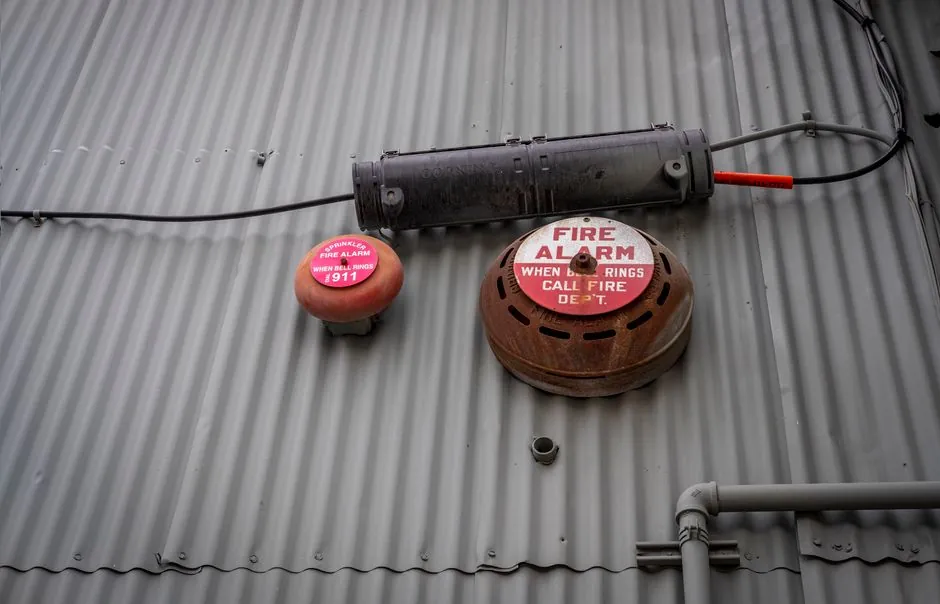
Mining operations face kilometer-scale fence lines, remote siting, and high-value targets (heavy equipment, copper wiring, diesel, explosives storage), so a single sensor type will not cover the threat surface. Modern stacks layer electric fencing, fence-mounted sensors, PIR/radar fusion, and AI-validated video, and selection is driven by perimeter length, available grid or solar power, and tolerable false-alarm rate [S1][S3][S4].
For a 2026 spec-first build, treat the perimeter alarm as a system of four sub-decisions: (1) physical barrier and deterrent layer, (2) detection sensor mix, (3) power and communications architecture, and (4) central monitoring or integration platform. Each sub-decision is constrained by site geography, voltage availability, and the operator's response model.
Physical Barrier and Electric-Fence Layer
Electric-fence systems such as AMAROK's Electric Guard Dog fence double as physical barrier, psychological deterrent, and alarm trigger, and AMAROK states the fence alone prevents 99% of external theft after installation across quarry deployments [S4]. A 7-strand high-tensile electric fence typically costs USD 5–15 per linear foot installed in North American mining sites, with energizer ratings of 5–15 kV pulse output and 1–5 Joule stored energy depending on fence length and zone segmentation.
For hard-rock and coal operations, fence height should clear 2.4 m with outriggers at 45 degrees to defeat climb-over attempts, and the alarm loop should be segmented every 200–500 m so a single breach does not blind the entire perimeter. Where blast vibration is routine, specify shock-resistant energizers and slack-cable tensioners; a standard agricultural energizer will fatigue within months under regular blasting overpressure.
Detection Sensor Mix: Fence, PIR, Radar, and Fiber
Detection-layer choice is where mining sites diverge from chemical or construction perimeters, because dust, temperature swing, and wildlife density degrade optical and PIR-only systems. Senstar's MultiSensor cameras fuse radar, PIR, accelerometers, and video analytics in one housing to suppress false alarms in rugged, dusty conditions, and feed data to the Senstar Symphony Common Operating Platform for unified situational awareness [S3].
For long, straight fence runs, fiber-optic fence-mounted sensors detect cut and climb attempts at ranges of 5–20 km per processor, with reported nuisance-alarm rates below 1 per km per day when properly tuned. For active haul-road and bench faces where fences relocate, ground-based radar paired with PTZ thermal cameras covers 200–400 m arcs and tolerates dust better than visible-light analytics, but consumes 30–60 W per node and requires solar or generator backup. A 4-way comparison for typical open-pit conditions:
• Electric fence + fence sensor: best for static perimeter, lowest cost per meter, integrates with alarm panel, but vulnerable to relocation. • Radar + thermal PTZ: best for active benches and haul roads, 200–400 m range, higher power draw. • Fiber-optic fence sensor: best for 5–20 km linear assets, immune to EMI, single-cable architecture. • MultiSensor camera (radar/PIR/analytics): best for high-risk segments needing video verification, premium cost per node.
Power, Communications, and Wireless Architecture
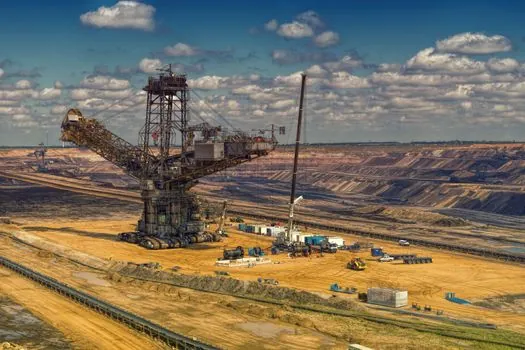
Most mining perimeters are off-grid or on intermittent generator power, so solar-powered wireless intrusion detection with real-time video verification is a common 2026 baseline, and battery-only wireless systems are also deployed where trenching is impractical [S2]. A typical solar-powered wireless camera node draws 15–30 W average with night IR, requires a 100–200 W panel and 50–100 Ah lithium battery bank sized for 3–5 days autonomy at the site's worst solar month.
Communications options include licensed UHF (450–470 MHz) for long-range telemetry across 5–10 km mine footprints, cellular LTE/5G where coverage exists, and private LoRa or mesh radios for sensor-only data. For cyanide or explosive storage areas, specify redundant paths; a single LTE link failure should not silence the alarm panel. Refer to the perimeter alarm control panel architecture for integration with site-wide fire and evacuation systems, since mining codes typically require unified alarm management.
AI, Video Analytics, and False-Alarm Control
AI-powered analytics now distinguish wildlife from human intrusion and reduce false alarms in remote, low-traffic mine sections where wind, dust, and small animals would otherwise saturate the alarm queue [S2]. When paired with verified video or still frames, an operator can confirm a real breach in under 30 seconds, versus several minutes of patrol dispatch under the old fence-only model.
For 2026 procurement, specify an analytics engine that supports on-edge inference (so the device keeps classifying when backhaul is down), with a published nuisance-alarm rate of less than 1 per day per camera under stated environmental conditions. Vendors that require cloud-only inference are a poor fit for mining's connectivity reality, particularly for haul-road and pit-wall segments where LTE coverage is patchy. See how the same AI-verified stack is applied in perimeter alarm system selection for chemical plants for comparison on explosion-proof housing requirements.
Integration with Access Control and Site Platforms
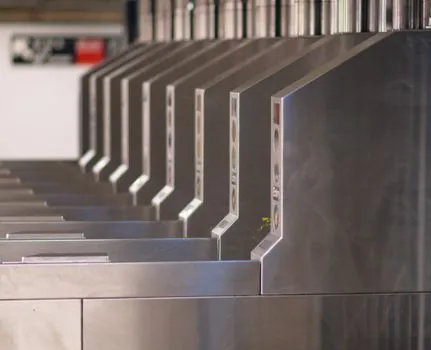
Modern mining security platforms integrate perimeter protection with access control, biometric entry, CCTV, and emergency response into a single management layer, which is the direction Gallagher and other platform vendors have taken for surface and underground operations [S1]. For a greenfield 2026 spec, require the perimeter alarm system to expose events via standard protocols (REST API, ONVIF, or MODBUS) to the site's fleet management and SCADA systems, so a perimeter breach can trigger automatic equipment shutdown or pit-area evacuation.
Biometric entry should be specified at the main access gate, with turnstiles and mantraps for personnel, and ANPR (automatic number plate recognition) cameras at vehicle entries. Perimeter alarm zones should be geo-fenced in the platform so the correct camera cluster auto-presents to the operator upon an alarm, cutting response time from minutes to seconds.
Selection Criteria: Who Needs What
For a small quarry under 2 km perimeter with grid power and 24/7 guard force, an electric fence with hardwired zone sensors and basic DVR integration is the cost-effective baseline, with total installed cost typically USD 30–60 per linear meter. For a large open-pit mine exceeding 10 km of moving perimeter, the optimal stack is a layered electric fence on the static boundary, radar/thermal PTZ on active benches, solar wireless MultiSensor cameras at remote segments, and a unified platform for event correlation [S3][S4].
Operators without an in-house SOC should prioritize vendors offering 24/7 professional monitoring as part of the contract, because the alarm system is only as good as the response behind it. Underground mines face additional constraints (limited GPS, flooded galleries, explosive atmospheres) and should consult dedicated underground mine security guidance rather than applying the open-pit spec directly.
Failure Modes and Sourcing Checklist
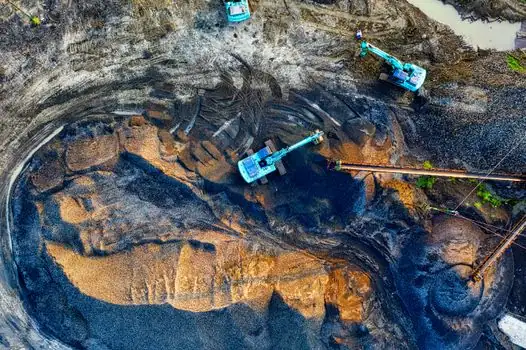
Common 2026 failure modes in mining perimeter alarms include dust-fouled camera windows (specify automatic wipers or hydrophobic coatings), rodent damage to cabling (specify armored or fiber), solar panel theft (specify anti-theft mounting and low-value appearance), and wildlife-triggered false alarms that desensitize operators (specify AI-trained classifiers on local fauna). Lightning is a major killer of fence energizers and PTZ cameras; specify surge arrestors rated for 20–40 kA on all outdoor nodes and a proper earth grid. [S3]
For sourcing, prefer vendors with documented mining-sector references, on-site commissioning support, and a spare-parts depot within the same region; the cheapest panel rarely survives the first blasting season. Cross-check your spec against related decision maps such as the perimeter alarm spec map for welding and cutting yards for fire-load proximity considerations, and the shaft coupling selection for mining guide if downstream mechanical equipment protection is also in scope.
Trackable signals to watch: vendor migration of MultiSensor and AI-analytics nodes toward edge inference for LTE-poor sites, and the publication of revised MSHA guidance on electric-fence installations near blasting zones. Both will reshape 2026–2027 spec baselines for new pit builds.
Spec-level background on the components involved: perimeter alarm, and mining dump truck.