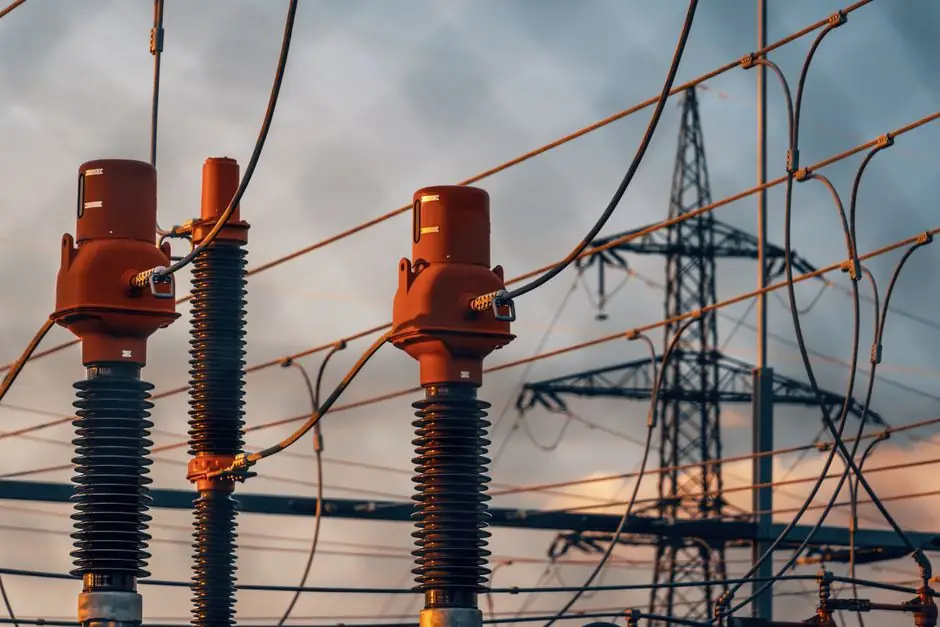
Natural ester transformer fluid offers a 360°C fire point versus 160°C for mineral oil, but higher viscosity, colder pour points and equipment-specific qualification make it a project-specific choice [S2][S3].
This comparison covers availability, fire performance, environmental exposure, thermal capability, maintenance and retrofit constraints for power and distribution transformers, with product data centered on FR3 natural ester fluid [S1][S2].
Decision criteria for transformer insulating fluids
Natural ester is the stronger choice where transformer fire risk, spill sensitivity or environmental permitting outweighs the familiarity and lower viscosity of mineral oil [S2][S3]. Mineral oil is the stronger choice for routine fleet standardization, established service procedures and locations without a compelling fire or environmental constraint [S3][S5].
The liquid must be selected with the transformer manufacturer because the oil, cellulose insulation, pressboard, seals, tank, cooling equipment and protection operate as one engineered system. A transformer type-tested with mineral oil cannot be assumed suitable for natural ester without manufacturer review [S3]. Fluid substitution therefore affects procurement, commissioning, testing, maintenance reference values and spare-fluid strategy rather than only tank filling [S3].
Natural ester and mineral oil compared on four criteria
FR3 natural ester provides the strongest fire and environmental outcome, while mineral oil provides the lowest-viscosity, lowest-pour-point and most standardized procurement path [S2][S5].
These are typical product-comparison values for FR3, not a universal specification for every natural ester or mineral-oil grade [S2]. The fluid named on the transformer nameplate and the manufacturer’s certified data take precedence over generic category data [S2][S3].
Fire performance, environmental exposure and containment

FR3 raises the listed fire point by 200°C relative to mineral oil, 360°C versus 160°C, while its flash point is 330°C versus 140°C [S2]. Synthetic ester and silicone fluids provide listed fire points above 315°C and 343°C, respectively, which places FR3 within the high-fire-point options rather than alone in that category [S2].
These classifications address fluid hazards, not the complete transformer installation, so bunding, drainage protection, spill response and local permits remain necessary [S2][S3].
For indoor, underground, waterside or densely populated sites, the higher fire point can materially affect the project risk assessment, yet no transformer should be described as spill-proof or risk-free because of its insulating liquid [S3].
Viscosity, climate and transformer thermal design
This makes natural ester less prone to flow freely through an existing cooling circuit and requires confirmation of pump duty, radiator performance and control settings [S2][S3].
Moisture, aging and maintenance consequences

These are secondary-source figures rather than a universal acceptance limit, so the specified fluid’s certificate and OEM limits must govern sampling, drying and acceptance criteria [S4][S9].
Accelerated aging tests compared mineral oil, synthetic ester and rapeseed natural ester at 100°C and 125°C for 168, 504 and 840 hours, and the results showed that natural ester oil, especially canola oil, had better insulation performance than mineral oil and synthetic ester oil [S1].
Moisture tolerance is not permission to omit moisture control. Natural ester remains affected by water ingress, and its moisture uptake means that dielectric measurements, interfacial voltage, power factor, acidity and sludge conditions require product-specific limits rather than direct transfer of mineral-oil thresholds [S3][S4].
Availability, retrofit and procurement qualification
Mineral oil retains the broadest supply availability and the deepest installed-service base, which matters when a project requires common test thresholds, familiar crews and multiple spare units [S3][S5]. Natural ester remains a qualified alternative, but availability must be confirmed by region, fluid grade, volume, packaging and compatibility with the specific transformer design rather than inferred from a general market statement [S3].
Retrofit is technically constrained by the complete transformer system, not only by the dielectric properties of ester. The fluid decision belongs in the original equipment specification or an engineered conversion with the manufacturer, including review of seals, cellulose materials, bushings, gaskets, switchgear, pumps, cooling components, dissolved-gas-analysis baselines and fire-protection arrangements [S3].
A transformer built and type-tested for one fluid should not be assumed suitable for another without manufacturer approval [S3]. For procurement, ask suppliers to state the named fluid and supplier, certificate values, delivery lead time and minimum order quantity, compatible seal and cellulose materials, handling and sampling requirements, storage limits, test methods, acceptance limits and the warranty position. The mobile substation and transformer availability guide is useful for the broader distinction between equipment availability and lifecycle support, but it does not replace fluid-specific qualification.
Application selection and project recommendation
Specify natural ester for indoor or environmentally sensitive installations, projects with demanding fire-safety objectives, and applications where biodegradable release behavior has measurable value [S3][S5]. Prefer mineral oil for conventional outdoor substations with proven fleet procedures, low-temperature flow requirements, standard maintenance thresholds and no material advantage from ester properties [S3][S5].
Do not use FR3, synthetic ester and silicone oil interchangeably in procurement because their viscosity, pour point, thermal basis and system qualification differ [S2]. FR3 is suitable where a biobased, high-fire-point natural ester with a −21°C pour point fits the design; synthetic ester is a stronger option for colder environments requiring a pour point below −48°C; silicone oil is mostly associated with applications up to 66 kV in the cited comparison [S2].
For a 2026 procurement decision, obtain project-specific supplier availability in writing, require the transformer manufacturer to approve the fluid, and compare alternatives on delivered availability, thermal design changes, fire mitigation, environmental permit, service training and lifetime maintenance rather than fluid purchase price alone [S3]. The main procurement signal to track is not market publicity but whether the OEM has certified the exact transformer serial design for the exact ester grade and can guarantee the required fluid quantity and lifecycle support.