
OEM (Original Equipment Manufacturer) and ODM (Original Design Manufacturer) represent two structurally different supply models for natural gas appliances, and the choice between them determines who owns the IP, who pays for tooling, and how fast a SKU reaches shelf [S1][S2].
In a gas-stove or butane-torch context, OEM means the brand supplies the design and specifications and the factory manufactures to them; ODM means the factory already owns a tested design and the brand customizes color, branding, and packaging on top [S1][S5]. For distributors and importers scaling across gas hobs, butane torches, and induction-cooktop-adjacent gas appliances, this distinction now drives sourcing strategy more than unit price [S2][S3].
Defining the Two Models for Gas Appliance Production
OEM gas-stove manufacturing requires the brand to own or license the product design, with the factory acting as a build-to-print partner that handles burner assembly, panel installation, ignition system testing, and final inspection [S2]. The OEM brand carries development, prototyping, certification, and IP risk, while the factory absorbs production risk only; this is the standard structure for brands targeting long-term category leadership [S5].
ODM gas-appliance manufacturing flips ownership: the factory develops the base design internally, holds the base molds, and licenses the result to brands who customize surface features such as color, logo, and packaging [S1][S5]. ODM reduces development risk but caps full design ownership, and the technical modification window is typically limited to what the factory's existing tooling allows [S5]. Both models coexist inside the same factories, with one Indian home-appliance group operating 25+ years of manufacturing, 1M+ units per month capacity, and 19+ product categories across OEM, ODM, and private label from a single Sonipat facility [S3].
Decision Criteria: IP, Tooling, MOQ, and Lead Time
Four measurable criteria separate the models on a sourcing spec sheet, and each maps to a verifiable data point from the research. IP ownership under OEM defaults to the brand only when the manufacturing contract includes an explicit clause assigning formula or design IP with a formula code, geographic scope, and effective date; without it, the factory retains joint rights [S4]. Tooling cost under OEM is higher because injection molds, metal stamping dies, and heating-plate molds are produced per SKU, while ODM amortizes those molds across multiple brand customers [S5]. MOQ under both models is broadly similar at the unit level, but ODM standard private-label models carry lower MOQs than fully custom OEM development because no new tooling is required [S3]. Lead time for OEM design lock on a butane torch or gas hob typically runs 3–6 weeks for a replication-style brief and 8–16 weeks for original development with 3–6 revision rounds, whereas ODM production can begin within 1–2 weeks of order confirmation when stock packaging is selected [S4].
Customization depth is the fifth axis, and it cuts against ODM: a brand choosing OEM can specify burner configuration, panel material (stainless steel or tempered glass), ignition system, safety features, and full packaging branding, while ODM buyers are restricted to color, logo, and packaging changes on a fixed base design [S2][S5]. For gas appliances specifically, OEM also allows the brand to direct component sourcing for burners, valves, and ignition systems, which matters when the target market requires certified gas-tightness performance [S2].
Comparison Matrix: OEM vs ODM for Natural Gas Appliances

Built from the five decision criteria above, the comparison is direct: product ownership is brand-side under OEM and factory-side under ODM; tooling cost is higher under OEM because molds are new, lower under ODM because they are shared; customization is fully flexible under OEM and semi-flexible (color, logo, packaging) under ODM; R&D requirement is yes under OEM and minimal under ODM; differentiation potential is high under OEM and moderate under ODM; speed to launch is moderate under OEM and faster under ODM [S5]. For butane torches specifically, ODM lets a brand put a torch on shelf in weeks with the butane-torch IP staying with the factory, while OEM requires research, prototyping, and patent clearance to deliver an original design [S1]. For kitchen gas stoves, OEM is the right fit for brands that need a distinctive burner layout, panel finish, or ignition architecture, while ODM is the right fit for brands testing a new category with limited R&D headcount [S2][S5].
ODM's commercial logic is the same in both industries: factories distribute a $15,000–$40,000 development cost across multiple buyers, which is why ODM per-unit prices are often lower than equivalent OEM despite zero R&D charge to the buyer [S4].
Who Each Model Is For, and Who It Is Not For
OEM is the right model when a brand has an in-house design team, wants to own the IP outright, plans to amortize tooling over a long production run, and is targeting a specific market's safety certification regime that requires design control [S1][S5]. It is the wrong model for a brand testing a new SKU with no engineering staff, because the 8–16 week design-lock window and certification burden will outlast the test budget [S4].
ODM is the right model when a brand needs to launch inside one quarter, has limited or no R&D capability, wants to keep initial investment low, and accepts that the base mold and design are shared with other buyers [S5]. It is the wrong model for a brand whose differentiation strategy depends on a unique burner geometry, custom ignition curve, or proprietary flame-control system, none of which an ODM catalog will expose [S2]. Private label, a third mode that sits beside OEM and ODM, is the fastest path: take a factory-proven gas-stove or butane-torch model, add custom colors, packaging, and documentation, and ship under the buyer's brand with the lowest development effort [S3].
Factory Selection and Certification Filters
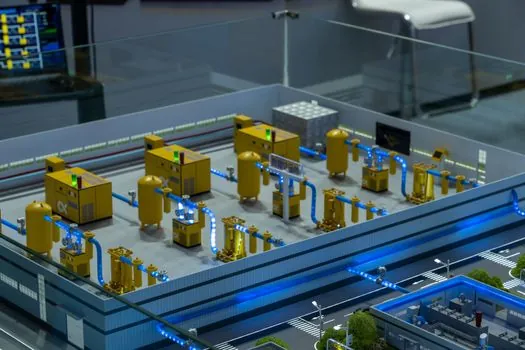
For OEM/ODM gas-stove sourcing specifically, the first filter is manufacturing experience and production capacity: factories with long industry tenure usually operate more stable production lines covering burner assembly, panel installation, ignition testing, and final inspection, and they must be able to scale output without compromising delivery times [S2]. The second filter is quality control: a professional gas cooktop supplier should run gas-tightness tests, burner performance tests for flame stability and heat efficiency, and final appearance and packaging inspection, with material verification on burners, tempered glass panels, ignition systems, and valves at incoming inspection [S2]. The third filter is export-market certification experience, because gas appliances must meet strict safety regulations in most international markets and documentation preparation plus product testing support is what prevents import delays [S2].
For Indian OEM/ODM buyers, in-house capability is the deciding variable: check tooling, moulding, assembly, and testing under one roof, years of experience, certifications, monthly capacity, and export track record, since splitting those functions across vendors adds lead time and accountability gaps [S3]. Standard models with branding-only changes move fastest through tooling, while new moulds and fully custom ODM products take longer; the factory confirms a realistic timeline once the specification is agreed [S3].
Linking the Sourcing Decision to Gas-Safety Standards
OEM is the only path that lets a brand direct the design toward a specific gas-tightness standard or regional certification, because the IP and design responsibility sit with the brand, and the factory is bound to manufacture to that spec [S1][S2]. ODM buyers inherit whatever certification posture the factory's base design already holds, and modifying the design to chase a new standard is usually outside the ODM scope [S5].
For natural gas operators and appliance brands operating under spec-driven procurement, the same logic that drives gas detection and gas detector selection on the end-user side applies upstream: spec the requirement, then source to it. Buyers who want tighter control over combustion analysis instrumentation built into a gas hob or range should plan an OEM engagement; buyers who just need a working, certified burner system on a known platform should default to ODM. Trackable signals to watch over the next two quarters include Indian factory capacity expansions in Sonipat and the wider NCR corridor [S3], tighter CE and BIS documentation support from Chinese-export-oriented gas-stove OEMs [S2], and the gradual spread of ODM-style private-label SKUs into European butane-torch retail channels [S1].
For the relevant spec sheets and selection criteria, see additive manufacturing material.
See also our earlier report, Construction Site Safety Fence Selection: Specs, Heights, and Steel Gauges.