
A pick tunnel is a ground-level stock-to-picker aisle framed by pallet rack uprights, with reserve storage built directly above the picking face, normally on Pallet Flow (FIFO) or Push Back (LIFO) rails [S1][S2].
Single-level picking with overhead reserve is the defining layout: pickers work only inside the tunnel, while lift trucks replenish from the ends of the upper lanes, which means the structure must support both the live-load picking traffic below and the dead-load pallet mass above, and the picking aisle is typically 6 to 12 ft wide depending on pallet size and reach pattern [S1].
How a Pick Tunnel Differs From a Pick Module
A pick module stacks 2 or more picking levels vertically with catwalks, while a pick tunnel is restricted to a single picking level with reserve positioned overhead rather than in mezzanine tiers [S1].
The single-level design removes the structural and code burden of multi-level mezzanines, simplifies sprinkler zoning, and keeps the picker on one continuous floor, which is the reason facilities with high SKU counts but moderate pick rates prefer the tunnel footprint over a vertical pick module [S1]. Travel-time reduction of up to 50% versus conventional wide-aisle picking is the figure Frazier cites for the stock-to-picker layout that both designs share [S1].
Overhead Reserve: Pallet Flow vs Push Back vs Case Flow
Three Frazzier product lines are explicitly named as compatible overhead reserve carriers above a pick tunnel: Pallet Flow (FIFO), Glide-In Push Back (LIFO), and SelecDeck Case Flow, each picked at the ends by the lift truck driving into the picking lines [S1].
Selection hinges on SKU velocity and date-code control. Pallet Flow lanes use inclined skate or roller tracks for gravity-driven forward indexing, which suits high-velocity SKUs where first-in first-out date rotation matters, for example chilled grocery, pharmaceutical lots, or dated retail goods [S2]. Glide-In Push Back uses nested carts on a slight rearward incline so the last pallet loaded is the first retrieved, which suits buffer stock and slower movers where slot density matters more than rotation [S1][S2]. SelecDeck Case Flow is sized for cartons rather than pallets and is the right call when the reserve is split-case or each-pick, not full-pallet [S1]. The storage rack supporting these loads is typically the same selective-pallet-rack frame family as the tunnel walls, with column load ratings dialed up to handle the stacked-reserve mass on the upper beams.
Structural and Operational Specs That Drive Selection
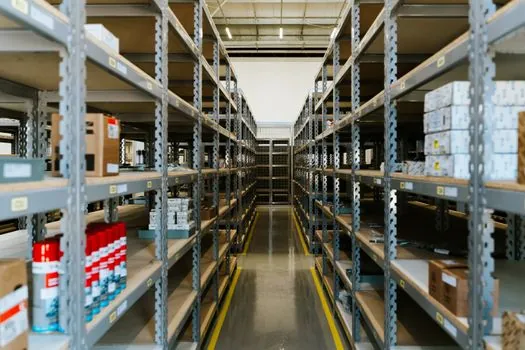
Three numbers actually decide whether a pick tunnel fits a building: clear picking-aisle width, vertical clear height between the pick floor and the underside of the reserve beams, and the bay depth that the upper reserve can swallow without forcing lift-truck reach past the rack face [S1].
Frazier publishes its Pick Tunnels as a custom-engineered storage solution rather than a catalogue SKU, which is consistent with the way bay depth, beam elevation, and column capacity are sized to the customer's pallet, lift-truck reach, and seismic zone [S1]. The reserve carriers themselves are the same Pallet Flow, Glide-In Push Back, and SelecDeck Case Flow units that Frazier sells as standalone products, so a buyer can match the tunnel's overhead to a velocity profile that is already understood inside their distribution centre [S1]. End-loading of the reserve lanes means the lift-truck approach aisle and the picking aisle are decoupled, which is a layout win on tight footprints and is a key reason pick tunnels appear frequently in 3PL and e-commerce reserve design [S2].
Project Context: Tunnelling, Mining, and Heavy Civil Storage
The term "tunnel rack" in heavy civil usually means something very different: a sled-mounted aluminium rack for snowmobile cargo, and a buyer should not confuse that product family with a warehouse pick tunnel [S3].
KYBER's Tunnel Storage Rack is a 15.25 in inside-wing aluminium-alloy bracket with stainless hardware, pre-drilled for popular lock-box patterns, and validated for cases including Nanuk 910, 915, 920 and Pelican 1450 [S3]. It is a recreational powersports SKU, not industrial storage, and it has no overlap with Frazier's pick-tunnel structural framing [S1][S3]. For projects tied to actual underground tunnelling work, the relevant storage decision is on the surface: site laydown yards and rebar cages are typically organised with heavy-duty cantilever or drive-in rack, while a storage cage handles small-tools and consumables, neither of which is what the term "tunnel rack" refers to in the pick-tunnel literature [S1].
Who a Pick Tunnel Is, and Is Not, For
Pick tunnels are built for single-level picking operations where reserves are required, slow movers and off-season stock need a high-density home, and the SKU mix has a clear split between fast-pick face goods and slower-moving back-stock [S1].
They are not the right call for facilities that need multi-level picking with catwalks and conveyors, where a true pick module is the correct baseline [S1]. They are also weak fits for buildings with very low clear heights (typically below 24 ft) where the overhead reserve layer cannot be developed without crushing the picking floor. For typical 28 to 40 ft clear retail and 3PL distribution buildings, the tunnel-plus-overhead-reserve layout is one of the most cubic-efficient ways to capture slow-mover density without giving up pick-face accessibility [S1][S2].
2026 Sourcing Map and Standards Hooks
In North America, pallet-rack products used in pick tunnels fall under the Rack Manufacturers Institute (RMI) MH 16.1 specification for the design, testing, and utilization of industrial storage racks, and seismic zone design is governed by the IBC family of building codes, with RMI MH 16.3 or AISC 341 referenced for seismic design where the local jurisdiction adopts it [S1].
Frazier publishes Pick Tunnels as part of its Standard Product Solutions line, with Pallion (Frazier's Mexico operations) and a Canadian footprint on the manufacturing side, and dealers integrate the pick tunnel into larger turnkey warehouse builds that often pair the racking with storage handling equipment on the same project [S1]. The 2022 Interlake Mecalux guidance on pick tunnels as integrated lower-level components of Pallet Flow and Push Back systems remains a current reference for European-spec projects, and confirms that LIFO versus FIFO is selected at the reserve layer, not at the picking face [S2]. For a buyer sizing a new project, three verifiable signals to track next are the bay depth, beam elevation, and column load rating on the issued-for-permit drawings, and the single product cut sheet that ties the Pallet Flow or Push Back reserve to the same supplier's pick-tunnel framing [S1][S2].
This topic is covered further in Shield Machine Pros, Cons, and Selection Criteria for 2026 Projects.