
HDPE and PP plastic pallets, weighing roughly 22 kg against about 40 kg for a comparable wooden unit, are now the default export platform for chemical shippers because they bypass ISPM-15 heat treatment, resist weak acids and alkalis, and survive up to 250 trips or about 10 years in closed-loop service [S2][S4].
Procurement teams handling acids, solvents, oxidizers, and surfactants should treat chemical compatibility as a separate engineering decision from load capacity, because a pallet strong enough for warehouse racking can still fail after a single solvent splash or repeated quat disinfectant washdown [S3]. The two requirements that drive most rejections are resin-grade compatibility with the actual contact chemical, and structural design for spill containment in drum and IBC storage.
Why Plastic Replaces Wood on Chemical Export Pallets
ISPM-15 governs solid wood packaging thicker than 6 mm, requiring heat treatment to a wood core temperature of at least 56°C for 30 minutes, or methyl bromide fumigation, plus a visible compliance stamp on every pallet [S5]. Plastic pallets are exempt from this rule because the material is non-organic and cannot harbor the wood-borne pests the standard targets, which removes stamp-failure risk, fumigation scheduling, and the cargo-refusal exposure that a missing mark creates at port [S1][S5].
For a chemical exporter moving drums or IBCs through EU and US lanes, that exemption converts into a measurable landed-cost reduction: the European Pallet Association data cited by industry sources shows plastic can be up to 30% lighter than equivalent wooden platforms, which directly lowers air-freight and road-freight tare costs on every load [S1]. The lift in usable payload also reduces the number of pallets per tonne of product, a small multiplier that compounds across a year of drum or bag shipments.
HDPE vs PP vs Composite: Resin Choice Against the Actual Chemical
HDPE and PP are the two workhorse resins for chemical-service pallets, and the choice between them is driven by the specific contact chemical rather than by load rating alone [S2]. Buyers who approve a pallet on a generic "suitable for chemicals" line item are accepting a known specification gap, because the same chemical at 20% concentration and 40°C can behave very differently in HDPE than in PP, and recycled-content pallets add another variable on top of the base resin [S3].
Resin selection against the most common chemical exposures in drum and bag shipping lines can be framed as a four-criteria comparison:
HDPE: best general choice for dilute acids, alkalis, and aqueous surfactant cleaners; lower density; good low-temperature toughness; limited resistance to strong solvents and oxidizing acids [S2][S3]. PP: better resistance to many organic solvents and to higher service temperatures, which matters where hot-product drum fill lines or heated washdown are routine; higher density than HDPE; more prone to oxidative attack from strong oxidizers [S3]. Glass-filled or mineral-filled PP composites: higher stiffness for heavy-duty racking loads, but fillers can change chemical resistance versus neat PP, so the filled grade needs its own compatibility record [S3]. PVC and other specialty resins: niche use where flame or static requirements dominate, rarely the lowest-cost chemical-service choice [S2].
The decisive variable buyers miss most often is contact mode. A pallet that survives a brief splash of a solvent can still retain odor, swell, or stress-crack at the fork-entry boss after weeks of the same solvent evaporating inside the deck cavity [S3]. A short immersion test in the lab does not match that field condition, which is why buyers should ask suppliers to name the resin grade, the recycled-content percentage, the colorant system, and the molding process before accepting a chemical-compatibility claim [S3].
Defining the Exposure Route Before You Pick a Part Number
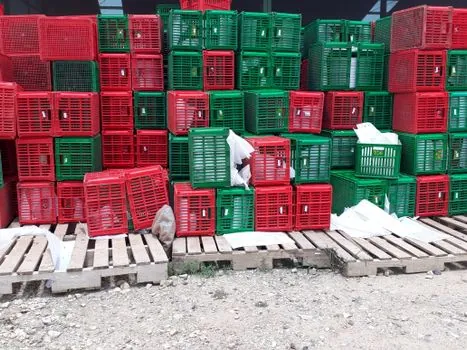
Five distinct exposure routes control pallet life in a chemical plant or 3PL, and each one needs its own specification line, because a single "chemical-resistant" approval cannot cover all five [S3]. Routine cleaning covers detergent and sanitizer chemistry, water temperature, rinse quality, and drying time, and is the route that destroys most pallets that were never tested against quat, bleach, or peracetic acid wash programs. Product residue covers oils, pigments, additives, and process chemicals that wet the deck in normal operation, and a pallet that handles sealed cartons usually fails this requirement on the same line. Accidental leak covers the liquid type, expected volume, and the time the pallet is likely to sit before the spill is noticed, which sets the sump capacity on a containment pallet. Drum and IBC storage covers point load at the chine, the need for a flat top deck versus stringer support, and the drip risk onto the pallet below. External return handling covers dirty pallets coming back with unknown residue, which is where the quarantine and wash cycle has to be specified, not assumed [S3].
For drum and IBC lines, the practical separation is between chemical resistance of the deck material and spill-containment geometry of the pallet: a containment pallet can capture a leak but still have the wrong resin, and a chemical-resistant pallet can still allow spilled solvent to reach the floor because it has no sump [S3]. Specifying both as separate line items, and then tying them to the EHS-approved chemical inventory, is the only way to keep this decision auditable.
Structural Specs: Load, Temperature, Racking, and Automation
Static load ratings for HDPE and PP export pallets commonly reach about 4,000-6,000 kg in the static case, with dynamic fork-lift ratings closer to 1,000-1,500 kg, and racking ratings that depend heavily on the pallet design rather than the resin [S6][S8]. Rackable pallets with reinforcement ribs or metal sleeves handle selective and push-back racking; nestable export pallets are cheaper per unit but only carry block-stacked loads, which is fine for sealed chemical cartons in a one-way export lane [S6].
For automated warehouses and ASRS systems, the spec that matters most is dimensional tolerance under load, and injection-molded plastic outperforms nailed wood on this metric because each unit repeats the molded geometry within a tight band [S2]. Wood pallets vary in deck-board thickness, fastener position, and moisture content, which forces vision systems to widen their pick-window and slows cycle time; this is the automation penalty that most plastic-conversion ROI studies cite [S4]. A four-way fork entry is also standard on injection-molded plastic, against the two-way entry common on stringer wood, which removes a frequent manual-handling constraint in narrow-aisle chemical warehouses [S4].
Temperature windows in chemical plants are another hard constraint. PP grades typically extend the upper service ceiling versus HDPE, which is why hot-fill lines, steam-cleaned lines, and lines near reactors often default to PP. Cold-store chemical warehouses below freezing generally favor HDPE for toughness. Operating a plastic pallet outside its qualified temperature band, even for a short period, can produce brittle failure on impact and is one of the most common root causes in pallet-fracture investigations.
Compatibility Testing: From Lab Coupon to Production Lot

The minimum spec for a chemical-service pallet purchase is a documented compatibility statement that names the resin grade, the chemicals, the concentrations, the temperature range, the contact time, the cleaning method, and the expected handling route, with limitations recorded in writing [S3]. Buyers should reject any approval that only states "suitable for chemicals" because the phrase is too broad to defend in an EHS audit, and it does not give the supplier enough information to recommend the right resin [S3].
For new chemical introductions or new wash programs, the next step beyond the supplier statement is a sample test on the actual production lot, not just the catalog resin. A 30-day coupon test at the planned concentration and temperature, followed by visual inspection for surface tack, color shift, swelling, and cracking at stress points such as the fork-entry boss, will catch most field failures before they hit the loading dock [S3]. Retention samples of the production-lot resin should be filed with the lot number and supplier batch, so any future failure investigation can be traced back to the same material that was tested.
Who Should and Should Not Standardize on Plastic
Plastic pallets are the right default for chemical exporters shipping into the EU, North America, and the main Asia-Pacific lanes, for 3PLs running mixed-customer pools that include food, pharma, and chemical accounts, and for any operation that has a written washdown program for returnable packaging [S1][S2][S4]. The ISPM-15 exemption alone justifies the switch for any one-way export lane, and the longer service life, up to 10 years or 250 trips versus 3-5 years for wood, makes the total-cost case even before tare-weight savings are counted [S4].
Plastic is the wrong default where the contact chemistry is outside the qualified envelope of HDPE and PP, where a one-time low-cost pallet is more important than trip cost, or where the receiving site cannot handle a non-standard pallet in its existing racking or wash system. In those cases, a disposable export pallet, an expendable corrugated pallet, or a returnable metal pallet may be the lower-risk call. The key is to make that call on a documented compatibility and logistics test, not on the purchase price of a single unit [S3].
Standards, Documentation, and Audit Trail
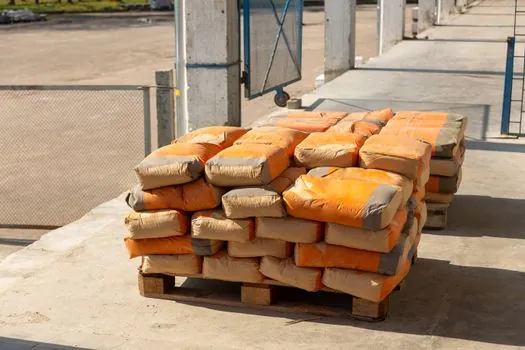
Two standards dominate the export-pallet specification: ISPM-15 for wood packaging, which plastic pallets bypass by material exemption, and the ISO pallet footprint standards that govern block dimensions for global warehouse compatibility [S1][S5]. ISPM-15 mandates heat treatment to a wood core temperature of at least 56°C for 30 minutes, or methyl bromide fumigation, plus a visible mark on every unit, and a missing or illegible mark is a documented cause of port rejection and cargo destruction at the exporter's cost [S1][S5].
For chemical shippers, the internal standards worth keeping on file are the EHS-approved chemical inventory, the pallet supplier's compatibility statement keyed to that inventory, the wash-program chemical list and temperature limits, and the lot-traceability record from the resin supplier. These four documents turn a pallet decision from a one-time purchase into a controlled change, and they are the documents an auditor or a customer will ask for after any contamination event. The chemical compatibility primer and the chemical material reference pages are useful internal anchors when the same question comes up across multiple plant sites.
The next trackable signal to watch is the resin suppliers' published compatibility statements against peracetic acid and quat-based sanitizers, which are the wash chemistries most chemical plants adopted during the past five years and the ones most likely to surface as a field failure in 2026-2027. A second signal is the emergence of recycled-content HDPE grades with documented lot-level compatibility data, which would let buyers close the sustainability case without losing the chemical-compatibility audit trail. For related selection work, see this spec-first map for plastic pallets in port logistics and this pharma distribution spec map for cleanroom-adjacent exposure routes where the wash chemistry is even more aggressive than in a chemical plant.
For component-level specifications, see plastic pallet.