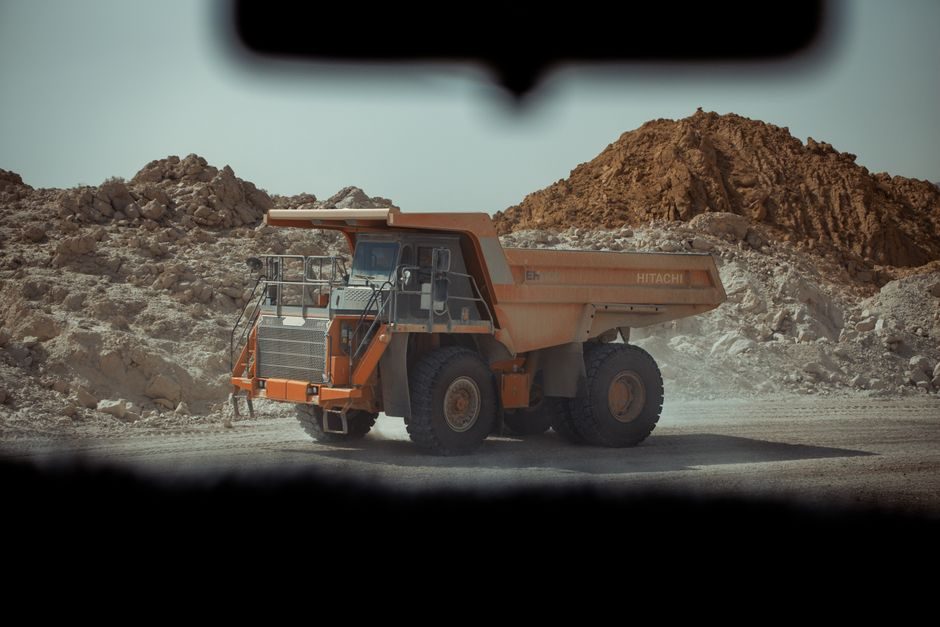
In underground coal and metal mines, a portable four-gas detector (CH4/LEL, O2, CO, H2S) is the default specification, with diffusion sampling, audible/visual alarms, and an intrinsically safe enclosure rated to at least IP65 [S1][S2]. Selection should prioritise sensor technology, ingress protection, certification footprint, and battery endurance over headline price.
Hanwei Electronics' product range illustrates the typical mining-relevant family: portable single-gas detectors for LEL/O2/H2S/CO, portable multi-gas detectors for LEL+CO+H2S+O2, and portable gas leak detectors for fast CH4 or C3H8 pinpointing [S2]. ATO.com confirms the same four-gas envelope and lists diffusion-sampling portable detectors with selectable measuring ranges — for example Cl2 portable monitors offered in 0–10 / 0–20 / 0–50 / 0–100 ppm variants, and CO testers in 0–500 / 0–1000 / 0–2000 ppm variants [S1].
Sensor Stack and Gas Targets for Mining
The mining-portable core is a four-gas sensor stack: catalytic-bead or NDIR for CH4/LEL, electrochemical cell for O2, and electrochemical cells for CO and H2S [S1][S2]. This stack addresses the two principal underground hazards — methane explosion risk (LEL) and oxygen deficiency or toxic exposure (O2, CO, H2S) — and is offered by Hanwei as its standard multi-gas configuration [S2].
For coal mines, methane is the dominant combustible risk and a CH4-specific fast-responding leak detector is commonly used for pinpointing in headings and stoppings, separate from the worker's personal four-gas monitor [S2]. Specialised single-gas portables also exist for SF6 leak detection in switchgear rooms, though these sit outside the personal-mining envelope and use halogen-leak principles rather than the catalytic/electrochemical stack [S3]. For broader coverage in metal mines or tunnelling, NO2 and SO2 channels can be added, but the four-gas baseline should not be substituted with fewer sensors.
Certification, IS Rating, and Standards Footprint
Any portable detector carried into a gassy underground mine must be certified to the mine's applicable IS scheme: MSHA-approved or IS-rated to IEC 60079-0/60079-11 for Group I (methane) atmospheres in many jurisdictions, with ATEX category M1/M2 or equivalent IECEx scheme accepted in non-US mining regions [S2]. Hanwei publishes detectors intended for coal and steel industries as a core application, which is the typical phrasing for Group I/II certified portables in Chinese OEM catalogues [S2].
Ex-markings on a mining-rated portable typically include Ex ia I Ma or Ex d ia I Mb for methane atmospheres, with the enclosure tested to IP65 or higher to resist water spray and coal-dust ingress [S1][S2]. ATO's portable family specifies diffusion sampling with visual and audible alarms, parameters consistent with the routine daily-use personal monitor rather than a pumped confined-space unit [S1]. A practical selection rule: confirm the IS certificate explicitly lists the gases the underground atmosphere contains (CH4 plus any seam gas such as H2S), not just a generic "Ex ia" label.
Ingress Protection, Battery, and Form Factor
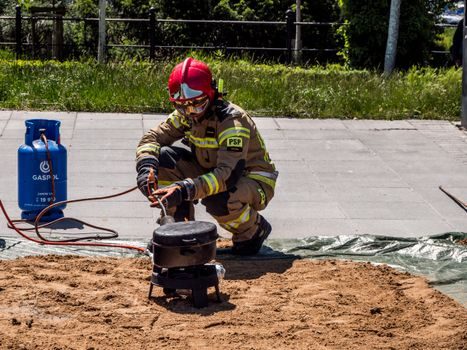
Underground mining imposes IP65 minimum (dust-tight + low-pressure water jet) on the personal monitor, with belt-clip or harness mounting and a single-hand operable form factor [S1][S2]. ATO's portable detector line advertises diffusion sampling with audible and visual alarms and a compact handheld format suited to personal wear in harsh environments [S1].
Battery endurance is a hard spec on a mining tender: a minimum 12-hour shift rating on a single charge is the practical floor, with most modern Li-ion powered units quoting 14–24 h continuous run-time on a four-gas configuration [S1]. For coal-mine rescue teams and fire-brigade use, pumped sampling with a sampling wand extends the same platform into pre-entry testing — Hanwei lists fire-brigade and confined-space applications explicitly alongside its portable family [S2]. Units should accept both rechargeable Li-ion packs and a path to AA-battery backup for sites without intrinsic-safe charging bays.
Selection Criteria: Single-Gas vs Multi-Gas vs Leak Detector
The three families are not interchangeable and the mining application dictates which one is the right primary issue [S1][S2]. A four-criterion comparison clarifies the choice for a mine safety officer:
- Sensor count: leak detector 1 (CH4 or C3H8) [S2]; single-gas portable 1 (LEL, O2, H2S or CO) [S2]; multi-gas portable 4 (LEL+CO+H2S+O2) [S1][S2].
- Typical mining use: leak detector — pinpointing in headings and around seals [S2]; single-gas — confined pre-entry checks where the dominant hazard is known [S2]; multi-gas — every-worker personal monitor on a moving production crew [S1][S2].
- Sampling: leak detectors often use pumped fast-response probes; single-gas and multi-gas portables on personal monitors use diffusion at the breathing zone [S1][S2].
- Cost/role: leak detectors are specialist tools carried by gas testers; multi-gas units are the bulk-volume personal issue; single-gas units fill specific stand-alone roles (e.g. an H2S-only monitor at a pump station) [S1][S2].
For the underground coal-mining baseline, the four-gas multi-gas portable is the mandatory daily-carry; the leak detector is a supplementary tool for the gas-tester's pre-shift inspection. The same separation of roles is echoed in oil and gas upstream operations, where a four-gas personal monitor is paired with a dedicated pumped leak detector for hot-work permits — see the oil-and-gas portable selection map for the parallel upstream specification.
Calibration, Bump Test, and Lifecycle Constraints
Electrochemical CO and H2S cells on a mining portable typically carry a 24–36 month operational life before replacement, and a daily bump test with a known gas concentration is the routine pre-shift verification, not an annual calibration only [S1][S2]. Catalytic-bead LEL sensors are more robust but must be protected from silicone poisoning and from running in pure methane, which can permanently damage the pellistor.
Limitations of the diffusion four-gas portable worth specifying in writing: no pumped remote sampling into a manhole or sealed heading; sensor cross-sensitivity to other seam gases; drift of electrochemical cells at low temperature (below roughly −10 °C) which is operationally relevant for cold-climate open-pit winter work [S1][S2]. For these cases a pumped multi-gas unit, or a separate portable gas detector category with internal sample draw, is the correct next step up rather than a higher-end diffusion unit.
Who the Mining Portable Is (and Is Not) For
The four-gas diffusion portable is the right fit for: every underground coal-mine worker on a moving production panel; gas-testers running pre-shift inspections; mine rescue team members carrying a personal unit; and surface personnel working near ventilation shafts or conveyor transfer points where CH4, CO and O2 deficit are credible [S1][S2].
It is not a substitute for: a fixed gas detection system on a conveyor or at a main fan; a pumped multi-gas unit for confined-space entry into a sealed heading; a combustible gas detector with a dedicated IR or MEMS pellistor for plant-room continuous area monitoring; or a multi-gas detector used as a fixed-area monitor on a tripod. Confusing these roles — for example, deploying a personal portable as a 24/7 area monitor — leads to missed alarms and is one of the most common audit findings in mining safety reviews.
Sourcing, Pricing Bands, and What to Verify on the Datasheet
Chinese OEM portable detectors for the LEL/O2/CO/H2S envelope are widely listed in the US$150–500 single-unit range at retail, with Cl2 portables quoted around US$434 and dedicated CO testers in the US$224 band for diffusion-sampling four-gas-platform derivatives [S1]. Volume pricing on the same Hanwei platform drops significantly for fleet buyers, and the Hanwei portable family page lists dedicated single-gas, multi-gas and leak-detector SKUs for tenders that need to specify model-by-model [S2].
On the datasheet, verify before purchase: the Ex marking string (e.g. Ex ia I Ma), the IP rating (≥IP65), the sensor count and the exact gas list per channel, the battery endurance in four-gas mode, the bump-test/calibration interval the manufacturer warrants, and whether the unit supports a charging cradle that preserves the IS rating in a gassy environment [S1][S2]. Trackable signals to watch over the next quarter: any new IEC 60079-0 or IEC 60079-11 amendment affecting Group I portable equipment, and any OEM release of a pumped multi-gas portable targeted explicitly at the coal-mine rescue team role. The next verifiable node is the mine's own gas-test register, which should record sensor serial number, bump-test result, and calibration date for every unit issued to a worker.