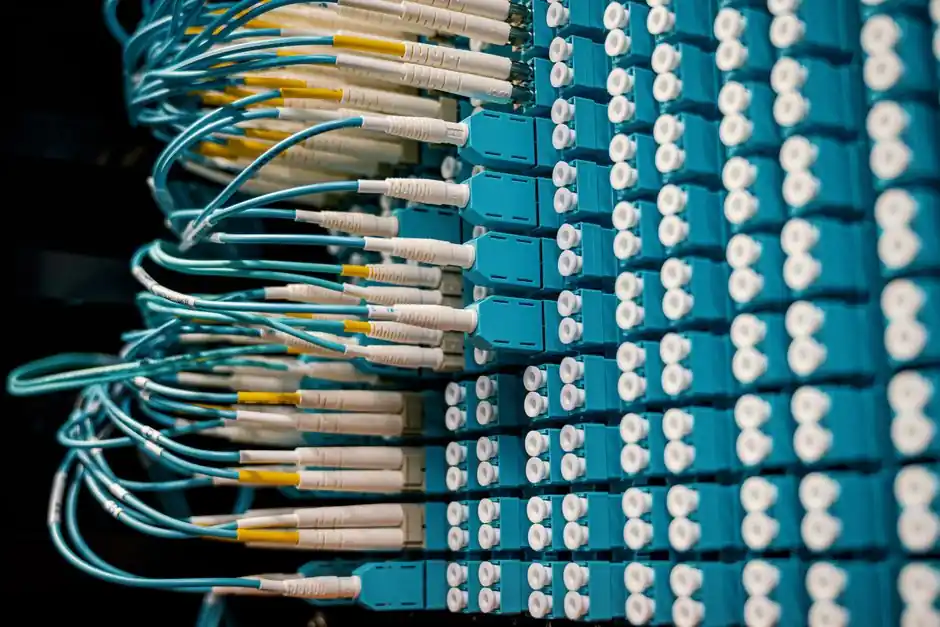
Power cable TCO analysis must include material, labor, energy loss, testing, maintenance, downtime, replacement, and end-of-life costs.
For industrial and metallurgical facilities, cable systems can consume 15–25% of the electrical infrastructure budget [S2].
What Power Cable TCO Measures
Power cable total cost of ownership is the sum of all direct and indirect costs associated with a cable system over its planned service life.
The scope includes design and development costs, such as prototyping, tooling, and design validation, as well as material costs, including wire, connectors, and shielding [S5].
This method differs from a simple capital payback calculation. Energy infrastructure needs routine maintenance and oversight, carries premature-failure risk, and affects energy cost and production continuity, so acquisition cost divided by annual saving is insufficient for electrical assets [S3].
Cost Drivers That Move the Purchase Price
Material cost is the first major driver because copper and aluminium conductors alter both cable price and installation requirements.
Insulation and jacket specification adds another material premium.
Volume and manufacturing method affect quoted unit cost. A low quotation may assume manual production, limited testing, or a large production volume; smaller batches can carry proportionally higher engineering, tooling, setup, and quality-assurance costs. Material costs for cable assemblies include connectors and shielding [S5].
Certification and compliance work should be recorded as a separate cost when it is specific to the project. Relevant project requirements may include insulation, fire-performance, chemical-resistance, environmental, and installation requirements, but the applicable cable standard must be selected from the exact product construction and operating environment rather than inferred from the cable type.
Copper and Aluminium Compared by Lifecycle Criteria
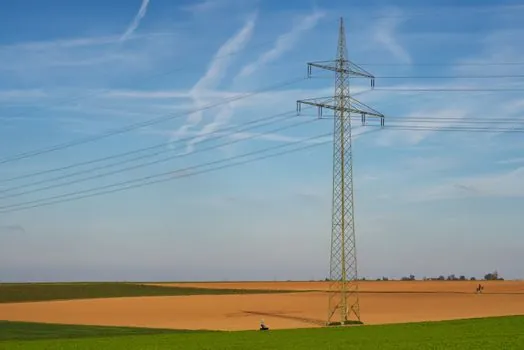
Copper and aluminium should be compared on installed cost, energy loss, physical installation, harsh-environment durability, and upfront price. The available metallurgical analysis places aluminium at 40–60% lower initial cost and approximately 50% greater diameter, while copper is approximately 60% more conductive and has a longer cited service life in harsh industrial environments [S2].
Neither material wins automatically. Aluminium can be rational where conductor cost dominates, route space is available, termination design is proven, and the electrical duty cycle is moderate. Copper can be rational where space is constrained, resistance loss is material, connections require smaller dimensions, or harsh conditions shorten the life of alternative constructions [S2].
Installation and Quality Costs
Installation labour can erase a cable price advantage.
Testing and quality assurance should be valued rather than treated as overhead that can be removed.
Manufactured dimensions, insulation concentricity, jacket consistency, and terminations therefore belong in the comparison before award. A cable that is nominally cheap but requires non-standard tooling, extra handling, or repeated terminations may carry a higher installed cost [S4].
Energy Losses and Maintenance Exposure
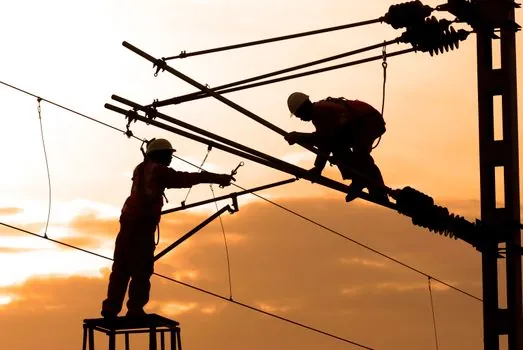
Cable losses are a recurring operating cost, not a rounding error. The cited metallurgical analysis estimates that every 1% reduction in cable-system energy loss can save more than $50,000 per year in large operations. Undersized cable operating at 80% capacity is stated to generate 4–7 times more resistive heat than properly sized alternatives, while temperature variation can alter resistance by up to 20% [S2].
Premium designs incorporating oxygen-free copper conductors and cross-linked polyethylene insulation are stated to reduce resistive losses by 15–30% against standard alternatives. In continuous-duty scenarios, the cited payback range for premium-efficiency cable is 18–36 months [S2]. These figures describe the cited comparison and must be recalculated using actual route length, load profile, tariff, and operating hours.
Preventive inspection also creates recurring expenditure. One maintenance benchmark gives approximately $620 per kilometre per inspection cycle and approximately $6,200 per kilometre over a 25-year cable life. The same benchmark gives an average corrective-maintenance cost of $5,100 per cable failure and an emergency repair call-out cost of approximately $20,000 per event [S4].
Failure frequency is the variable that links these figures to the specification. The cited industry analysis states that lower-quality cables fail 3–5 times more often during the first 10 years [S4]. For procurement, this supports recording defect rates, warranty claims, field-return rates, and time-to-repair by supplier and cable construction instead of relying on a generic service-life claim.
Downtime and Production Loss
Downtime is often the largest TCO component, but it must be calculated from the affected operation rather than assigned a universal hourly rate. Lost output, rework, missed shipments, contractual penalties, restart labour, safety consequences, and equipment damage can all follow a cable failure. Energy-asset analysis identifies interruptions and unplanned downtime, reduced machine performance, quality and rework, safety implications during restarts, and opportunity cost as costs that belong in the ownership case [S3].
A cable-industry example illustrates the scale of the exposure. A $108,000 cabling decision that appeared to save $38,000 was followed by more than $110,000 in unplanned repairs, production delays, and emergency rewiring over three years after jacket cracking and intermittent connector failures [S4].
Another case states that if cable for a production line costs $5,000, a two-hour unplanned outage at a mid-sized plant could cost $500,000 or more, describing this as the 100-times rule [S4]. This is a screening rule, not a universal loss factor. The correct calculation is outage hours multiplied by the plant’s proven contribution margin and added losses, then multiplied by the cable’s failure probability and consequence.
That method also prevents double counting. If lost production already includes lost contribution margin, adding the same margin again under downtime, rework, or opportunity cost inflates the result. Each cost item needs one owner and one calculation basis.
Building a Defensible TCO Model
A defensible model uses at least three scenarios: expected service, degraded service with higher losses or maintenance, and a failure event. The expected-service case includes purchase price, freight, installation, testing, inspection, energy loss, planned replacement, and disposal. The degraded case adds temperature-related resistance change, shorter replacement intervals, and corrective work, while the failure case includes repair, emergency logistics, downtime, restart, and warranty recovery [S2][S3][S4].
Keep one engineering baseline and one commercial scenario. The engineering baseline should use actual route length, load current, duty cycle, ambient temperature, conductor material, insulation and jacket construction, installation method, and test frequency. The commercial scenario should apply verified supplier prices, volume, freight, tooling, qualification, warranty, lead time, inventory, and disposal terms [S1][S5].
The analysis should distinguish cable-system components rather than blending all electrical assets. A power transformer, power distribution box, or cable distribution cabinet has different inspection, replacement, and failure economics. Keeping the boundary clear prevents unrelated capital expenditure from masking a poor cable choice.
Price uncertainty can be handled through sensitivity analysis. Test conductor price, annual load, energy tariff, outage frequency, failure duration, installation labour, and discount rate around the base case. If the ranking changes under small changes in one assumption, the procurement decision depends on unverified commercial or operational data and should not be treated as settled.
Decision Boundaries and Procurement Triggers
Power cable TCO is for high-duty industrial feeders, critical production lines, harsh-environment installations, and routed systems where installation or failure costs are material. It is less valuable for short, low-load, accessible runs where engineering effort and procurement time may exceed the measurable savings, unless compliance, safety, or space constraints still govern the selection. [S2]