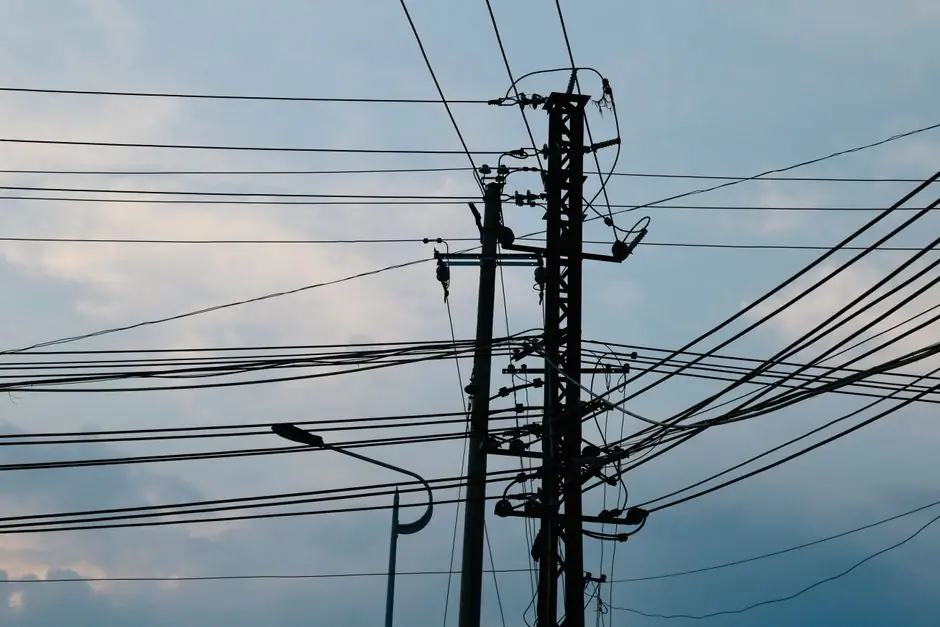
A power distribution box should be evaluated over a defined ownership term using purchase price, installation, energy, maintenance, downtime, modifications, and residual value as separate cost inputs [S3][S6].
The analysis applies to factory, process, commercial, and critical-power installations where the enclosure, protective devices, wiring, commissioning, and future changes affect lifecycle expenditure [S1][S7].
What a distribution box TCO model must include
Total cost of ownership is the purchase price plus future costs over a target term, with two or more assets compared over the same evaluation period [S3]. For a power distribution box, the acquisition line should distinguish the enclosure and busbar or distribution assembly from separately purchased protective devices, cables, transformers, controls, and installation engineering.
The model should then cover engineering and design, transport, rigging, foundations or wall supports, electrical installation, testing, commissioning, protection coordination, documentation, operator training, spare parts, inspections, thermal maintenance, fault response, alterations, and end-of-life removal [S6]. A purchase-price-only comparison hides these obligations and makes the two options difficult to compare.
The evaluation period, discount rate, electricity tariff, escalation rate, planned replacement date, expected failure rate, maintenance policy, and residual value must be entered as explicit assumptions. The transformer TCO method described by United for Efficiency capitalises future losses and incorporates them into purchasing decisions [S5]. For distribution-box analysis, the same discipline means converting operating consequences into monetary values rather than leaving them as qualitative claims.
Cost drivers that move the purchase price
Material selection is a primary price driver. Copper conductors, steel enclosures, aluminium busbars, insulating components, and the protective-device package affect both initial cost and losses, corrosion resistance, thermal performance, and replacement difficulty. The enclosure must be selected for the installation environment and duty rather than by catalogue price alone. [S4]
Specification complexity is the second major driver. A standard power distribution box with common breaker families can cost less than a highly customized assembly, but customization can reduce field labor, retrofit work, spare-parts complexity, and commissioning time. Electrical-supplies purchasing can involve manufacturer-controlled specifications and a lack of substitutes in many applications.
Volume and supplier structure are the third driver. Purchasing a complete market basket from a specialized distributor can produce more favorable category discounts than buying each item from a niche supplier, although local service or a regional supplier network may still be required [S1]. RFQs focused on high-volume, high-cost items give manufacturers a clear commercial basis for quotations and may expose volume-tier pricing.
Certification and documentation form the fourth driver. Modified or non-standard equipment can require additional testing, inspection, engineering review, or recertification, so the apparent saving from a low initial quotation may be consumed by approval and rework. Compatibility with the existing installation should be priced before award, including connection positions, enclosure dimensions, protection coordination, cable entry, and upstream equipment.
Compare designs against measurable decision criteria
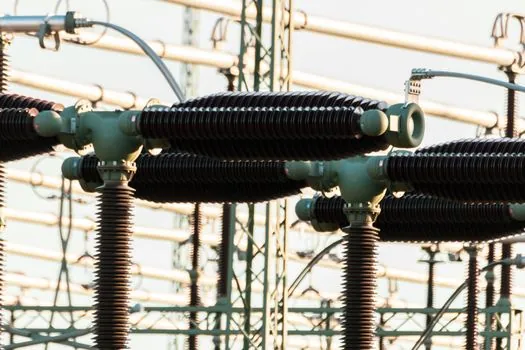
A two-column model should compare a baseline box with the proposed option over the same term. The baseline may remain in service with planned component replacement, while the alternative may offer lower losses, fewer components, faster delivery, better local support, or a more maintainable arrangement. [S5]
This comparison prevents a low quotation from winning by default. The relevant power distribution box lesson is architectural, not a claim about UPS ratings: fewer interfaces and components can lower both capital and operating cost.
Installation, energy, maintenance, and downtime dominate life cost
Installation cost includes more than the quoted enclosure. Engineering time, cable lengths, terminations, lifting, supports, floor loading, enclosure modification, protection settings, factory acceptance testing, site acceptance testing, and commissioning labor must be priced separately. Extra components add interfaces, each of which can introduce matching, wiring, testing, and failure-mode costs [S3].
Energy cost should reflect losses over the actual loading profile and the applicable electricity tariff, not nameplate load alone. Copper losses vary with current and resistance, while heating depends on dissipation and ventilation. A box selected for a high duty cycle can therefore have a materially different energy profile from one lightly loaded, even when both have the same nominal rating. The same operating assumptions must be applied to every option.
Maintenance cost should cover scheduled inspections, cleaning, torque verification, thermographic checks, breaker and contactor service, replacement parts, specialist labor, and the effect of a failure on other equipment. The enclosure and connected power cable should be inspected as part of the same electrical system because damaged terminations, insulation deterioration, and poor joints can move risk into adjacent assets.
Downtime must be valued at the facility’s actual loss rate, not treated as a generic penalty. The transformer analysis records production losses, continuing payroll costs, emergency replacement premiums, and extended outage duration [S4]. For a distribution box, add the restoration sequence: fault isolation, spare-parts dispatch, technician travel, temporary switching, equipment testing, and return to service. A supplier able to deliver a modified unit within several days may still create extra fabrication, enclosure, foundation, cooling, panel, or inspection costs if the replacement does not fit [S4].
Use cases, exclusions, and model boundaries
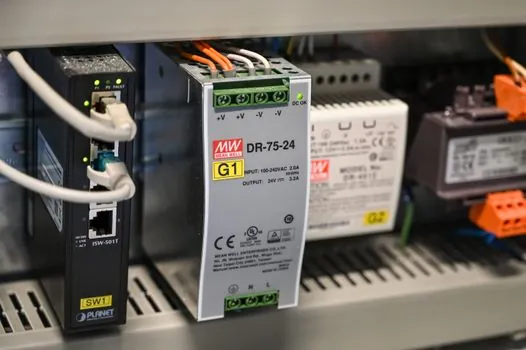
The method is well suited to comparing a new distribution cabinet against a retained unit, testing different enclosure ratings, evaluating sectionalized versus compact arrangements, or deciding whether spare capacity justifies a higher quotation. It is also useful where a facility has several boxes with different lead times and wants to place replacement stock where it has the greatest outage exposure. [S4]
The method is not appropriate for deciding whether an electrical installation meets safety, protection, or code requirements. Those are pass-or-fail engineering checks outside the commercial TCO calculation. Nor should a model be used to hide a noncompliant option behind lower expected downtime losses.
Assumptions must remain comparable across options. Use the same ownership term, discount rate, load forecast, electricity escalation, labor rates, outage cost, and residual-value method for each case. If one design needs more space, cooling, cable, or commissioning labor, include it. If one option carries a longer warranty, treat the avoided maintenance or replacement as a cash flow rather than subtracting the warranty from purchase price.
Residual value and decommissioning require particular care. Refurbishment value may be limited by obsolescence, damage, missing documentation, or a market with few buyers for used assemblies. Removal, transport, recycling, and site restoration should remain costs where they are unavoidable [S6]. The ICCT calculator illustrates the broader TCO method by adjusting vehicle type, annual mileage, charging strategy, incentives, maintenance, residual value, and analysis period to compare ownership costs [S2]; a distribution-box model requires the same input discipline adapted to stationary electrical assets.
Sourcing, standards, and audit-ready calculations
The calculation file should preserve every assumption and calculation trace. Each cost needs a source document, quantity, unit rate, currency, price date, escalation rule, and responsible approver. Record whether the supplier quotation includes delivery, unloading, rigging, installation, testing, commissioning, training, warranty, and spare parts. Undefined exclusions should be converted into explicit cost allowances before commercial comparison. [S4]
Equipment compliance must be verified separately against the standards and approvals applicable to the project. The TCO model may price different certifications, but it must not imply that a cheaper certification satisfies a mandatory requirement. For feeder arrangements involving busway, transformers, fuses, or power cables, confirm interfaces and protection arrangements within the approved electrical design.
Supplier support is a measurable variable. Capture quotation response time, manufacturing lead time, confirmed shipment date, emergency response process, retrofit capability, local service coverage, spare-parts availability, and warranty duration. These fields become numerical scenarios in the model, not qualitative claims. The electrical-supplies sourcing guidance recommends using RFQs for high-volume, high-cost items and evaluating suppliers across the complete market basket [S1].
A practical approval threshold is to reject any option whose labor, modification, outage, or compliance assumptions are missing. The visible distribution cabinet line item can still be lowest, but it should not be declared the winner until the full model uses the same term and operating assumptions for every alternative.
The next procurement record should contain a 15-year or plant-specified cost model, at least two compliant configurations, one disruption scenario, one supplier-delay scenario, and signed assumptions for residual value and decommissioning. Track quoted lead time, response time, and the number of unpriced exclusions as early warning signals of final-cost movement.