
A power transformer installation requires controlled site preparation, isolated electrical work, verified tap settings, grounding, and pre-energization testing.
The procedure covers oil-filled and dry-type units, with transformer-specific manuals controlling handling, connections, protection, and acceptance.
Site preparation and transformer placement
Transformer installation begins before delivery: confirm a level, load-capable foundation, adequate ventilation, access for the delivery route, and clearance from ignition or corrosion sources [S1][S5]. Check nameplate data for kVA, frequency, line voltage, and load voltage against the intended installation [S1].
Schneider Electric’s instruction bulletin covers dry-type transformers rated 1000 volts and below. [S3]. [S2][S4].
Oil-filled transformers require site preparation appropriate to their conservator, cable boxes, oil-handling equipment, and fire protection. Raychem RPG separates transport, receipt, handling, storage, and installation into distinct stages, including oil filling, gasket work, conservator checks, breather service, and pressure-relief provisions [S4].
Handling damage and pre-energization inspection
Uncontrolled movement can damage cabinets, bushings, and internal components, so use the manufacturer-approved lifting points, rigging method, and handling equipment [S3][S5]. A dry-type unit has a shipping pallet for controlled relocation, while substation equipment manuals include dedicated handling and storage instructions [S2][S3].
If a transformer has been stored, compare its condition with the receipt inspection and the manufacturer’s storage requirements before energization [S2][S4]. For liquid-insulated units, inspect oil level, leaks, gaskets, joints, breather condition, conservator arrangement, and whether supplied protection devices are installed and functional [S4].
Do not energize a unit with unresolved transport damage, incorrect accessories, inadequate ventilation, or an incomplete protection installation. Escalate bushing damage, tank or enclosure impact, and unexplained test deviations to the transformer manufacturer, because local adjustment cannot establish internal insulation integrity [S2][S4].
Connections, tap selection, and grounding
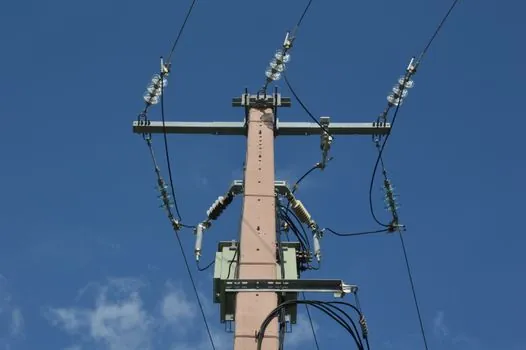
[S1]. [S1][S5].
Ground the transformer unit before completing testing and commissioning. [S1][S5]. [S3].
Route conductors through approved enclosure openings without damaging windings or internal components, and maintain separation from live parts. [S1][S5].
Oil-filled, dry-type, and open-type options compared
Oil-filled equipment fits sites requiring conservator, breather, pressure-relief, and Buchholz-relay provisions, but it introduces oil-handling, sealing, and contamination-control requirements [S4]. Dry-type equipment is covered by a 1000 V-and-below installation bulletin and requires packaging removal, final positioning, grounding, and ventilation-conscious placement [S3]. Open-type substation transformers follow a separate installation, operation, and maintenance manual [S2].
The correct choice is the one whose construction, voltage class, protection arrangement, and site conditions match the design. A dry-type transformer is not a field-modified substitute for an oil-filled unit, and neither should be installed using another type’s connection sequence.
Testing and energization acceptance
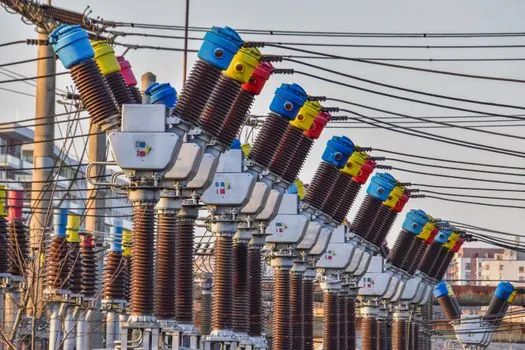
Pre-energization acceptance requires verification that the transformer is assembled and tested, connections are secure, insulation conditions are acceptable, protective devices are set, and grounding is complete [S1][S5]. [S1].
[S1].
Record the test values, settings, nameplate data, serial number, and corrective actions in the commissioning file.
Protection configuration and maintenance handover
Configure protective devices during installation before conducting testing and commissioning. [S5]. [S4].
The substation manual treats installation, operation, service, and parts replacement as a controlled lifecycle rather than a one-time delivery task [S2]. Its 24-page manual, designated MN202002EN, is effective June 2016 and supersedes S210-15-10 from February 2013; use the edition supplied with the transformer because configurations and parts can differ [S2].
Handover should include the final drawing, approved tap setting, test results, grounding record, protective-device settings, oil condition where applicable, and manufacturer contact information. Ongoing inspection must cover leakage, noise, ventilation, connections, and protection condition, using the applicable power transformer maintenance instructions.
The next verification node is a witnessed pre-energization test pack: compare every recorded value with the nameplate, approved drawings, and manufacturer limits, close all punch-list items, then energize under the approved switching procedure.