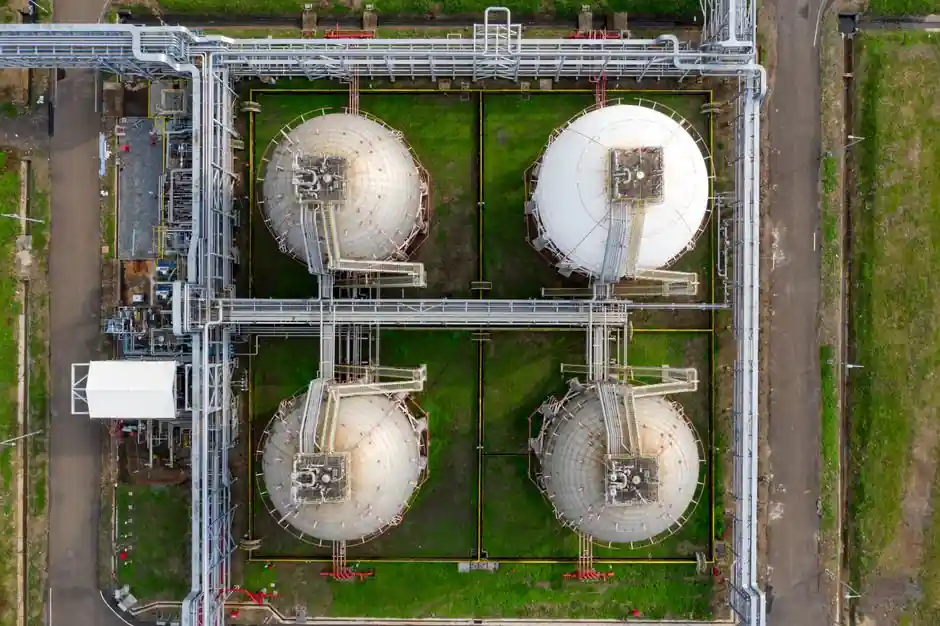
For outdoor yard work, diesel generally suits heavy loads and rough terrain, while propane suits operations that must also enter enclosed areas with lower emissions.
The comparison covers 8-hour fuel use, torque, refuelling, operating environment, maintenance exposure, and the practical choice between a propane forklift and a diesel forklift.
Propane and diesel performance for yard work
Diesel forklifts provide greater low-speed drive-line torque and the highest raw lifting power of the three commonly discussed fuel options, making them the stronger choice for heavy loads, long operating hours, lumber yards, construction sites, and uneven surfaces [S6][S7]. Propane forklift engines are more applicable to mixed indoor and outdoor duty, while large diesels are generally assigned to outdoor and rough-terrain work [S1].
The forklift choice should follow the duty cycle rather than fuel label alone. If the truck spends nearly every shift outdoors, handles dense loads, climbs ramps, or tows trailers, diesel deserves the higher priority. If the same truck regularly crosses a warehouse boundary, propane gains operational flexibility.
Fuel consumption and shift economics
Propane therefore uses a much larger liquid volume, so its economic case depends on delivered propane price, consumption per hour, and cylinder service charges, not a direct gallon-for-gallon comparison.
This is not a universal cost model, but it demonstrates why propane's often-lower unit price does not automatically produce lower cost per shift.
For a yard with several trucks, record metered fuel per engine hour for at least 30 operating days, then combine those figures with actual supplier invoices. Propane suppliers state that propane fuel has consistently cost less than diesel for some operations, which can materially reduce annual fuel expense where local pricing supports that result [S2].
Decision matrix: fuel, torque, refuelling, and environment
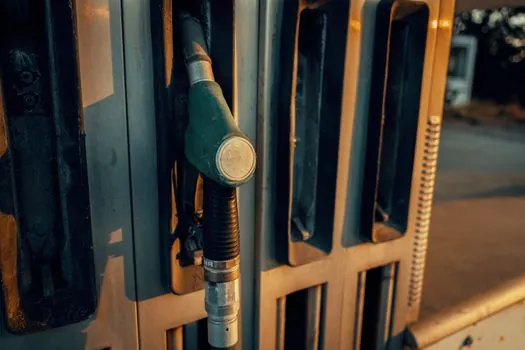
On lifting capacity and low-speed pulling force, diesel leads, with maximum torque and exceptional performance on uneven terrain; propane is suitable for lifting work but is not normally selected for the same maximum-torque demand [S3][S7]. On indoor access, propane has the advantage because it can operate in enclosed spaces, whereas diesel carries the greater indoor emissions and noise penalty [S1][S7].
Propane forklifts use liquefied petroleum gas stored in exchangeable cylinders, whereas diesel operators fill their forklifts from a fuel barrel [S3][S4].
That figure is not a universal service-life guarantee, and propane cannot be credited with matching it. The comparison instead shows diesel as the established choice for intensive outdoor service, while propane gains where emissions and mixed-site access outweigh extreme duty requirements.
Refuelling, storage, and yard logistics
Diesel filling can be simpler for a private yard because the truck can pull up to a fuel barrel, as described in one operator discussion [S4]. Propane requires exchangeable cylinders, storage space, a secured cylinder area, supplier access, and a clear inventory of full and empty tanks.
A 2–5 minute cylinder exchange is short when filled cylinders and a lifting device are ready [S3], but Diesel refuelling is convenient when a fuel barrel is readily available [S4].
For fleet planning, compare three numbers rather than labels: planned operating hours per month, fuel consumed per hour, and required refuelling labor. Also include the number of cylinders that can be stored safely and the maximum delivery lead time. The outdoor location of a diesel fuel tank, storage separation, spill control, and local fire-code requirements must be resolved separately from the forklift decision.
Weather, maintenance, and operating limitations

Cold starts are a practical constraint for both fuels. One operator reports that diesel sometimes started poorly on cold days, while another states that an aging propane engine could become cold-blooded and need preheating comparable to diesel [S4].
Propane burns cleanly enough that operators report cleaner engine oil, and some report longer intervals between oil changes [S4][S5]. Those observations should not replace the OEM maintenance schedule. Diesels still require scheduled service for injectors, filters, cooling, lubrication, and emissions controls, while propane engines require cylinder, regulator, fuel-line, spark, and valve inspection.
Outdoors, emissions are less restrictive than in a warehouse, but noise, visible smoke, ground contamination, and local air-quality rules can still affect a diesel yard. Propane produces lower carbon monoxide output than diesel or gasoline, but it is not a zero-emission engine [S8]. Any enclosed building therefore needs an approved propane forklift, ventilation provisions, and an exhaust assessment rather than an assumption that LPG is harmless indoors.
Application-based selection and purchase criteria
Choose diesel for a lumber yard, heavy fabrication yard, construction platform, or trailer-handling operation when high hourly use, uneven ground, maximum low-speed torque, and on-site fuel storage dominate the business case [S3][S7]. Choose propane when one fleet must work both outside and inside, lower exhaust emissions justify the fuel system, and cylinder exchange can be supported without creating a bottle-handling bottleneck [S1][S9].
Propane is a weak fit for a remote yard with no dependable cylinder supplier, especially when uninterrupted operation outweighs indoor flexibility. Diesel is a weak fit when indoor entry is frequent and local ventilation cannot support its emissions. Operators needing charging infrastructure or very low noise can also evaluate the electric versus propane operating-cost comparison, although electric charging and battery availability introduce a third set of site constraints.
Before ordering, confirm the forklift data plate, lift capacity at the intended mast height and load center, engine hours, tire and ground-clearance configuration, fork and side-shift requirements, fuel-system condition, service history, and attachment compatibility. Capacity can change materially once attachments or a raised mast are included, so verify the rated capacity for the actual working configuration.
Standards and sourcing controls
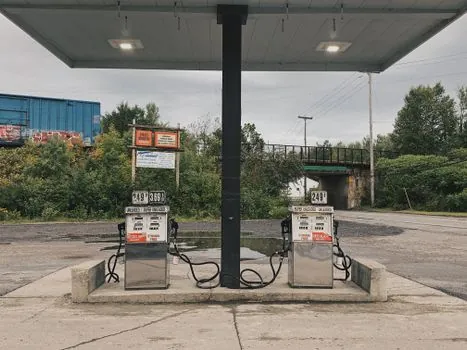
The propane-versus-diesel decision should be closed with measured operating data: 8-hour fuel use, annual engine hours, fuel invoices, cylinder exchange time, unscheduled repairs, and exposure to enclosed areas. Argonne's full fuel-cycle analysis, ANL/ESD/08-3, provides the technical basis for comparing forklift propulsion systems and identifies propane's indoor-use advantage over large diesel equipment (2008-10) [S1].
Propane is a liquefied petroleum gas, so storage, cylinder handling, appliance and vehicle conversion requirements, and facility rules must be checked for the jurisdiction. A forklift is powered equipment, not a road vehicle, and fuel-system installation should follow the forklift manufacturer's certified configuration rather than improvised hose, regulator, or tank modifications described in forum posts [S4].
Use the engine and forklift manufacturer for the applicable service manual, emissions identification, cold-start procedure, fuel-line and cylinder inspection intervals, and warranty conditions. For procurement, require the model-specific rated lift capacity, engine power, operating weight, turning radius, tyre options, fuel consumption test where available, and documented maintenance history; compare those records against the yard's 12-month duty profile.
The first implementation step is a 30-day fuel and downtime log for one diesel and one propane truck doing comparable work, followed by a vendor trial using loaded travel, lift cycles, gradients, and one enclosed-building entry protocol.