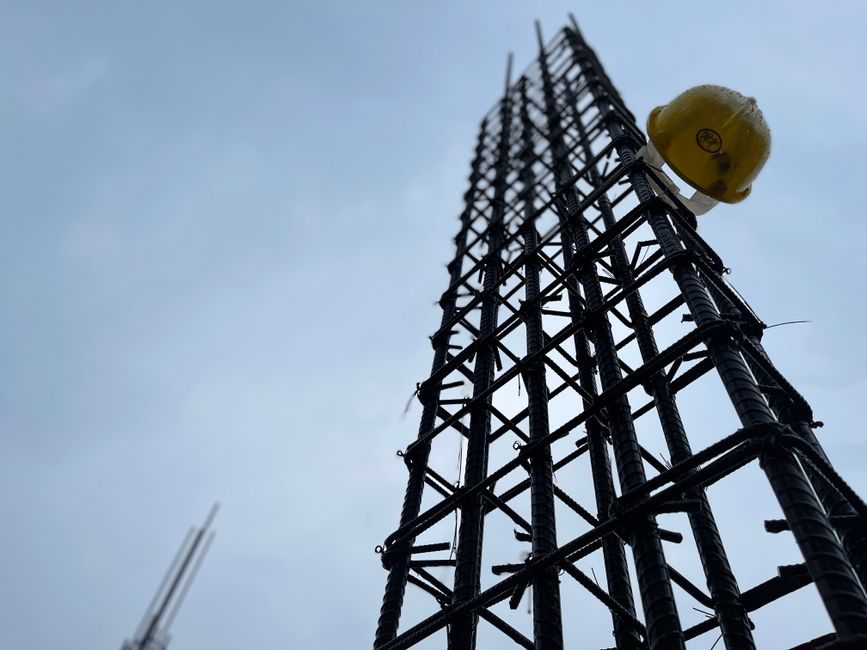
Mechanical rebar couplers splice two bars by threaded sleeve, grout-filled sleeve, or cold-extrusion press, and they must develop the full tensile capacity of the parent bar at every joint to replace lap splicing [S2].
China-based JBCZ, active since 1987 and holding a 1997 upset-forging parallel-thread machine patent, ships couplers rated to 800 MPa tensile / 600 MPa yield and 100%-passes a 0.1 mm slip test, 3.5-million-cycle fatigue test, and AC-133 cyclic test to UK CARES, DCL, DCLD, ISO 15835 and AFCAB schemes [S2]. Standard size range covers #4 (12 mm) through #20 (50 mm) bar in carbon grades 40Cr and 45# with options for stainless, epoxy-coated, and cryogenic taper-thread (-170 °C) variants for LNG and brine service [S2][S4].
Bar-End Prep: Saw, Upset, Thread or Cold-Extrude
A bar end must be cut square within ±1.5° of perpendicular before any threading operation, because the thread root length controls the engagement length and therefore the joint's slip performance under ISO 15835 [S1][S2]. A rebar cutter with a clean abrasive or cold-saw blade is the preferred first tool; flame cutting is rejected by most specifiers because the HAZ softens the rib shoulder and reduces pull-out resistance [S1].
Three prep paths then diverge by coupler type. Parallel-thread (Type 2) systems require the bar end to be upset by cold forging to recover the material removed by thread cutting, then rolled on a rebar threading machine to a standard pitch; tapered-thread systems cut the thread directly without upsetting; cold-extrusion sleeves are slipped over the un-threaded bar and radially pressed with a hydraulic die to plastically deform the sleeve into the bar ribs [S2]. JBCZ publishes a 100% on-line slip-test pass rate at 0.1 mm deformation after threading, with the upset-forged parallel-thread process covered by their 1997 patent grant [S2].
Torque Bands by Bar Diameter and Sleeve Type
Threaded couplers are torque-preloaded, not just hand-tightened: insufficient torque lets the joint slip under service load, while over-torque strips the thread root and initiates fatigue cracks at the first engaged thread [S2]. A typical field map for standard parallel-thread Type 2 couplers on Grade 60 / B500B bar runs from roughly 80 N·m at #4 (12 mm) up to 380-450 N·m at #20 (50 mm), with the actual value printed on the maker's QC tag and validated against the project's ISO 15835 type-test report [S1][S2].
Cold-extrusion (press) couplers do not use torque at all — they are activated by a portable hydraulic press at 50-70 MPa die pressure, with the press stroke verified by a go/no-go gauge that measures the final sleeve diameter to ±0.2 mm [S2]. For the related threader commissioning work, the rebar threading machine install sequence covers die selection, coolant flow, and chip-clearance checks that also govern on-site threading quality.
Position, Alignment and Embedment Tolerances
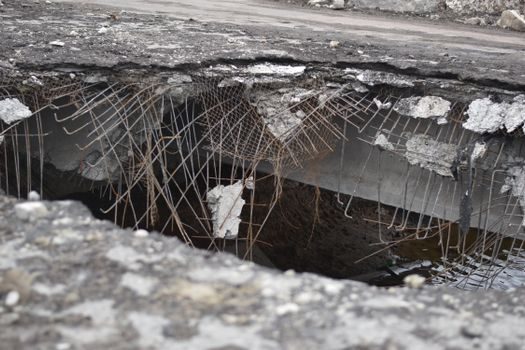
A coupler's job is to keep the bar concentric: misalignment greater than 2° between the two bar axes introduces a prying load that the threaded engagement was never designed to carry, and most ISO 15835 type-tests are conducted on collinear bars for that reason [S1][S2]. Field crews therefore pin the bar in a guide jig before threading, and on the second engagement the bar is run in by hand until the chamfer seats against the sleeve face, then torqued to value [S2].
Embedment depth is governed by the coupler length divided by two: the bar must visibly seat against the centre stop inside the sleeve, and any gap larger than 2 mm at the centre stop is grounds for rejection and re-threading [S2]. For non-standard geometries — bent bars, pile-cage splices, or column lap-replacement details — an LER (locked-end-rod) adjustable coupler or a positional coupler is specified, both of which accept a small axial offset and are still covered by the same AC-133 cyclic regime [S2].
ISO 15835 and AC-133 Acceptance: What to Demand on Site
Acceptance on a rebar coupler job is documented, not assumed: the maker supplies a Type 2 (BS/ISO 15835) or AC-133 type-test certificate per heat of steel, and the installer runs a slip test on a sample of finished joints at the rate set by the project's inspection-and-test plan [S2]. The 0.1 mm slip limit and the 3.5-million-cycle fatigue pass rate that JBCZ publishes are the two numbers that translate directly to field acceptance language, and the same limits appear in UK CARES TA1-A and DCL/DCLD audit reports [S2].
Three concrete data points must appear on every coupler QC tag for a spec-compliant install: bar diameter and grade, applied torque (or extrusion pressure) value, and the operator's stamp with date. Without those three, the joint cannot be traced back to a type-test lot, and most third-party inspectors will reject the pour [S2]. Reference rebar coupler data sheets and rebar grade traceability must be cross-checked at the lay-down yard before any bar is threaded.
Failure Modes: When to Re-Thread, When to Scrap
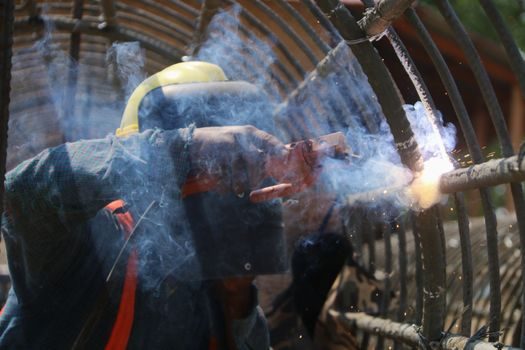
Stripped threads, rusted-engagement lengths, and overheated bar ends (from abrasive cutting without coolant) are the three field failures that consistently take a coupler joint out of service [S1][S2]. A stripped thread cannot be repaired by adding torque; the bar must be cut back at least one bar diameter past the damaged zone, re-upset if the design requires it, and re-threaded with a new sleeve [S2].
Epoxy-coated and stainless variants need a different rule: the coating must be masked or re-applied at the engagement zone, because a 50 µm epoxy build-up inside a parallel-thread sleeve acts as a lubricant and drops the slip-load capacity well below the 0.1 mm limit [S2]. For cryogenic service below -40 °C, only a dedicated -170 °C-rated taper-thread coupler is acceptable — a standard Type 2 parallel-thread joint will crack at the thread root in LNG splash zones [S2]. If misalignment, bar damage, or coating loss exceeds the maker's published limits, the joint is scrapped, not re-torqued.
Comparing the Main Coupler Types Against Field Decision Criteria
Four coupler families cover almost every structural splice on a commercial or infrastructure job, and they line up against four decision criteria as follows: standard parallel-thread (Type 2) gives the lowest unit cost and fastest install for collinear bar-to-bar in slabs and walls; tapered-thread suits site threading without an upsetter and tolerates minor bar-end damage; cold-extrusion press couplers are the choice where no heat, spark, or thread chip is permitted (e.g. tunnel or live-process work); grout-filled sleeves are specified for heavy #14-#20 column splices and for rebar connections across construction joints where the second bar cannot be rotated [S1][S2].
On installation speed, a parallel-thread joint runs 60-90 seconds per bar for an experienced two-person crew once the rebar threading machine is set up, while a cold-extrusion joint takes 2-3 minutes per press cycle but skips the threading step entirely. On torque equipment, parallel-thread needs only a calibrated 1/2" impact wrench or click-type torque wrench in the 80-450 N·m band, whereas cold-extrusion needs a 50-70 MPa hydraulic press and matched die set per bar size [S2]. On traceability, both families fit inside the same ISO 15835 paperwork, but only the threaded families can be visually inspected for full thread engagement at the centre stop before the pour.
Sourcing, Standards and What to Verify at PO Stage
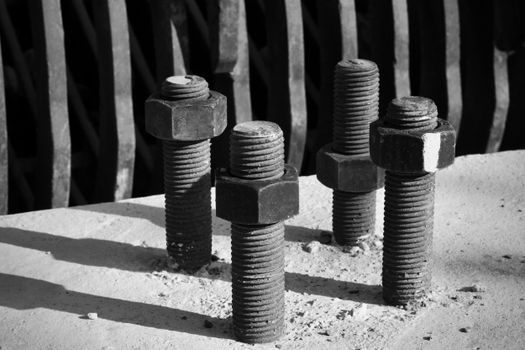
Specifying a coupler at purchase-order stage means locking four documents: the ISO 15835 / AC-133 type-test report for the exact bar diameter and grade, a per-batch material certificate (typically 40Cr or 45# carbon steel, or 304/316 stainless for corrosive service), a CARES / AFCAB / DCL approval letter valid for the project jurisdiction, and a written torque or press-pressure table for every diameter on the project [S2]. BARTECH, a parallel manufacturer, also documents a 40Cr and 45# carbon-steel product family with standard, positional, and transition coupler styles, useful when a project mixes bar grades within one pour [S4].
For US projects, Whitacre Rebar lists Form Savers and Mechanical Couplers as a stocked line alongside its fabrication and placing services, which means the supply chain for small-batch or schedule-critical couplers typically routes through a rebar contractor's warehouse rather than direct from the coupler OEM [S3]. Two trackable signals for the next 6 months: ISO 15835 type-test certificates adding larger #22-#25 (57-64 mm) bar sizes for mega-column splices, and more cryogenic taper-thread SKUs entering LNG and northern-port infrastructure projects where the -170 °C rating is now the published default [S2].