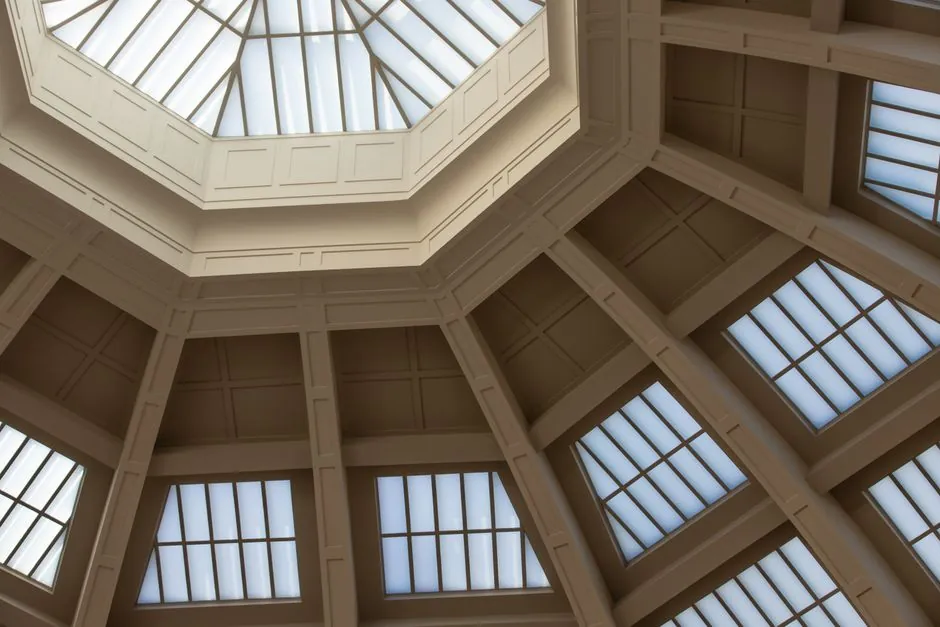
Five VELUX model families cover the bulk of U.S. residential skylight decisions in 2026: VSE solar-powered venting, VS manual venting, FS fixed, GPL top-hinged roof window, and the Sun Tunnel (TGR/TWR) reflective tube [S3].
The right pick is driven by three hard gates before brand even enters the discussion: roof type and reach, room function (daylight-only vs daylight-plus-ventilation), and local code, which in Florida and coastal Texas now means a Miami-Dade NOA or TDI listing for any impact-rated unit [S2].
Five VELUX families and what each one actually does
VELUX segmented its 2026 residential line into five families that map cleanly to room and roof geometry [S3]. VSE is a solar-powered venting skylight with a built-in rain sensor that closes the unit automatically; it requires no hard wiring and qualifies for the federal 30% residential solar tax credit. VS is the same venting geometry but crank-operated, cheaper upfront, and used where the homeowner can reach the operator without a pole. FS is fixed (non-opening) glass, the lowest-cost path to daylight, and the standard pick for bathrooms, stairwells, and closets where ventilation is not needed. GPL is a top-hinged roof window sized for finished attics and steep-slope ceilings within reach; it opens like a vertical window and can be specified to meet egress. Sun Tunnel (TGR/TWR) is a reflective tube assembly for rooms where a full skylight is not feasible, interior closets, hallways, and powder rooms, channeling daylight from a roof dome to a ceiling diffuser.
For a kitchen, primary bath, family room, or master-bedroom retrofit, the working default is VSE: the rain-close automation matters in two-story homes where nobody wants to climb a ladder to shut a manual unit, and the 30% tax credit erases most of the price gap versus VS [S3]. For purely daylight-driven rooms where the homeowner never wants to operate the unit, FS remains the cost-optimized choice. In finished attics that need code-compliant egress, GPL is the only family in the VELUX catalog that can be specified to meet that function, while Sun Tunnel is the only option when the framing above the room cannot accommodate a full curb.
Hurricane-zone certification: Miami-Dade NOA and TDI listing
Florida's High Velocity Hurricane Zone (HVHZ), which includes Miami-Dade and Broward Counties, runs the most aggressive residential skylight certification regime in the U.S., and Texas layered a parallel path through the Texas Department of Insurance after the 1999 TDI founding [S2]. HVHZ requires large-missile impact testing, a 9-pound 2x4 lumber section fired at 34 mph at the skylight, plus uniform static air pressure, water-infiltration, and cyclic positive/negative wind pressure tests; operable units must additionally pass ASTM F588 and AAMA 1302.5. TDI requires structural testing to establish a maximum design pressure, an impact and debris resistance test, and a system assembly test that accounts for each specific material in the build; every shipped unit must carry a permanent label with manufacturer, model, design pressure rating, and an impact-resistant marker.
VELUX residential polycarbonate skylights now carry both the Miami-Dade NOA and TDI listing, plus NFRC certification, Florida Product Approval, and WDMA Hallmark [S2]. For an architect, builder, or homeowner in HVHZ or in a Texas coastal county, the practical gate is straightforward: the unit must show the local NOA number on the submittal package, and the project-specific design pressure, cycle pressure, and missile impact rating must all be met for the actual address, because the listings set the ceiling rather than blanket-approve every installation.
Flashing, warranty, and the 20-year leak-free benchmark

The dominant residential skylight failure mode in older Mid-Atlantic and Northeast homes is not glass breakage but flashing leaks at 8-15 years, where the original installer used a non-OEM curb flashing or skipped the deck-seal step [S3]. VELUX's published residential flashing warranty is 20 years when installed with a VELUX deck-mounted flashing kit by a trained installer, and field experience in the D.C. suburbs tracks units past 25 years leak-free when that kit is used [S3]. This matters more than the glazing choice for total cost of ownership: a builder-grade curb-mounted retrofit on an asphalt-shingle roof typically fails at the step-flashing seam first, not at the glass.
Specifying practice: pick the deck-mounted flashing kit matched to the roof material (shingle, metal, tile, or low-slope membrane), and refuse the curb-mounted retrofit path on roofs under 14 degrees pitch unless the existing curb is already flashed correctly. For low-slope applications, the VELUX low-profile deck-mounted kit is the only path that keeps the 20-year warranty intact [S1][S3].
ENERGY STAR, NFRC, and the glazing side of the spec
ENERGY STAR certification is a baseline across the residential VELUX line and the most useful shorthand for U-value and solar heat gain coefficient (SHGC) compliance in northern climates [S1]. NFRC ratings are the second label to check, because they break out the whole-unit U-factor, visible transmittance, and SHGC that code officials and HERS raters actually cite. For Montgomery County, MD and similar climate-zone 4 jurisdictions, a U-factor of roughly 0.30-0.40 and a moderate SHGC around 0.25-0.35 is the working target for a sun-exposed roof plane; off-axis north-facing slopes can accept a higher SHGC because summer gain is not the constraint.
Double-pane low-E laminated glass is the default across VELUX venting and fixed residential units; polycarbonate is the impact-rated material used to satisfy the Miami-Dade NOA and TDI listing paths and is a separate selection branch from the standard glass units [S2]. Laminated glass also gives a code-acceptable alternative where impact rating is not required but the homeowner wants the post-breakage retention of a plastic interlayer.
Smart-home integration and the 30% federal solar tax credit

Solar-powered venting units, the VSE family, integrate with Apple HomeKit, Google Home, and major voice-control ecosystems through the VELUX ACTIVE or KIG 300 gateway, with the rain sensor and scheduled ventilation automations running locally on the bridge [S3]. Manual and fixed units have no native smart-home story beyond a third-party shade controller, so a homeowner who wants the rain-close and indoor-air-quality triggers has to be on the VSE branch or buy a separate wired solution.
The federal Residential Clean Energy Credit (Section 25D) covers 30% of qualifying solar-powered skylight costs through the 2026 tax year, including the VSE unit and its dedicated solar-powered blind when installed as a system [S3]. That credit is the single largest economic gate in the model decision: on a typical VSE install, the 30% credit closes most of the price gap against the manual VS unit and shifts the working default from VS to VSE in homes where fresh-air automation has any value at all.
Where skylights fail and when to walk away
Three failure modes dominate the residential replacement market: flashing leaks at 8-15 years on non-OEM curb retrofits [S3], interior condensation on units installed without proper cold-side thermal breaks, and glass cracking on low-slope roof planes where a curb-mounted unit pools water above the frame. Operable units add two more: rain sensor failures after a decade of exposure, and operator-chain or motor burnout on manually-cranked VS units that have been neglected.
Walk-away conditions: roofs under 3:12 pitch (about 14 degrees) with a curb-mounted retrofit, framed roof openings that are not sized to a current VELUX rough opening, and any HVHZ project where the selected unit does not carry a current Miami-Dade NOA matching the project's design pressure and missile rating [S2]. For non-hurricane zones, the VELUX rough-opening sizing chart and the matching deck-mounted flashing kit are the two documents that drive a clean install; deviating from either is where residential warranty claims accumulate.
The next node to track is the 2026 VELUX model refresh: the VSE solar-venting family expanded its tax-credit-eligible configurations in May 2026 and is the working default for any room that needs both daylight and fresh air [S3]. A second signal worth watching is whether additional VELUX residential polycarbonate units pick up the Miami-Dade NOA and TDI listing, since the current coverage is limited to specific impact-resistant SKUs and the FL/TX specifier still has to verify the listing scope per address [S2].
The underlying component specifications are covered under skylight, construction tools, and construction machinery and equipment.
For related coverage, see Heat treatment furnace selection for hardware manufacturing: spec gates, refractory.