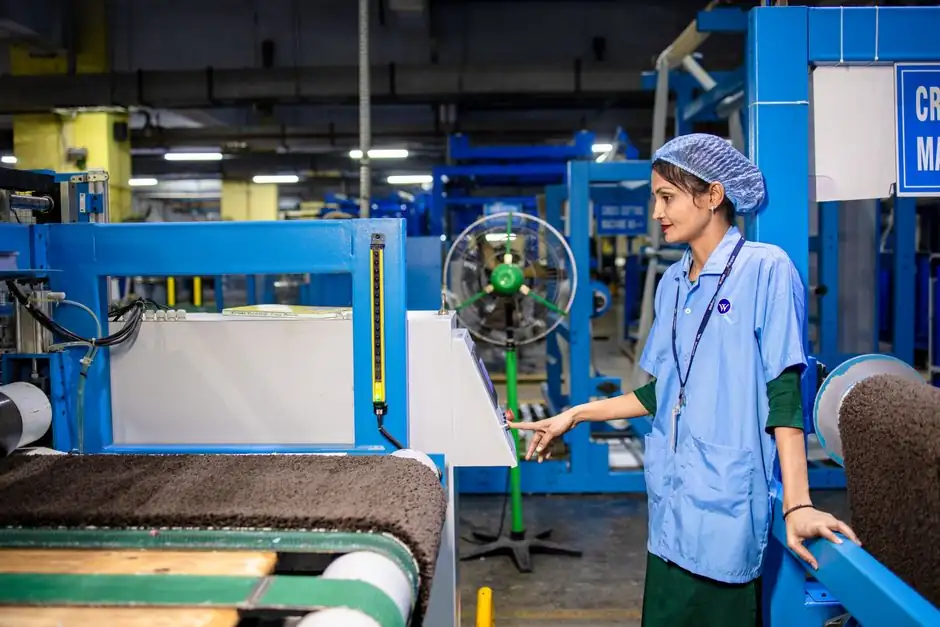
Clamp-on current sensors can add run-state and part-count data to legacy machines without replacing their controls or modifying motor wiring.
The retrofit covers current, vibration, proximity and digital signals, but OEE quality still depends on operator-entered or inspected good-part and scrap counts [S1][S3][S4].
What a Current Sensor Can Measure
A current sensor clamped around a motor lead measures current, which can be collected alongside other machine data for monitoring purposes [S5]. This makes motor electrical behaviour a practical proxy for machine activity when the controller exposes no usable Ethernet or production data.
The measurable chain begins with motor load and includes running state, cycle timing and part counts when the load signature is distinctive enough to classify. Availability can therefore be inferred from running periods, while performance can be assessed by comparing actual cycle time with a validated ideal cycle time [S4].
A clamp-on approach is appropriate for legacy CNC equipment, presses, saws, welders and other machines where control-system access is unavailable. It is not a universal substitute for a machine controller, and it is unsuitable when several motors run with overlapping or variable loads unless the classification logic is trained against the operating recipe.
OEE Requires Three Independent Data Streams
OEE is calculated as Availability multiplied by Performance and Quality, so current data alone does not produce a defensible result [S4]. Availability needs run time and stop periods, performance needs part count and ideal cycle time, and quality needs good count and scrap data [S4].
Current sensing can contribute to the first two factors when the machine produces a repeatable electrical load pattern. Quality normally comes from operator entry or an inspection station because a defective part can consume the same electrical cycle as a good part [S4].
The components should therefore be treated as separate evidence streams rather than duplicated measurements. A condition monitoring system can consume vibration, temperature and other channels for asset health, while the OEE layer converts runtime, counts and quality records into loss categories. The detailed selection between these signal types determines whether the retrofit produces usable production data or only raw motor load.
Current, Vibration and Proximity Compared
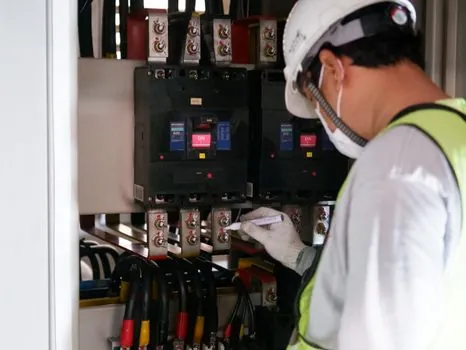
Current sensing requires access to motor leads and interpretation of electrical load, vibration sensing requires a fixed mechanical mounting point, and proximity counting requires a detectable moving or target event. These constraints determine signal fidelity, installation effort and the ability to count parts [S1][S3].
Current sensing offers the clearest retrofit when motor conductors are accessible and load changes mark the production cycle. Vibration sensing is stronger for mechanical condition and may distinguish motion states without interpreting electrical demand, but its mounting and noise filtering require care. Proximity switches or counters provide a more direct event signal for cycle detection and part counting, but they require alignment or a target near the sensor [S1].
For a mixed fleet, the preferred approach is usually layered: use current or vibration for operating state, add a proximity counter where cycle counting is not reliable, and retain manual quality capture. The practical comparison is therefore based on installation access, signal interpretability, part-count accuracy and maintenance burden, not simply on which sensor is cheapest.
Build a Defensible Cycle Classification
A useful current-sensor retrofit must distinguish running from stopped production and separate true cycle events from auxiliary loads. The commissioning baseline should record the electrical signature across idle, ready, running, fault and changeover states before automatic classification is accepted [S1][S5].
One test worth running before rollout is a manual count of 10 parts against the sensor-derived count. The accepted tolerance and cycle threshold should be set from the machine and process, not copied from a generic dashboard configuration [S4]. An incorrect ideal cycle time directly changes performance, while different rules for classifying short stops can move losses between availability and performance [S4].
The same commissioning exercise should document the recipe, product or operating mode used for each threshold. Variable-speed equipment, overlapping motor loads and batch processes may require separate classifications, and an unsuitable threshold can produce false run states or double-counted parts.
Choose Edge Hardware by Signal Count
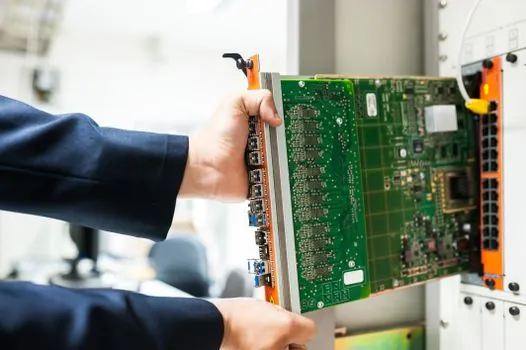
The Scytec Status Relay Controller has both digital and analog inputs and can connect to machines over wired or wireless Ethernet [S1].
Data can be collected from a wide range of sensors, including current, humidity, proximity, fill-level and vibration sensors [S1].
This hardware model illustrates the decision that must be made at the edge: select inputs for signal type and count, not by the word OEE. A monitoring terminal then collects the signals through wired or wireless Ethernet, which avoids a PLC-access project but does not eliminate electrical installation and signal-validation work [S1].
Deployment Risks and Failure Modes
The main failure mode is confusing motor energisation with productive work. A pump, fan, clamp, heater or conveyor can draw current while the machine is not producing saleable parts, so current must be interpreted within the machine's actual sequence [S5].
Electrical transients can also imitate state changes, while changing recipes can invalidate a threshold set during commissioning. Installations need an electrical review for conductor size, transducer range, signal conditioning and safe placement, particularly where sensors are attached near moving or hot equipment. The available Scytec configurations show why input range and quantity must be checked before installation: 0–20 mA, 4–20 mA and 0–10 V are not interchangeable [S1].
For more detailed integration sequencing, connect legacy machines without Ethernet ports covers the control-interface decisions that should be settled before sensor installation begins.
Pilot on One Line and Set Acceptance Criteria
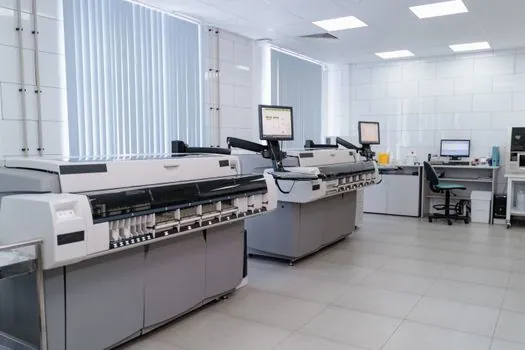
A one-line pilot should collect a baseline of runtime, stops, part counts and scrap, then compare sensor-derived values with a hand count of 10 parts and an operator-observed cycle before wider deployment [S4]. The pilot should establish the ideal cycle time for each operation and document how short stops are classified, because both choices materially affect OEE [S4].
Acceptance criteria should include missed-cycle rate, false run-state duration, count agreement over the test period, data continuity and the proportion of scrap records linked to the machine. The platform should provide OEE, downtime and micro-stop visibility across both legacy and new equipment without requiring operators to re-enter production totals [S2].
The next verification step is a controlled trial on one representative machine, using at least 10 hand-counted parts and documented operating states before thresholds are scaled across the fleet. This establishes whether the chosen signal supports production counting or should be restricted to run-state monitoring [S4].