
Industrial sand cooler selection is a heat-balance problem first, an equipment problem second: throughput in t/h, inlet temperature from shakeout or sand reclamation unit discharge, and the target outlet temperature the downstream resin binder line can accept are the three numbers that lock the design.
This 2026 spec-first map lines up rotary drum, fluidized-bed, and vibrating spiral designs against iron, steel, and non-ferrous foundry duties, then flags the buyers who should reject each option outright. Pricing is treated as a downstream filter, not the starting point.
Spec Inputs: Throughput, Inlet/Outlet Temperature, and Moisture
A 10 t/h green-sand return line dropping out of a shakeout machine deck typically carries 120-180°C sand and 1-4% free moisture; air-cooled natural cooling alone will not bring the bed below the 30-40°C ceiling that resin binders tolerate without hot-spots and pre-cure [S4]. Water evaporation is the workhorse mechanism, and a 10-20°C approach temperature to ambient wet-bulb is the realistic floor without refrigeration.
Foundry engineers should lock four numbers before any quote: nameplate t/h at the design inlet moisture, design inlet temperature, target outlet temperature, and the available cooling-water flow at the site. Anything that ignores the wet-bulb limit will be sold a unit that performs only in winter [S3].
Three Main Cooler Types: Drum, Fluidized-Bed, Vibrating Spiral
Rotary drum sand coolers dominate iron and steel foundries above 5 t/h, with drum diameters from 1.0 m to 2.5 m, lengths 6-18 m, and lifter flights tuned to either co-current or counter-current water/air paths. Drum units are forgiving on sand moisture swings and on tramp metal; a magnetic head pulley upstream is the normal configuration [S2].
Fluidized-bed coolers push hot sand over a perforated plate with high-velocity air, achieving the lowest approach temperature (often 5-10°C above ambient) and the tightest outlet control, but they require dedusting upstream of the fan and a low-dust feed. They fit reclaimed silica and chromite lines where the sand reclamation unit already cleaned the grain.
Vibrating spiral coolers use a trough driven by twin vibrating motors, with water sprays or jackets; they are compact, sealed against dust, and well suited to non-ferrous and small-job foundries in the 1-5 t/h range. Maintenance is limited to screen replacement and motor bearings, both accessible without drum rotation [S1].
Selection Criteria: Footprint, Water, Power, and Dust Compliance

Footprint is the first hard filter: a 10 t/h drum at 2.2 m diameter x 14 m needs roughly 80-100 m² with feed and discharge conveyors, while a fluidized-bed of the same rating typically fits in 30-40 m², and a vibrating spiral in 15-25 m². Floor area per t/h is the single most useful number to ask vendors for [S3].
Specific water consumption sits in the 0.3-0.6 m³ per tonne of sand band for evaporative designs; specific power for the drum drive plus fan cluster runs 4-8 kWh/t, and for fluidized-bed units 6-10 kWh/t because of the high static-pressure fan. Vibrating spirals are the lightest at 2-4 kWh/t but pay in higher water use per tonne.
Dust compliance is non-negotiable in EU and Chinese foundries: drum discharges need enclosed hoods, and fluidized-bed units require an integrated baghouse with 10-20 mg/Nm³ outlet to meet typical regional foundry ventilation standards. Any vendor who cannot quote a measured stack figure should be excluded on safety grounds [S4].
Who Should NOT Pick the Rotary Drum
Rotary drums are wrong for small non-ferrous shops below 3 t/h, because drum surface per tonne is poor and residence time cannot be tightened without wasted length. A 2 t/h brass or aluminum line is better served by a vibrating spiral or a small fluidized-bed unit that can hold outlet within ±2°C of setpoint [S1].
Drums also underperform on reclaimed silica fines, where the lifting flights let the dust fraction blow through and load the baghouse. Foundries running >30% reclaimed fines should spec fluidized-bed with a pre-classifier, or accept a higher dust-stack burden and budget the filter accordingly.
Comparison Map: Drum vs Fluidized-Bed vs Vibrating Spiral
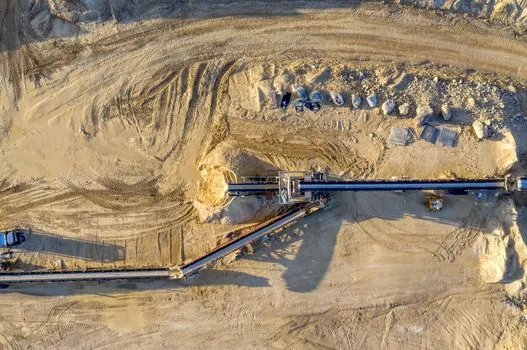
On the four criteria that drive a real selection: rotary drum wins on throughput headroom (up to 30+ t/h) and tramp-metal tolerance, but loses on footprint and outlet control. Fluidized-bed wins on outlet control and footprint, loses on capital cost and dust-system complexity. Vibrating spiral wins on footprint, dust enclosure, and capex, but loses on throughput ceiling and on hot sand above 200°C where trough metallurgy becomes the limit [S2][S3].
A spec-first shortlist: iron/steel shakeout above 5 t/h, drum; reclaimed silica or chromite lines, fluidized-bed with dedusting; non-ferrous and jobbing foundries 1-5 t/h, vibrating spiral. The number one disqualifier in every case is the vendor's refusal to publish a measured approach-temperature curve at design inlet [S4].
Standards, Sourcing, and What to Ask the Vendor
Cooler selection should reference the foundry's existing emissions and stack test baseline; regional ventilation and occupational dust rules apply, and any retrofit that pushes the baghouse past its rated air volume is a compliance risk. Insist on a performance curve, not a brochure: outlet temperature versus inlet temperature at three moisture points, plus measured stack dust in mg/Nm³ at the fan nameplate [S1][S3].
For budget filtering, nameplate kWh/t and m³-water/t are the two numbers that travel between suppliers; everything else tends to be project-specific. The buyer should also confirm spare-parts lead time on the drum tyres, fluidized-bed plate, and vibrating-motor bearings, since those three wear parts define uptime across a 5-10 year service life.
Adjacent Process Items to Tighten Alongside the Cooler
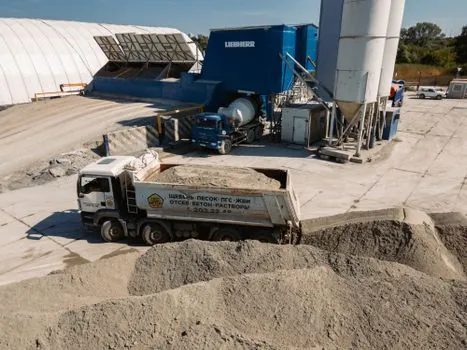
Sand temperature downstream is only half the problem; upstream, a sand mixer and resin sand line fed with over-temperature sand will pre-cure binder and waste resin, so the cooler is really protecting the muller and resin pumps as much as the sand casting mold station [S4].
A sand blasting machine loop that recycles its own abrasive will also need a cooler if dust load is high, but that is a different airflow and dust profile from a foundry return-sand line and should not be co-specified. Keep the heat-balance numbers, the dust stack figure, and the kWh/t number on one page; if any vendor cannot supply all three, the selection is not yet data-driven.
This topic is covered further in Stainless Steel Coil Cost Breakdown: OpEx, Grades, and 2026 Price Drivers.