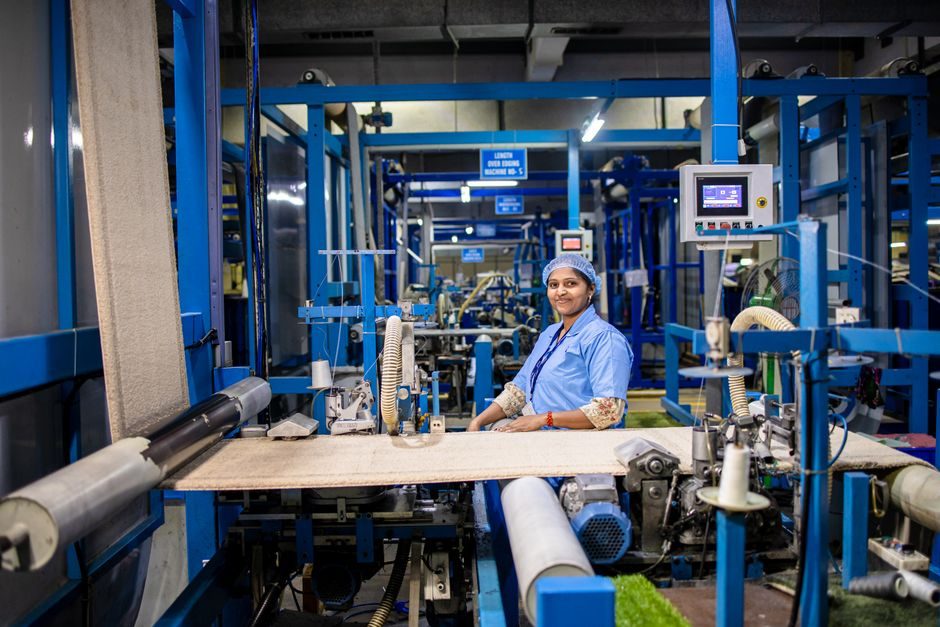
A shell core machine is sized by core weight and box footprint first, not by brand or control platform; sand thermal demand, resin class, and exhaust duty follow, then cycle time and finally automation tier.
This article walks the seven engineering gates a process engineer uses to spec a shell core machine for a new foundry line or a capacity expansion, and it lines the three common equipment architectures against the same criteria so procurement can score vendors on identical terms.
Gate 1 — Maximum Core Weight and Box Footprint
Shot weight and the parting-line-to-ejector envelope determine whether the machine is a bench-top unit, a mid-range shell core shooter, or a heavy-frame model. Foundries running cores above 25 kg generally need a frame size, platen area, and shot-cylinder bore that bench units cannot deliver; a 50 kg core typically requires a heated platen above 600 mm × 600 mm and a shot cylinder in the 80–120 mm bore range. Vendors publish shot weight as "max sand capacity," but the operating sweet spot is usually 60–70 % of that figure because cure time, vent layout, and sand flow degrade past that loading.
Box footprint also drives auxiliary choices: larger platens need oven-style cure chambers, larger exhaust hoods, and a core machine layout that allows the operator or robot to index the box without crossing the heated platen envelope. Spec the box envelope first, then re-derive every other gate from it.
Gate 2 — Cure Temperature and Resin Chemistry
Shell-process cores cure against a heated pattern (typically 200–260 °C for phenolic-novolac / hexa resins), and the platen heating system — electric cartridge, gas-fired platen, or oil-heated tool — must hold the pattern face within ±5 °C of the set point across the full footprint. Electric platens dominate new builds because they integrate cleanly with PLC closed-loop control, while gas platens still appear where natural-gas cost is low and pattern mass is high. A 2 °C drift across the platen face can push core hardness out of the 85–95 Shore A window that foundries target for handling and pouring survival.
Resin chemistry drives cure time directly: faster-cure novolac systems cut dwell from 90 s to 40 s on small cores, but they narrow the process window and demand tighter platen temperature control. Foundries running both furan and phenolic systems in the same shell molding machine bay should spec a platen with multi-zone control so the cure profile tracks each resin's heat-of-reaction curve instead of forcing the resin to track a single-zone set point.
Gate 3 — Sand Type, Grain Fineness, and Reclaim Compatibility

Silica sand (AFS 50–70) remains the default for shell cores, but chromite, zircon, and fused alumina appear where thermal expansion control or higher hot strength is required — for example, steel-mill runner cores and austenitic iron valve cores. Grain shape and binder demand drive the blow-head design: round-grain silica flows well through small vent passages, whereas angular chromite needs enlarged vents and a higher shot pressure to avoid rat-holing in the magazine.
Reclaim compatibility is a gate most quotations skip. Shell sand is typically attrited and re-coated, not thermally reclaimed like green sand, so the reclaim loop tolerance for fines, lost-on-ignition, and residual hexa must be specified when the cold box core machine on the same line feeds a different binder system. Mixing reclaimed shell sand into a phenolic-urethane cold-box line is a known route to scrap, so the spec must state what sand streams are isolated at the conveyor level.
Gate 4 — Cycle Time and Throughput
Cycle time is the product of three numbers: shoot time (typically 1–3 s), cure dwell (30–120 s depending on core mass and resin), and box index/close time (3–8 s for hydraulic, 1–2 s for servo). A small 5 kg core on a 60 s cure schedule plus a 2 s index and 2 s shoot lands at roughly 64 s per cycle, or about 56 cores per hour per station; two parallel stations double throughput without doubling floor space, which is why dual-station shell core shooters remain the default layout above 40 cores/h.
Spec cycle time from the foundry's takt requirement, not the vendor's catalog maximum. A 120 s cure on a 25 kg core is a process limit, not a machine limit, and pushing the machine to 80 s at that mass produces soft cores, post-cure blow, and shake-out problems that show up only on the pouring line — long after the equipment PO is closed.
Gate 5 — Exhaust, Ventilation, and Emissions

Shell core machines emit phenolic and amine decomposition products during cure, and the volume scales with platen temperature, resin loading, and cure time. A mid-range shell core station typically needs 2,000–4,000 m³/h of capture airflow sized to a 0.5–0.7 m/s hood face velocity; under-sized hoods trip operator complaints and fail the typical European threshold of 10 mg/m³ total dust at the operator station.
For foundries building or rebuilding lines in ATEX-classified zones, the heated platen, the sand magazine, and the dust collector all sit inside the area classification, and the hot box core machine variant (gas-catalyzed) adds a gas train that demands the same attention. Specify the dust collector, the after-filter (typically a pleated cartridge with PTFE membrane), and the exhaust stack height in the same RFQ as the core machine — otherwise procurement receives a clean line spec and a retrofit invoice six months later.
Gate 6 — Controls, Automation, and Data Interface
PLC-based control (Allen-Bradley, Siemens S7-1500, or equivalent) is the de facto standard, and HMI screens should expose platen zone temperatures, shot pressure profile, cure timer, exhaust damper position, and alarm history without drilling into menus. For lines destined for Industry 4.0 integration, the PLC must publish these tags over OPC UA or MQTT so the foundry's MES can pull cure-time distribution and alarm trends for SPC reporting.
Automation tier is a separate decision: manual load/unload, robotic load from a conveyor, or full rotary indexing. A six-axis robot loading a dual-station shell core shooter typically hits 8–12 s of index time and frees one operator per cell, but it also requires a guarded envelope, light curtains, and a safety controller rated to the same category as the rest of the cell. The capital step from manual to robotic is large enough that the ROI must come from labor and yield, not from cycle-time compression alone.
Gate 7 — Maintenance Access, Service Footprint, and Spare Parts
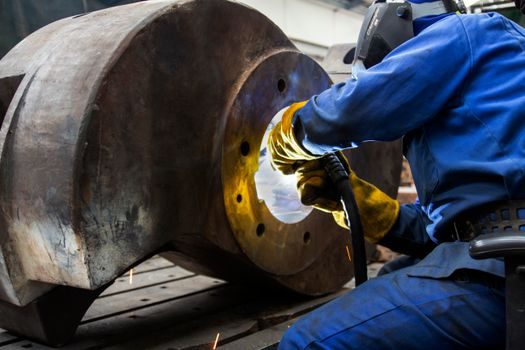
Platen cartridge replacement, shot cylinder seal service, exhaust fan bearing change, and dust-cartridge pulse-jet cleaning are the four maintenance events that determine whether a shell core machine can run three shifts. Each one should be reachable without removing guarding, and the cartridge replacement time on a mid-range unit is typically 30–60 minutes per zone — a number worth confirming before the PO, because it directly drives the foundry's planned-downtime calendar.
Spare-parts lead time, local distributor stocking, and the OEM's mean time to repair (MTTR) commitment belong in the same RFQ envelope as price. A machine with 24 h OEM phone support and 48 h parts dispatch is worth a premium over a lower-cost unit with 6-week international shipping, especially on a line that produces 600+ cores/day. Confirmed signal to watch on 2026-06-23: re-verify all seven gates against any drafted RFQ before release, and confirm the shell core machine vs hot box core shooter 2026 spec frame tie-break for any line that could run either process.