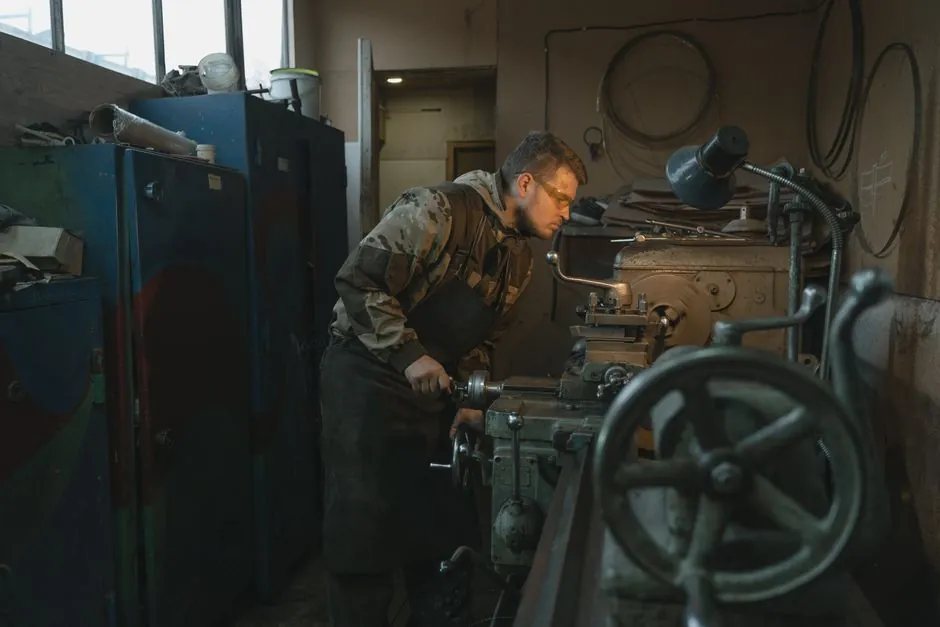
A shell core machine can produce stronger, more consistent cores than a conventional shooter-type machine when resin-coated sand, controlled shooting pressure, and heat curing are properly specified.
The comparison is not simply “shell versus shooter,” because a shell core shooter is itself a shooter-type machine. Strength depends on the binder, compaction, curing, core geometry, and whether the process creates a solid or hollow shell.
What determines shell core strength?
Shell core shooter machines shoot a mixture of sand and a resin binder into a mold, which is then heated to form a strong, hollow shell [S2].
Resin-coated sand is heated until the binder cures into a rigid shell. This thermal curing is the defining distinction from cold-box curing, where the material hardens at room temperature [S3]. The shell process is especially suited to large hollow cores, including pipe-hub applications [S7].
Core geometry changes the result. Hollow sections, thin walls, intricate details, and difficult ejection requirements affect material distribution and handling stress. Buyers should therefore assess core size, shape, wall thickness, and removal method before choosing equipment [S5].
Where shooter-type machines differ
A core shooting machine propels prepared mold material into a clamped core box at high speed. The sudden expansion of compressed air produces some compaction, after which the process applies the relevant hardening method [S3].
Core machines are divided into equipment for flowable dry shell materials, damp or dry materials, and continuous mixing. Flowable shell material is poured or blown into core boxes heated to 250–350°C, while additional pressure improves core hardness and surface quality [S3].
The comparison therefore depends on the material and machine category.
Shell core machine versus shooter comparison
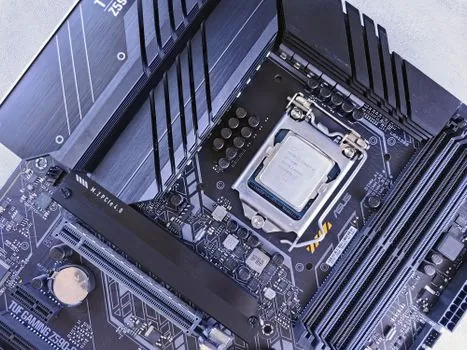
The shell route offers a direct path to high strength and surface quality when pressure, resin distribution, and thermal curing are controlled. A general shooter can produce equally suitable cores when its process, tooling, and material are designed for the same performance target. [S2]
Who should use each process?
A shell core machine is suited to foundries requiring precise hollow forms, detailed surfaces, and repeatable shells for complex castings. The process supports large hollow cores and specialty pipe-hub geometries [S7].
A manual core shooting machine is suitable for sample production, prototype development, repair work, or low-volume casting orders [S5].
The related comparison of sand-cored die-casting tooling and shell core shooters extends this equipment decision into tooling economics.
Cycle time, handling, and production limits
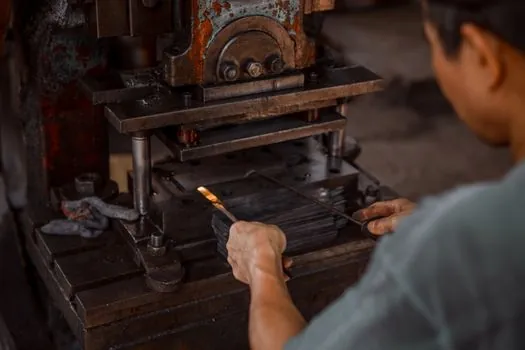
Heat curing adds controlled dwell time. Faster cycles therefore depend on machine design, material behavior, box temperature, and the required shell thickness.
Handling can damage a strong core before it reaches the mold. Shell molders with a 180° rotating core box drain excess resin-coated sand after shooting, supporting hollow-core production [S5]. Core size, shape, wall thickness, hollow sections, and the complexity of removing the core from the core box all influence the choice of foundry core-making equipment [S5].
Core strength is only one part of casting quality. Surface quality, dimensional accuracy, permeability, gas generation, thermal behavior, and metal-fill integrity must also be validated. Comparing machine size alone does not establish which route will deliver the better core [S5].
Specification questions for machine buyers
Specify the target core, not a generic strength claim. Record wall thickness, cross-section, length, mass, hollow geometry, production quantity, and acceptable defect rate. Then match the process to the material and confirm that the core box can be cleaned, sealed, heated, and indexed without damaging the shell. [S5]
For shooting equipment, verify the available pressure, core-box rotation, ejection method, conveyor handling, and changeover arrangement [S5]. For shell equipment, also specify curing temperature, dwell time, binder formulation, and how unused resin-coated sand is drained and recovered.
Downstream sand handling belongs in the same calculation.
Test both process routes against the same acceptance criteria. The stronger route is the one that consistently meets required core density, dimensions, surface finish, integrity, and handling performance under production conditions, not the route with the highest isolated material-strength figure.