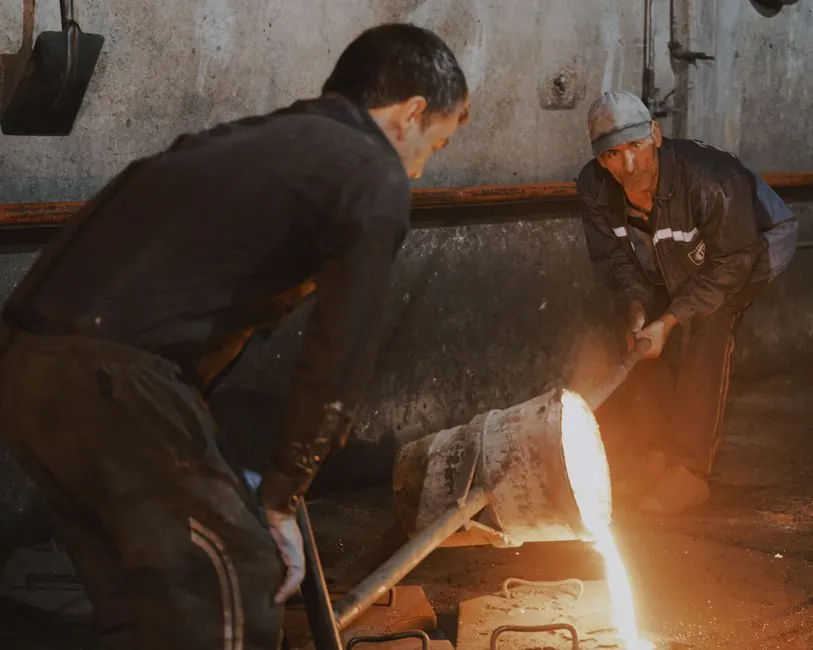
A shell core shooter can use less curing time than a hot box shooter because the shell process cures a resin-coated layer rather than a full solid core, with typical shell hardening times of 40–120 s [S3].
The comparison depends on binder chemistry, core-box temperature, core size, and required strength; a hot box production cycle can still use a shorter effective cure than a poorly controlled shell cycle [S1][S2][S3].
Why Shell Curing Is Usually Shorter
Shell core shooters create strong and smooth sand cores by applying heat to the shell's surface [S2]. A hot box shooter places resin-bonded sand in a heated box and thermally cures the binder into a rigid core throughout the sand mass [S1].
The published core-box temperature range for flowable mold material used in a hot core box is 250–350°C [S3].
By contrast, hot box curing requires sufficient heat penetration through the core section. Research on hot box parameter selection found that at a core-box temperature of 200°C, curing for less than 30 s created a risk of insufficient heating of olivine molding sand [S6]. That result does not establish a universal hot box cure time, but it shows why a hot box cycle cannot be judged by the shell-cycle range alone.
Hot Box and Shell Cycle Parameters
Hot box machines use a preheated core box and controlled heat to cure resin-bonded sand; available configurations include vertical-parted and horizontal-parted machines, while dual-purpose HS Series machines can produce either hot box or shell cores [S1]. The core-box temperature and cure time are adjusted for the resin formulation and sand mix rather than fixed by machine class alone [S2].
That 2-second requirement concerns filling, not curing, and should not be confused with the 40–120 s shell hardening interval [S3][S4].
A practical cycle comparison must therefore separate three intervals: sand placement, curing inside the closed box, and ejection plus handling. A shell machine may show a shorter cure interval, but its complete production time also includes the time needed to build the required shell thickness, eject the core, and clean the tooling [S2][S3].
Decision Criteria for Faster Curing
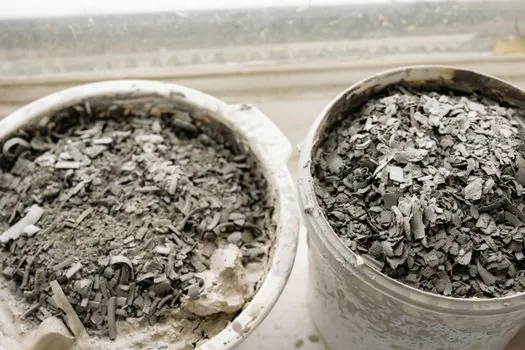
On cycle time alone, a shell core shooter generally wins because only the shell layer is thermally cured, while a hot box shooter must heat the resin-bonded core sufficiently to achieve a rigid result [S1][S2][S3]. That advantage is strongest when the required shell thickness is modest, the box reaches its process temperature quickly, and the binder has a short cure schedule.
On core geometry, the comparison changes. A hot box process forms the core body inside the box, which makes it more suitable when a full solid section and controlled dimensional accuracy are required [S1][S2].
On energy and tooling requirements, both methods use heat, so shell curing is not heat-free. The shell process applies heat at the box surface to cure resin-coated sand, whereas the hot box process transfers heat into resin-bonded sand to form the core [S1][S2]. Neither curing-time result can be transferred directly between machines without a trial on the actual resin, sand grade, core mass, and section thickness.
Where the Faster Process Fits
Shell core shooters create strong and smooth sand cores [S2].
Hot box shooters are the stronger fit for solid resin-bonded cores that need rapid thermal curing and automated handling in high-volume foundry layouts [S1]. ATD offers vertical-parted and horizontal-parted hot box core machine configurations, and its equipment can be configured with automated core handling, tooling, and temperature control options for different core designs, production rates, and plant layouts [S1].
Shell and hot box systems should not be judged by cure time alone when production continuity is the decision variable. The wider process comparison in Shell vs Hot Box Core Shooter: Same Core Output, Different Process Reality is useful for matching cycle behavior to core geometry and handling requirements.
Failure Modes When Cure Time Is Cut

The first failure mode is under-cure, which can leave resin incompletely polymerized and reduce core strength or cause sand grains to separate under handling and pouring conditions. Although cold box curing differs from thermal curing, the diagnostic principle is the same, no core passes on placement time alone.
The second failure mode is inadequate heat penetration. At 200°C, hot box curing below 30 s carried a risk of insufficient heating of olivine molding sand [S6].
The third failure mode is poor cavity filling. Shell core boxes should fill within approximately 2 seconds to reduce bridging and quality loss [S4]. Faster cure cannot compensate for a defective fill. The shell core shooter category therefore needs controlled shooting, heating, venting, and ejection rather than a cure timer alone.
How to Qualify the Cycle
Qualification should begin with the resin and sand system, then hold core-box temperature, shot condition, and core mass constant while reducing the cure interval. Check shell thickness and core strength at each trial point, with 40–120 s serving as the published shell reference range rather than a universal recipe [S3].
For a hot box machine, record the minimum time that achieves complete heat penetration at the critical section; a 30 s interval at 200°C may be insufficient for olivine sand [S6]. Compare total elapsed time from shot to usable ejection, including dwell, machine opening, scraper action, and transfer. The equipment reference for hot box core machines covers the surrounding handling functions that can dominate the apparent curing-time difference.
For a shell shooter, confirm that the box fills in about 2 seconds or less, reaches the selected process temperature, develops the specified shell thickness, and ejects without distortion [S3][S4]. The engineering conclusion is conditional but practical: shell normally cures faster than hot box for comparable geometry, yet the valid decision comes from validated strength, thickness, temperature, and total cycle data.
The next trackable signal is a controlled cycle-time trial that records shell thickness, core-box temperature, cure interval, ejection time, and minimum strength for one resin formulation. If the shell cycle cannot meet those criteria at 40–120 s, the process should be requalified rather than forced into a hot box cycle time [S3].