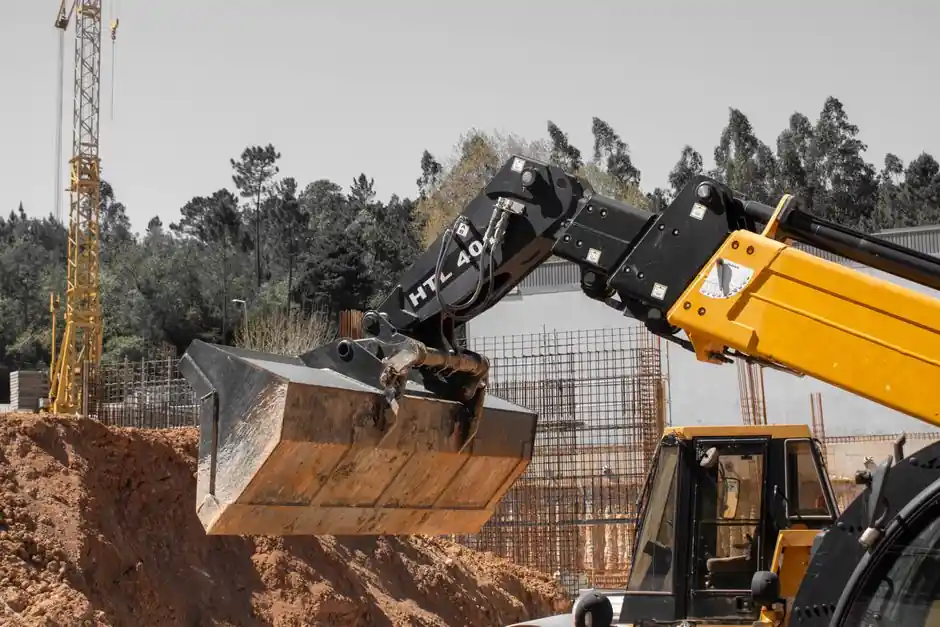
Wet-mix shotcrete machines in the 7.5-30 m3/h output class dominate new tunnel and structural concrete jobs because rebound drops below 10% and dust falls to a fraction of dry-mix levels, a result repeatedly tied to the wet process in industry guides [S2][S5].
The selection problem is narrow: pick a process (dry, wet, or semi-wet), pick a mounting (trailer, truck, robotic arm), and pick an output band that matches crew size and hose length. Each axis has different cost and compliance implications, and a wrong match shows up as blocked hoses, high rebound, or shotcrete that fails the compressive test [S2][S4].
Process Choice: Dry-Mix Gunite vs. Wet-Mix Pump vs. Semi-Wet
Dry-mix (gunite) machines meter cement and aggregate through a hose using compressed air, with water added at the nozzle through a water ring, a configuration that still dominates bagged-material repair work and refractory lining because the material stays dry in the line until the last 1-2 m [S4].
Wet-mix machines take pre-mixed concrete from a hopper and pump it through the delivery cylinder to the nozzle, which cuts dust and rebound but introduces a new failure mode: wet material can condense in the material tank and pipeline, causing blockages that are painful to clear [S2]. The semi-wet variant runs at 5-8% moisture in the mix, sitting between the two: less dust than dry, less sticking than full wet [S2]. For most new structural concrete and tunnel work, wet-mix is the default; for patch repair, pool shells, and refractory, dry-mix gunite with a predampener is still the workhorse choice [S4][S5].
Output Class, Motor Power, and Compressor Sizing
Entry-level electric-drive wet-mix rigs such as the HWSZ-10S/E deliver 10 m3/h at 7.5 kW motor power, which suits small crews and short hose runs on building sites [S1]. Truck-mounted units scale up to 30 m3/h and require high-power diesel engines to maintain pressure across longer hose distances [S2].
Compressed air is the other half of the equation: dry-mix guns and predampening systems both depend on a stable air supply, and dust control at the nozzle falls apart when the compressor is undersized for the aggregate grading. The control system on a modern rig bundles an electrical cabinet with start/stop, additive pump, and on-board compressor interlocks so a single operator can hold a consistent w/c ratio across a shift [S2][S6].
Mobility and Mechanisation: Trailer, Truck, Robotic Arm
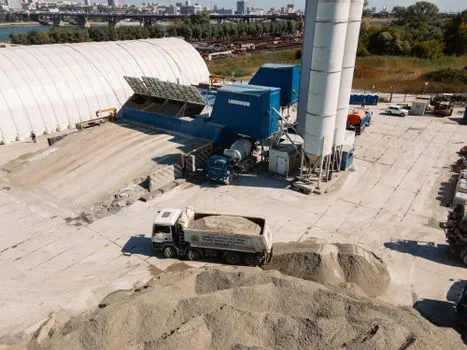
Trailer-mounted machines handle medium and short-distance moves on a single site, while truck-mounted shotcrete machines add a high-power engine and are built for long-distance relocation between tunnels, mines, or highway sections [S2].
For large-section tunnels and caverns, a robotic shotcrete arm mounted on a robust chassis carries the nozzle, concrete pump, additive pump, and on-board compressor in one package, which is the configuration Putzmeister lists for mechanised productivity and operator safety [S6]. Smaller decorative and vertical-overlay jobs still use a portable gun with a 40-foot (about 12 m) material hose, the format that defined the QuikShot vertical-mix unit priced at $7,200 for the decorative concrete market [S3].
Concrete Quality Drivers: Rebound, Hydration, Adhesion
Shotcrete achieves a higher degree of concrete hydration than cast-in-place because the impact velocity at the nozzle consolidates the mix against the substrate, which is part of why it is specified for overhead and vertical work where formwork would be uneconomic [S2][S4].
For related guidance on mix design and admixture effects on hydration and pumpability, see the cement and concrete reference and the concrete admixture selection map.
Equipment Stack: Pumps, Guns, Predampeners, Nozzles
A complete dry-mix stack combines a gunite machine (pressure vessel, rotary gun, or rotary bowl), a predampener, a material hose, and a nozzle fitted with a water ring; the three common dry-mix gun types each have a defined job envelope, with rotary bowl units typically handling higher-volume pool and mining work [S4].
A complete wet-mix stack uses a concrete pump, an additive pump for accelerators or viscosity modifiers, a spraying arm or hand-held nozzle, and the same control-system interlocks. Combination mixer-pump units, gunning machines, dosing pumps, and mixing machines round out the equipment list used by specialist shotcrete contractors [S5][S6]. For a broader view of the machine category including chassis and arm options, see the shotcrete machine encyclopedia entry.
Selection Criteria and Comparison Table
Four criteria separate the three main options for a typical concrete job: [S4]
Dry-mix gunite: best for repair, refractory, and small patches; lowest equipment cost; rebound 10-25% without a predampener; needs a compressor and a skilled nozzleman [S4]. Wet-mix pump: best for structural walls, tunnels, pools at scale; rebound under 10% with correct mix; output 7.5-30 m3/h; risk of pipeline blockage if mix sits [S1][S2][S5]. Semi-wet: a middle ground for sites that want lower dust than dry but no full wet-mix logistics; 5-8% moisture in the mix [S2].
Match the output to crew size: a 10 m3/h electric rig is the right size for a 3-4 person crew on a building site, while a 30 m3/h truck-mounted pump needs a full placing crew and a reliable concrete supply [S1][S2]. For structural concrete, wet-mix is the default; for refractory and patch repair, dry-mix gunite with predampening is still the standard pick.
Failure Modes and Field Constraints
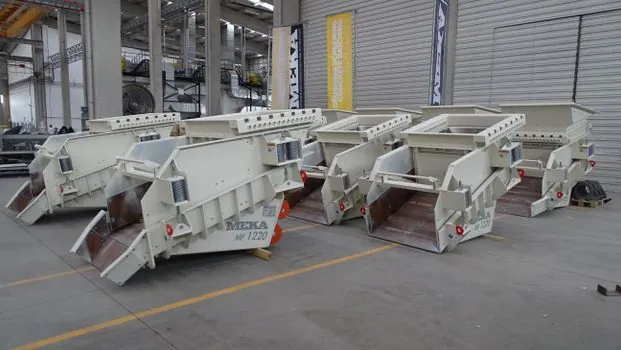
Three failure modes account for most field downtime on shotcrete work: dry-mix nozzle wear and water-ring plugging (which produces sand lensing and layered, weak shotcrete), wet-mix pipeline blockage from sitting material, and predampener over- or under-watering that wrecks the w/c ratio at the substrate [S4].
Hose length is a hard physical limit: a 40 ft (about 12 m) hose suits decorative vertical work, but tunnel and slope jobs typically need 50-100 m of material hose, which forces the move to a higher-output pump and a more powerful compressor [S2][S3]. Crews running dry-mix without a predampener also accept higher static-shock risk at the nozzle, a hazard that predampening largely eliminates [S4].
Standards, Sourcing, and What to Verify
Shotcrete work in North America typically follows ACI 506, "Guide to Shotcrete," which covers both wet- and dry-mix processes and is the reference most inspectors cite on structural pool, tunnel, and repair work; refractory installations usually layer ASTM C860 and C865 on top for gunite refractory work. Verify any standard edition against the project specification, since mix-design, testing, and nozzleman-certification clauses change between revisions. [S4]
On sourcing, the global shotcrete machinery market is dominated by Putzmeister, Sany, Zoomlion, Liebherr, Schwing, CIFA, XCMG, Sika, Normet, Reed, Turbosol, and Jiuhe, with strong regional manufacturing concentrated in China, Germany, and Italy for the wet-mix pump segment [S2]. Track two signals before purchase: published output at the rated motor power (for example, 10 m3/h at 7.5 kW on the HWSZ-10S/E) and confirmed availability of wearing parts such as wear plates, delivery cylinders, and nozzle tips [S1][S2].
For related equipment selection on construction sites, see the gearbox selection for steel mills spec map and the pile driver selection for landfill operations guide.