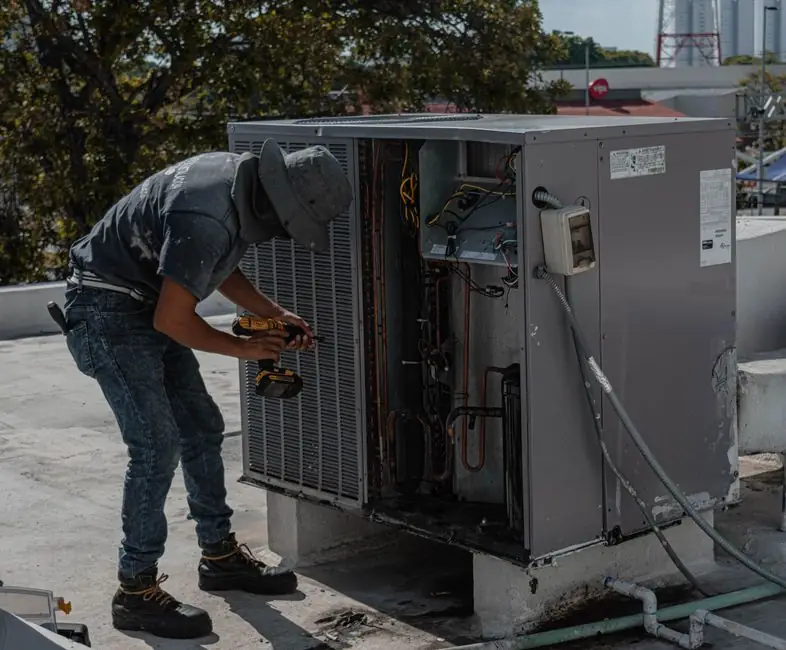
Wet-process shotcrete machines with 3-9 m3/h output and rotor or piston pumping are the workhorse pick for HVAC duct encasement, fireproofing of mechanical rooms, and poured rooftop equipment bases, where slump retention above 120 mm and steady pressure of 0.5-0.7 MPa keep rebound under 10 percent [S3].
Dry-process guns remain relevant for small patch repairs and remote shaft work below 1 m3/h, while skid-steer-mounted mixer-pump combinations cover confined residential mechanical rooms where a 1.5-tonne wet rig cannot enter [S2][S3].
Match Process Type to Mix Volume and Slump
Wet-process shotcrete is the correct default when the daily pour exceeds 4 m3 and the mix contains 6-12 mm aggregate, because pre-mixed concrete keeps the water-cement ratio stable at 0.42-0.48 and delivers 28-day compressive strength above 35 MPa with rebound controlled to 5-10 percent [S3].
Dry-process guns still earn their place for emergency leak sealing and small fireproofing patches under 1 m3/h, since the operator controls the water addition at the nozzle, but dust at the nozzle and rebound above 20 percent make them uneconomical for full HVAC encasement runs [S1][S3].
Output, Pressure and Pumping Architecture
Rotor-type wet machines typically deliver 3-7 m3/h at 0.5 MPa and handle a maximum aggregate size of 16 mm, which covers the bulk of HVAC encasement work; piston-type pumps reach 9-15 m3/h at 0.7 MPa for base pours above 8 m3 per shift [S3].
For horizontal conveying over 60 m or vertical lifts above 15 m, the booster line size should grow to 65 mm ID, and the pump must hold continuous pressure above 0.6 MPa without stalling, since pressure drops below 0.4 MPa cause segregation of the 6-12 mm aggregate and rebound spikes above 25 percent [S3]. The same delivery-distance logic that drives scaffolding selection for HVAC installation: tower, modular, and rooftop frame rules applies here: undersize the pump and the line chokes, oversize it and the mix separates.
Comparison of Main Shotcrete Machine Types for HVAC
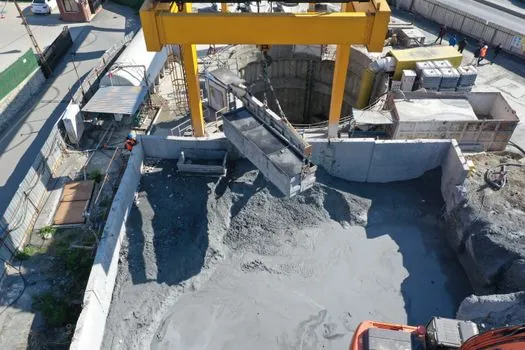
Process type, output, slump range, and HVAC task suitability line up as follows for the four configurations an installer will actually consider:
Dry-process rotary gun (AC-1 class): 1-3 m3/h output, no slump control at the nozzle, aggregate up to 10 mm. Suits emergency leak sealing on chilled-water pipe chases and small fireproofing patches; unsuitable for full duct encasement or rooftop bases [S1].
Dry/wet convertible universal rig (AC-3 class): 4-8 m3/h output, rotor or small piston pump, aggregate up to 16 mm. The workhorse for mechanical-room walls and service-corridor duct encasement where the same machine must run both fireproofing mix and structural repair mix [S1].
Wet-process high-output rig (AC-5 class): 6-12 m3/h output, piston pump, 120-180 mm slump, 35-50 MPa 28-day strength. The right answer for large rooftop equipment bases and chiller-yard walls above 10 m3 per pour [S1].
Skid-steer mixer-pump combination: 1.5-3 m3/h output, mounted on a 1-2 tonne carrier, fits through 900 mm door openings. The only viable option for retrofit work in finished residential mechanical rooms and tight retrofit shafts [S2]. A compact machine here also pairs well with the access strategy laid out in aluminum ladder selection for HVAC install: 2026 spec map, since the same confined-route constraint drives both picks.
Hazardous-Area and Fire-Resistant Lining Requirements
ATEX-rated variants with capacity control and flow-metered liquid-additive dosing are specified for gas-metering rooms and boiler houses where the shotcrete rig operates within 5 m of a Zone 1 boundary, and the same enclosure accepts cementitious fireproofing at densities above 1.8 t/m3 for 2-hour ratings on structural steel [S1].
For duct encasement passing through a fire-rated assembly, the same machine that places the structural encasement can spray the fire-resistive lining, provided the mix density stays above 1.8 t/m3 and the application thickness per pass is limited to 40-50 mm to avoid slough-off on vertical or overhead surfaces [S1].
Acceptance Criteria and Common Failure Modes
A correctly selected wet-process rig should hold rebound under 10 percent, sustain 0.5-0.7 MPa line pressure through a 50 mm ID hose at 40 m, and finish a 6 m3 pour with 28-day cylinder breaks above 35 MPa; failure to meet any of those three points means either the pump is undersized, the hose ID is too small, or the mix design has slipped outside the 0.42-0.48 water-cement window [S3].
Do not attempt to repair a rotor housing with worn stator blades in the field once clearance exceeds 0.4 mm or output drops 15 percent: the rotor-stator pair is a matched wear set, and rebuilding on-site with hand-lapping will not restore the original 0.05-0.10 mm tolerance [S3]. Replace the assembly as a unit and log the wear-measurement date on the machine's service record.
Standards, Sourcing and Lifecycle Costs
European HVAC encasement work typically references EN 14487 for sprayed concrete and EN 14488 for in-place testing; equipment-side pressure-vessel conformity on the air receiver usually falls under the Pressure Equipment Directive, and the sprayed concrete operator qualification is a separately certified track under EN 14487-2 [S3].
Lifecycle cost swings widely: 10-year framing warranties and 1-year machine warranties on European-built rigs are common, and documented maintenance programs from the manufacturer can cut operating cost by 45 percent over the unit's service life, on top of rebound and material waste reductions near 60 percent when operators are factory-trained [S1]. These figures are aggressive, and you should validate them against your own utilization hours before signing a service contract, since they assume two trained nozzlemen and a defined mix-design discipline that not every HVAC contractor maintains. For the related question of how the same encasement steel gets bent on-site, see rebar bender specs for HVAC installation: 2026 selection guide.
Track two signals over the next 12 months: factory-train one nozzleman and a pump operator on the chosen rig before the first encasement pour, and hold a side-by-side trial of a 4 m3/h rotor unit against a 7 m3/h piston unit on a 30 m3 base pour; the rebound mass collected on tarps and the 28-day cylinder breaks will tell you in one shift whether the spec matches the site reality.
Component reference pages worth checking: shotcrete machine, marine hvac, and coding machine.