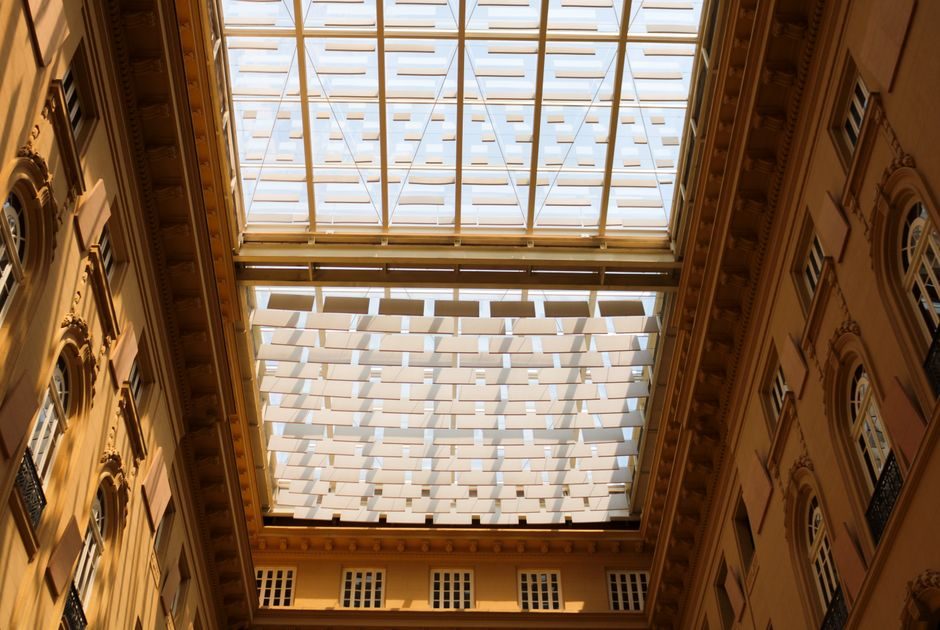
A skylight is a roof-plane glazing unit that brings daylight into interior rooms that cannot accommodate vertical windows, while a system window and door assembly is a code-driven, weather-sealed vertical envelope package built around profiles, gaskets, and hardware [S1][S3]. The two products are not substitutes; they solve daylighting and access/ventilation problems in different planes of the building envelope, and the 2026 procurement spec for industrial, commercial, and residential builds keeps them on separate BOQ lines.
Skylight-area engineering is governed by roof-strength constraints: conventional configuration keeps skylights to 3%–5% of roof area, with more than 5% triggering indoor heat-radiation load and weakened roof stiffness that requires re-engineering of the metal roof [S5]. Vertical system windows and doors are governed by NFRC/energy, AAMA/WDMA/CSA 101/I.S.2/A440 performance classes, and air/water/structural test cycles that have nothing in common with the roof-deck point-loading design of a skylight.
Plane of Installation: Roof vs Vertical Envelope
A skylight is set into the roof deck, often a pitched or flat metal roof, and is flashed against standing-seam or membrane weather barriers; FRP resin light plate + matching steel edge + waterproof rivet + high weather-resistant cement + transparent pearl cotton is one documented 2026 roof-skylight material stack [S5]. System window and door sets are anchored to the vertical stud or masonry opening, with a nailing fin or strap anchor tying the frame back to structure and a separate WRB/sill-pan detail handling water management. Readers comparing the system window and door category against skylight units need to keep these two load paths separated at the schematic stage, not at the trim stage.
Roof-plane skylights must coexist with the roof's thermal movement: point-lighting design preserves roof stiffness and matches the metal roof's linear expansion, which is why curb-mounted or deck-mounted skylights specify a separate curb that floats with the deck rather than a frame that is rigidly welded to it [S5]. Vertical system windows sit in a stationary opening, so thermal movement is absorbed in the head expander and mullion stack, not in a separate curb.
Daylighting Performance and Glazing Area
Skylights' core value proposition is delivering daylight into rooms that lack a suitable vertical wall: interior bathrooms, corridors, stair cores, and north-facing rooms with no external wall become daylit only via a roof opening [S1]. Tubular skylight models from Velux and Crystalite specifically target small footprint, single-storey interior rooms where a fixed or venting skylight would be over-sized, and 2026 product lines still split the category into fixed, venting (manual or motorized), and tubular daylighting devices [S1].
System window and door packages use a different metric. Their daylight contribution is measured against vertical glazing area, NFRC U-factor/SHGC/VT ratings, and project energy budgets (Title 24, IECC, ASHRAE 90.1). The daylight gain from a 1.2 m × 1.2 m skylight is not equivalent to a same-area vertical window because of roof-to-ceiling light-pipe geometry and seasonal solar angle, which is why interior-daylighting rooms are typically specified as a separate "skylight scope" rather than folded into the window schedule.
Material and Frame Comparison
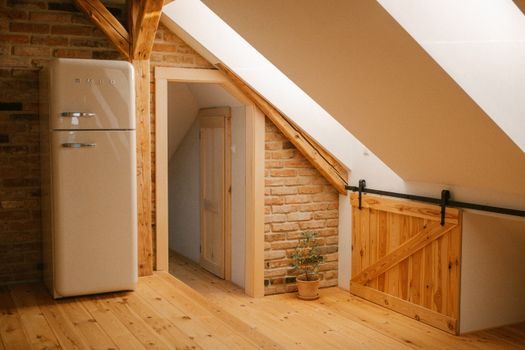
Skylight frames in current 2026 manufacture run wood, aluminium, and PVC, with the 2026 made-in-China Series 203-3 wooden skylight/roof window offering 500,000 pcs/month capacity as a reference scale for industrial buyers [S4]. Aluminium-clad wood is the most common premium combination, giving interior wood finish with exterior weather durability. FRP-based point-lighting skylights on metal-roof industrial sheds are an entirely different family, optimised for impact resistance and low cost per square metre [S5].
System window and door frames use a wider materials mix: aluminium (thermally broken), uPVC, wood, wood-clad, and fibre-glass, paired with insulated glass units (IGUs) with low-E, argon fill, and warm-edge spacers. Buyers cross-shopping the aluminium window and door category against skylights should expect a thermally broken aluminium frame to cost more than a basic wood skylight frame but to deliver a lower whole-window U-factor because the multi-chamber IGU stack is more mature than the typical double-glazed skylight IGU.
Operation, Ventilation, and Motorisation
Skylights come in fixed, manual venting (crank or pole), and motorised venting variants; 2026 motorised options use safe 12 V DC or battery-driven RF remote openers with a stainless steel retractable chain and threaded rod concealed in a housing, specifically marketed for self-installation on awning, casement, hopper, clerestory, and single-hung windows as well as skylights [S6]. The 12 V DC architecture is shock-proof by design, which is the reason it is specified for residential retrofits and child-accessible rooms.
System window and door motorisation covers awning, casement, sliding, lift-and-slide, and tilt-turn geometries, and it integrates with facade BMS protocols (BACnet, KNX, Modbus) for high-rise commercial projects. The chain-driven 12 V DC actuators sold for residential skylight retrofits are not the same product class as commercial-grade 24 V or 230 V concealed operators with positional feedback and end-of-line diagnostics; buyers should not collapse both into a single "motorised opening" line item.
Code, Testing, and Certification Path
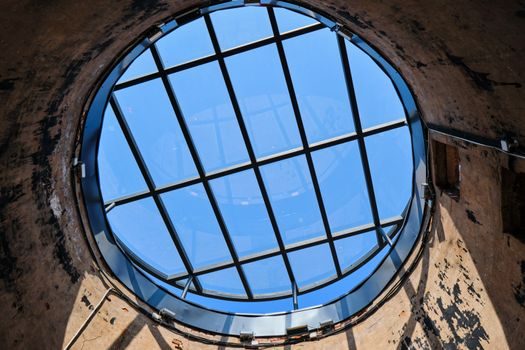
Windows, doors, and skylights share a common test family for water penetration, air leakage, structural performance, and forced-entry resistance, and the 2023 Intertek published test-method overview still defines the current baseline for all three categories. The 2026 procurement reality is that the same AAMA/WDMA/CSA test report format is used, but skylight-specific ratings (sloped glazing uplift, condensation resistance at cold-soffit interface) are added on top of the standard vertical window schedule. [S1]
For import/export paperwork, the China customs HS-code lookup for "skylight-window-frames" returned no direct HS-code match on 2026-05-08, which means brokers currently classify skylight frames under the broader aluminium or wood window-frame HS lines plus a separate glass HS code, and any "CCC" or anti-dumping determination has to be re-pulled for the actual frame material [S2]. System window and door sets have stable HS codes (aluminium, wood, uPVC) that clear customs without the manual classification step that skylight frames still require.
Use-Case Decision Matrix
Decision criterion 1: which envelope plane needs light or access? Interior rooms with no external wall → skylight only. Façade daylight, egress, ventilation, and access → system window/door only. Decision criterion 2: roof load budget? Conventional builds hold skylights to 3%–5% of roof area; above 5% the metal roof needs structural re-check [S5]. Façade system windows and doors have no equivalent "5% of wall area" trigger. Decision criterion 3: water management? Skylights fight gravity through curb flashing and membrane turns; vertical system windows fight gravity through sill pans, nailing fins, and head flashings. Both fail for different reasons when the wrong detail is used.
Decision criterion 4: motorisation and controls? 12 V DC RF chain actuators fit residential skylight and small window retrofits at low cost [S6]. High-rise commercial facades require 24 V/230 V concealed operators with BMS feedback. Mixing the two on a single BOQ line is the most common 2026 procurement error I see on Chinese-export residential projects, where the same item code gets stamped against a Velux chain drive and a Schüco concealed motor.
Limitations and Failure Modes
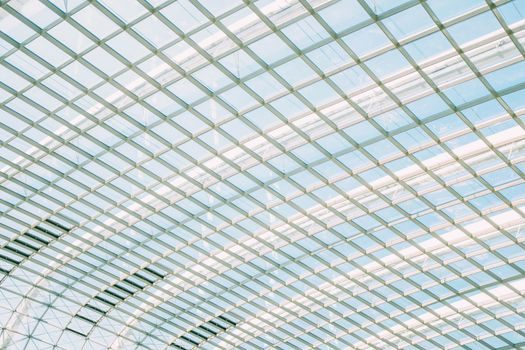
Skylights fail primarily at the curb-to-roof interface: standing-seam clamp failure, ice-dam back-up, and condensation at the cold underside of the glazing. The 3%–5% roof-area limit exists because beyond 5%, the indoor heat-radiation load rises and the roof stiffness drops below typical metal-roof design margins [S5]. System windows and doors fail primarily at the sill pan (water in), at the IGU seal (fog), and at the hardware (operator gearbox wear), and they have no equivalent area-limit trigger.
Skylight frames in wood need exterior capping or aluminium cladding; an unfinished wooden skylight frame exposed to weather in a coastal or industrial atmosphere has a much shorter service life than an aluminium-clad system window. Buyers specifying Series 203-3 wooden roof windows for a coastal site at 500,000 pcs/month scale should treat the exterior cap as a mandatory part of the order, not an option [S4].
Specifying a fire-rated door or a fire door assembly in the same envelope scope has no interaction with the skylight selection; the two are decoupled by code. A 2026 specifier should keep the fire-door schedule on its own sheet and the skylight schedule on its own sheet, and only cross-reference them in the life-safety drawing package.
The two related reference cuts that the buyer-side specifier should also pull are the Magnetic vs Additive Manufacturing Material: 2026 Spec Cut for frame-fabrication sourcing and the Plastic Pallet vs Turnover Box: 2026 Spec Cut for site logistics, because skylight glass is high-shatter-risk in transit and the wrong pallet picks cost more than the frame.
Trackable 2026 signals: China customs re-classification of "skylight-window-frames" (current search returned no direct HS-code match on 2026-05-08 [S2]); Amazon.in skylight and roof-window SKUs continuing to grow in 16+ result counts (2026-06-18 snapshot); and roof-area engineering guidance holding the 3%–5% limit for industrial skylight layouts (2026-04-21 spec [S5]). A specifier watching the next quarter should re-check those three nodes before locking the BOQ.