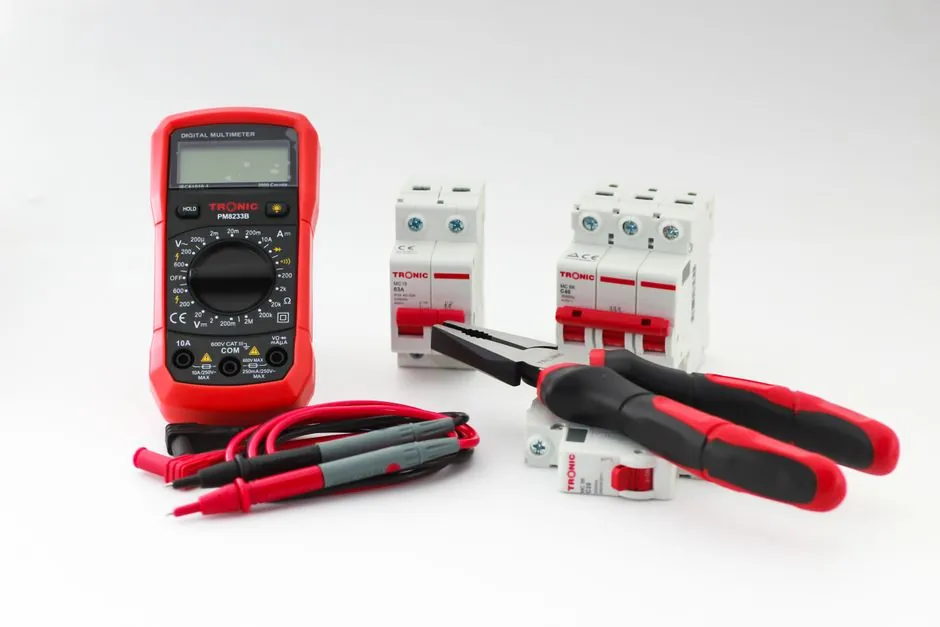
The 2026 smart meter market is led by Landis+Gyr, Itron, and Honeywell by revenue, with Kamstrup, Badger Meter, Diehl Metering, Aclara (Hubbell), ABB, and Neptune Technology Group as the next tier of recurring utility suppliers [S6][S3][S5].
Smart residential meters from these vendors are the two-way communication endpoints that utilities use to build advanced metering infrastructure (AMI), and the bill-of-materials spans metrology, a communication module, and a sealed enclosure that must pass type-testing in each market [S1].
Demand-side leaders and what each one actually ships
Landis+Gyr (Zug, Switzerland, founded 1896) operates in more than 30 countries, partners with over 300 utilities, and has deployed more than 7 million smart meters in the United Kingdom through large-scale smart metering programmes [S3].
Itron (Liberty Lake, Washington, founded 1977) is the dominant North American AMI supplier and lists smart residential metering as a top product category, with utility-grade two-way communications as the headline feature [S1][S3].
Kamstrup (Denmark) is described as a world-leading manufacturer of system solutions for smart energy and water metering, and is ranked in the US top 5 alongside Badger Meter, Mueller Systems, Diehl Metering, and Neptune Technology Group [S3][S5].
Honeywell International and Siemens are also routinely listed among global majors; Londian, a Chinese supplier founded in 1996, claims more than 30 million smart meters delivered and reports a 2024 shipment split of 20 million to China, 5 million to Europe, and 1.8 million electricity meters to other markets [S3][S4].
Supply-side: contract manufacturers and the automation stack behind them
Bitron is a major European electronics contract manufacturer of energy and gas smart meters, with production capacity that supports the EU's residential and small-commercial rollouts [S7].
Invio Automation builds the custom assembly lines that meter OEMs and EMS partners run, covering high-speed small parts assembly, dispensing and potting of adhesives for PCB protection, PCB placement with electrostatic control, resistive/laser/ultrasonic welding, 100% vision inspection, and automated leak testing of sealed enclosures [S2].
Invio positions the offering as scalable from high-mix/low-volume to high-volume, with quick recipe changeover and more than 65 years of industrial automation experience across its engineering base [S2]. For a smart meter buyer, that supply-chain layer matters as much as the brand on the bezel, because the same metrology module can be built in different ways depending on which CM and automation integrator the OEM uses.
Selection criteria: protocols, certifications, and what the spec sheet actually says

Selection criteria worth ranking on: AMI communication stack (RF mesh vs cellular IoT vs PLC), metering accuracy class under the regional type-test regime, cybersecurity certification (ISO/IEC 27001:2022 is held by Londian's facility and is increasingly a tender requirement), and field serviceability [S4][S5].
Mordor Intelligence notes that US utility buyers tend to prefer RF mesh in dense territories and cellular IoT in wide rural footprints, with the choice driven by existing tower coverage and storm-resilience requirements on the network [S5].
International certifications buyers will see on data sheets include MID (Measuring Instruments Directive), DLMS, STS, KEMA, ISO 9001:2015, ISO 14001:2015, ISO 45001:2018, and ISO/IEC 27001:2022; Londian's facility lists all of these as active certificates [S4]. Buyers sourcing meters into the EU should not accept a meter without a valid MID attestation, and DLMS compliance remains the de facto interoperability baseline for European tenders.
Comparison of the main supplier archetypes
Vertically integrated OEM (Landis+Gyr, Itron, Honeywell, ABB): strongest R&D, owns the metrology IP, typically highest unit price, and the broadest utility reference base, including the 7 million-plus UK deployment by Landis+Gyr [S3].
Specialist metering OEM (Kamstrup, Badger Meter, Diehl, Neptune, Sensus, Aclara): focused on energy, water, or heat, with deep type-test expertise in their niche; Badger Meter is one of the leading suppliers of smart metering solutions for water consumption globally [S9].
Chinese volume OEM (Londian and peers): cost-competitive hardware at scale, MID and DLMS certified, well-suited to AMI rollouts in Africa, Southeast Asia, South America, and parts of Europe, where 5 million Londian units shipped in 2024 [S4].
Contract manufacturer / EMS (Bitron in Europe being a named example): produces on behalf of utility brands, useful when the buyer wants hardware that meets EU type-testing but is sourced through a non-branded channel [S7].
For most utility procurement teams, the decision tree is: pick the metrology OEM first, then validate the supply chain through the EMS or in-house factory, then confirm the AMI head-end is compatible with the existing billing and outage systems.
Real use cases and where each archetype wins

Large national AMI rollouts in the US and UK favour Landis+Gyr and Itron because of proven deployment playbooks and integration with existing utility head-ends [S3][S5].
European district heating and water networks are Kamstrup's traditional strong suit, while North American water utilities are served by Badger Meter, Mueller Systems, Diehl Metering, and Neptune Technology Group [S5][S9].
High-volume tenders in Asia, Africa, and South America go to Chinese OEMs like Londian that can ship multi-million-unit lots per year, with the 2024 split of 20 million units to the domestic market and 5 million to Europe showing the scale [S4].
Buyers looking for OEM-grade metering without taking on a branded vendor relationship can route through a contract manufacturer like Bitron, which builds meters for utility brands rather than selling under its own name [S7].
Failure modes, constraints, and what goes wrong on a bad spec
The most common failure mode in this category is AMI interoperability drift: a meter passes bench tests, but the head-end rejects its DLMS/COSEM profile, leaving the utility with stranded endpoints; insisting on a DLMS conformance certificate and a head-end integration test on the actual lot is cheaper than retrofits. [S4]
Enclosure seal integrity is another chronic pain point, which is why automated leak testing of every unit is built into the production line at the automation integrator level rather than relying on sampling [S2]. A meter that breathes will fail MID in-service verification within 12-24 months, depending on climate.
Cybersecurity is now a tender disqualifier in several EU member states; ISO/IEC 27001:2022 at the manufacturing site, combined with a secure boot chain on the meter firmware, is the typical requirement set, and Londian lists ISO/IEC 27001:2022 as an active certificate for its facility [S4].
For readers weighing broader instrumentation decisions, the smart valve positioner and smart camera categories share similar cybersecurity and firmware-management concerns, so the same vendor audit checklist can be reused with minor edits.
Trackable signals to watch next
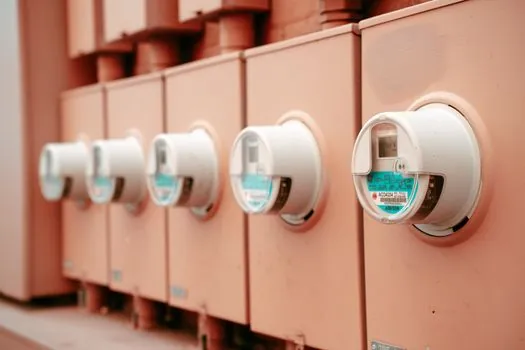
Two signals will tell you whether the supplier map is shifting again: any new entrant breaking into the Mordor Intelligence US top 5, and the next published shipment split from a Chinese volume OEM like Londian (their 2024 split of 20M China / 5M Europe / 1.8M other is the current baseline) [S5][S4].
Third, watch whether Bitron or peers add named AMI software partnerships, since contract manufacturers are increasingly expected to ship with a certified head-end integration rather than just hardware [S7]. Related sourcing context for adjacent categories sits in this casting mold specs for hardware manufacturing breakdown, which covers the steel and envelope decisions that drive the meter housing itself.