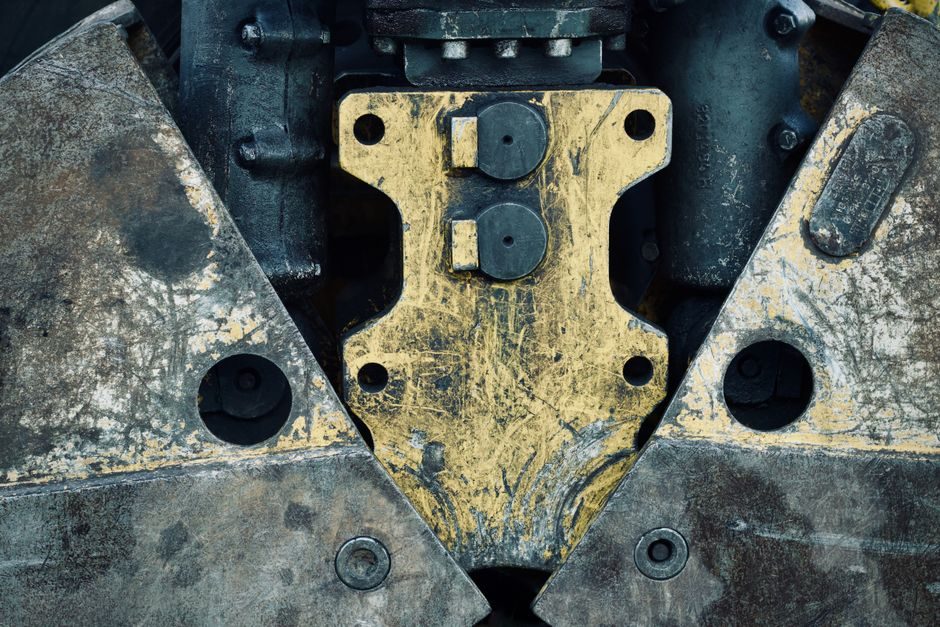
Squeeze casting and hot chamber die casting solve different production problems: the first is a slow, high-pressure solidification process for structural aluminum and brass castings, the second a fast-cycling injection process for low-melting zinc and magnesium alloys [S1][S3][S5].
Hot chamber machines keep the melt inside an integrated gooseneck and shot cylinder, so cycle times drop to single-digit seconds; squeeze casting presses molten metal into a die with a controlled hydraulic ram and holds pressure through solidification, trading cycle speed for near-zero porosity and heat-treatable mechanical properties [S1][S3]. A squeeze casting machine cell typically runs 1–4 shots per hour, while a hot chamber die casting machine routinely cycles 100–500 shots per shift on small zinc hardware.
Process Mechanics: Where the Two Paths Diverge
In a hot chamber die casting machine the molten metal sits inside a furnace-integrated injection system, and a plunger forces the alloy through a gooseneck into the die cavity in a fraction of a second; this layout eliminates cold-chamber ladling and is the reason hot chamber cells dominate zinc and magnesium hardware [S1]. Typical clamping tonnage on hot chamber machines sold through major Chinese channels runs from 16 tons up to roughly 180 tons, with the 25-ton SH-25 zinc machine being a common small-format workhorse (CENS, 2026-05) [S3][S4].
Squeeze casting uses a horizontal or vertical hydraulic press to push molten aluminum, brass, or copper alloys into a re-usable die under controlled velocities and pressures, then holds the pressure during solidification to collapse shrinkage porosity (HYBERS, 2026-06-25) [S3][S5]. Because the fill is slow and pressure is sustained, the resulting casting approaches forged density and is weldable, heat-treatable, and routinely used for structural automotive and valve components [S5]. A die casting machine family overview, including cold chamber variants, frames the squeeze casting option as a specialty branch on the high-pressure end of the spectrum.
Alloy, Temperature and Material Suitability
Hot chamber die casting is reserved for low-melting alloys: zinc (melting point ≈ 420 °C), magnesium (≈ 650 °C), and limited lead/tin hardware, because the immersed plunger and gooseneck cannot tolerate higher-temperature melts such as aluminum (≈ 660 °C) or copper-rich brass [S1][S3]. The 16–180 ton hot chamber range published by HYBERS lines up directly with these low-melting alloys, where injection forces stay modest and shot weights are typically a few grams to a few kilograms [S3].
Squeeze casting is specified where the alloy is hotter and the part is structural: aluminum, brass, bronze, and selected copper-rich compositions, with melt temperatures commonly in the 600–900 °C range, depending on the alloy system [S5]. The published squeeze casting cell built for brass (CENS, 2026-04-23) confirms the brass-centric positioning, and the magnesium die casting machine class is the magnesium counterpart that bridges both worlds at the lower end of the alloy table. For foundries evaluating gravity-tilt alternatives, the gravity die casting machine reference covers the no-pressure baseline these two high-pressure processes outperform.
Pressure, Cycle and Mechanical Property Output
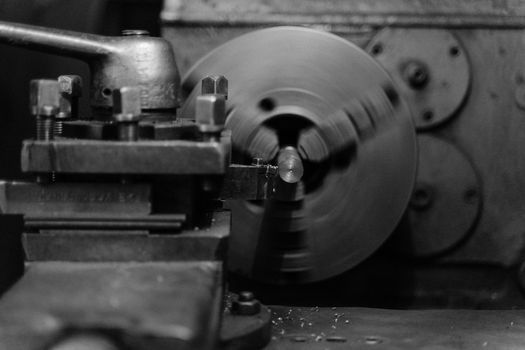
Hot chamber injection pressures typically sit in the 7–35 MPa range at the plunger, with intensification ratios that drive cavity pressure into the 30–80 MPa band during the rapid fill, then the part ejects within seconds; this favors thin-wall, high-volume hardware with mechanical properties in line with conventional die castings (modest elongation, limited heat-treat response) [S1][S3].
Squeeze casting operates at lower fill velocities but sustains direct hydraulic pressure on the solidifying casting, commonly 50–150 MPa on the die, and that pressure hold is what collapses shrinkage porosity and lifts yield strength and elongation close to forged levels [S5]. Cycle time penalties are real — minutes per shot rather than seconds — but the trade buys weldability, heat-treat response, and the ability to certify to structural specifications that ordinary die castings cannot meet. Engineers weighing the alloy-property payoff against throughput can review the shot sleeve price and cost guide for the steel hardware that makes either process possible.
Comparison on Decision Criteria
The four criteria that most often decide the call: alloy (zinc/Mg vs Al/Cu/brass), cycle (seconds vs minutes), mechanical target (production hardware vs structural/heat-treatable), and capex/per-cell footprint. The hot chamber die casting machine selection guide walks through how alloy and tonnage lock in once zinc or magnesium is the chosen material. [S1]
On cycle speed, hot chamber wins decisively — production rates of 100–500 shots per shift on a 16–180 ton cell are normal, against 1–4 shots per hour for a squeeze casting cell of comparable clamp force [S3][S4]. On mechanical properties, squeeze casting wins: density, elongation, and heat-treat response all sit closer to forging, which is why brass valve bodies and aluminum structural brackets default to squeeze or squeeze-plus-machining [S5]. On capex, both lines ship in modular 100–900 ton classes; the hot chamber die casting machine buying guide 2026 documents the 25–180 ton tonnage band most Chinese OEMs quote, while squeeze casting presses are typically built to order and quoted per the alloy and shot weight rather than tonnage alone [S3][S4][S5]. For shops also considering vacuum assist, the vacuum die casting vs standard die casting spec cut gives a third pressure-controlled reference point.
Who Should Specify Which Process
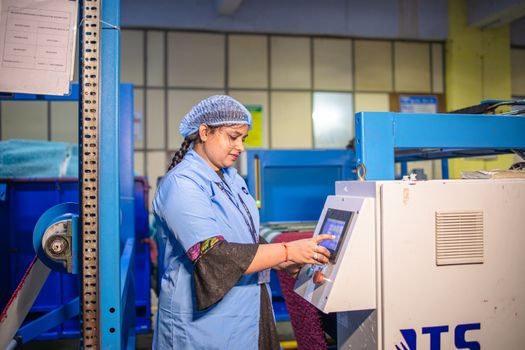
Specify a hot chamber die casting machine when the part is small-to-medium zinc or magnesium hardware with thin walls, cosmetic surfaces, and a target of thousands of pieces per shift, with the hot chamber die casting machine price and cost guide 2026 used to budget cells in the 25–180 ton tonnage band [S1][S3][S4].
Specify a squeeze casting machine when the alloy is aluminum, brass, bronze, or copper-based, the part is structural or pressure-tight, and the part must be heat-treated, welded, or machined to forging-class tolerances [S5]. For buyers exploring high-end zinc and magnesium upgrades, the vacuum die casting machine buying guide 2026 documents a third path that can be retrofitted onto a hot chamber cell to lift mechanical properties without changing the alloy.
Limits, Failure Modes and Sourcing Reality
Hot chamber die casting fails when the alloy is too hot: aluminum in a hot chamber gooseneck attacks the iron-rich plunger and the shot cylinder, which is exactly why aluminum work is restricted to cold chamber and squeeze casting cells [S1][S3]. Squeeze casting fails when the foundry tries to run it at hot chamber cycle times — premature pressure release produces shrinkage porosity, and attempts to speed up fill create turbulence and oxide inclusions [S5].
On sourcing, the 2026-06 Alibaba hot chamber supplier index lists 1,246 suppliers, dominated by Chinese OEMs with a top 3 export market split of Africa 13%, Eastern Asia 10%, and South America 10% [S6]. Brass squeeze casting cells are quoted as a custom line per CENS listings (2026-04-23), and the HYBERS product matrix is a representative cross-section of the 25–2500 ton cold chamber and 16–180 ton hot chamber families most Chinese OEMs publish [S3][S5][S6]. Pricing tiers are equally public: hot chamber 25-ton class machines such as the SH-25 are commodity-priced, while squeeze casting cells for brass and aluminum are project-quoted against alloy, shot weight, and clamp force [S3][S4][S5].
The two technologies are converging on a hybrid shop floor in 2026: hot chamber cells for volume zinc and magnesium hardware, squeeze casting cells for structural aluminum and brass, and vacuum-assisted variants of both used to lift mechanical properties without changing the alloy or the cycle economics.