
Port drayage operations in 2026 specify welded-mesh steel storage cages on standard ISO pallet footprints of 1200x800 mm and 1200x1000 mm, with typical working loads of 1000-1500 kg per unit, to move loose or high-value cargo from quay to bonded warehouse without rehandling [S2][S5].
Specifying the wrong cage type inflates drayage per move and complicates customs inspection at the port; matching footprint, base style, and sidewall configuration to the cargo class is the single highest-value decision in this category [S1][S6].
Definition and Scope: What Counts as a Port-Grade Storage Cage
A port-grade storage cage is a rigid or collapsible steel-mesh enclosure, usually fabricated from Q235 grade mild steel wire and tube, that fits a standard ISO pallet footprint and is rated for forklift tine entry on all four sides [S2][S5]. The category covers stackable stillages, fold-flat pallet cages, post-and-pipe stillages, and rigid transport frames, all of which appear in the 2026 supplier catalogues for marine terminals and Free Trade Zone warehouses [S1][S3].
Cages differ from open pallets by their containment walls: standard welded-mesh panels use 4-6 mm wire at 50x50 mm or 50x100 mm apertures, giving both visibility for customs inspection and ventilation for cargo that off-gases [S2]. This makes them the default container for valuables, regulated inventory, and items that cannot be shrink-wrapped but must be secured against pilferage during port dwell time [S1][S3].
Main Types and a Criteria-Based Comparison
Four configurations cover roughly 90% of port-logistics cage orders: rigid welded-mesh pallet cages, collapsible (fold-flat) pallet cages, post-and-pipe stillages, and timber-base pallet cages [S2][S3][S5]. The choice is driven by cargo mix, return-trip economics, and the yard space available at the consignee warehouse.
Mesh-side collapsible cages dominate bonded-warehouse restocking from container yards because they fold to roughly 200 mm height on the return leg, allowing three empty units to occupy the same cube as one loaded unit and cutting drayage cost per move [S2][S5]. Solid-side variants are specified when cargo is high-value or pilferage-sensitive, sacrificing ventilation and visibility for a closed wall that hides SKU-level contents from casual observation [S5].
Timber-base cages add a wooden deck on the lower frame, useful when cargo bags could be cut or abraded by bare steel; steel-only bases are the default for hard goods, drums, and palletised parts [S3]. Post-and-pipe stillages remain common for oversized automotive and white-goods flows where the load shape is irregular and visibility is required from all sides [S3].
Selection Criteria: Footprint, Load, Stack, and Surface
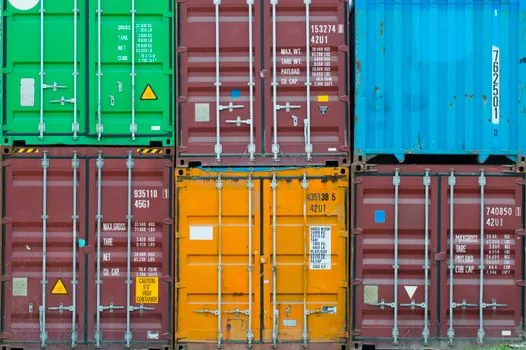
Match the cage footprint to the receiving pallet rack or container lashing pattern first: a 1200x1000 mm cage fits a standard 20 ft ISO container floor plan with no overhang, while 1200x800 mm units are the EU and UK default for euro-pallet racking and most storage rack systems [S2][S3]. Selecting a non-standard footprint forces manual rehandling at the warehouse dock and is the most common root cause of damaged cargo claims in port drayage [S6].
Match the working load rating to the cargo, not to the forklift. Standard collapsible cages are rated at 1000 kg with a 4-high stack factor, and heavy-duty welded versions reach 1500-2000 kg per unit with 1-high stacking only [S2][S5]. Over-stacking a 1000 kg-rated cage to four high creates a 4000 kg column load that exceeds the lower cage's design margin and is a documented failure mode in container-yard storage [S2].
Finish and surface matter in marine terminals: hot-dip galvanised cages survive salt-air exposure for 5+ years, while painted or powder-coated units typically show substrate corrosion within 18-24 months in a port environment [S4]. For storage handling of food, pharma, or FDA-regulated goods, specify stainless or galvanised mesh with documented food-contact suitability rather than standard painted wire [S1][S4].
Use Cases Across the Port-to-Warehouse Chain
At the quayside, collapsible mesh cages receive loose cartons, FIBC bulk bags, and palletised parts directly from 20 ft and 40 ft containers, then move under forklift to a CY or transit shed for customs inspection [S6]. Their open mesh lets officers verify SKU counts without opening cartons, which shortens dwell time and lowers demurrage exposure [S2][S6].
Inside the bonded warehouse, the same cages drop onto standard storage rack bays or are ground-stacked four high, depending on the rating [S1]. For pharmaceutical and medical-device flows, cages with solid walls and lockable lids are commonly specified to meet chain-of-custody and tamper-evidence requirements; the logistics packaging configuration then doubles as a storage cage on the warehouse floor [S1][S3].
For automotive and white-goods flows, post-and-pipe stillages and rigid transport frames carry irregular-shaped components from vessel to assembly plant, and the same unit is reloaded with finished goods for the return leg, eliminating empty-mile drayage [S3][S4].
Limitations, Failure Modes, and Constraints
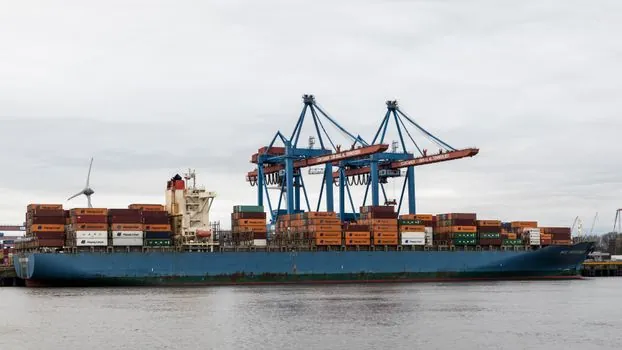
The most common failure mode is weld-fatigue at the base-frame corners after roughly 1500-2000 load cycles, particularly in collapsible cages where the hinge is a single welded point [S2][S5]. A visible tell is splayed legs or a cage that no longer stacks square; operators should pull these from service rather than continue using them at full rated load [S2].
Mesh apertures below 50x50 mm are hard to clean and trap debris, which is a problem in food, pharma, and cold-chain flows where sanitation rules apply [S1][S2]. Conversely, apertures above 50x100 mm allow small parts to protrude or fall out, and are not suitable for fasteners, electronic components, or any cargo that can migrate through the wall during handling [S2].
Collapsible cages lose roughly 15-20% of their rigidity compared to rigid welded units, so they are not specified for free-standing four-high stacks of dense cargo such as metal ingots or drummed liquids [S5]. For those flows, rigid welded stillages on dedicated drum pallets or IBC frames remain the correct choice [S3].
Sourcing, Standards, and Cost Reference Points
Source cage specifications to published working-load ratings, base footprint, wire diameter, and finish type, not to generic "heavy-duty" marketing terms [S1][S2]. Supplier catalogues in 2026 list Q235 welded-mesh collapsible cages at standard footprints in the 1200x800 mm and 1200x1000 mm sizes, with 1000 kg and 1500 kg variants, and a separate timber-base option for bagged goods [S3][S5].
For port-side procurement, expect to compare offers across four decision points: (1) footprint match to container and rack, (2) working load rating and stack factor, (3) finish (galvanised vs painted) and corrosion expectation, and (4) fold-flat ratio on the return leg, which is where most of the drayage savings are realised [S2][S4][S5]. Folding to under 250 mm collapsed height is the practical threshold that allows three empties to stack in the cube of one loaded unit [S2][S5].
For buyers mapping cold-chain or pharma cages alongside other transport equipment, the Cold Chain Equipment Demand 2026-2030 reference gives sizing and spec-driver context that overlaps with cage selection in temperature-controlled port flows. Likewise, where cages are specified to carry bagged chemical intermediates rather than drums, the FIBC Bulk Bag Selection for Chemical Shipping spec map covers the bag-side UN classes and safety factors that determine which cage type and base is required.
Trackable signals for the next sourcing cycle: supplier catalogues publishing revised ISO 6780 interstack dimensions for 1200x1000 mm cages, and any port operator tender specifying fold-flat ratio as a line-item rather than a footnote. Both would tighten the spec envelope materially for 2027 procurement.