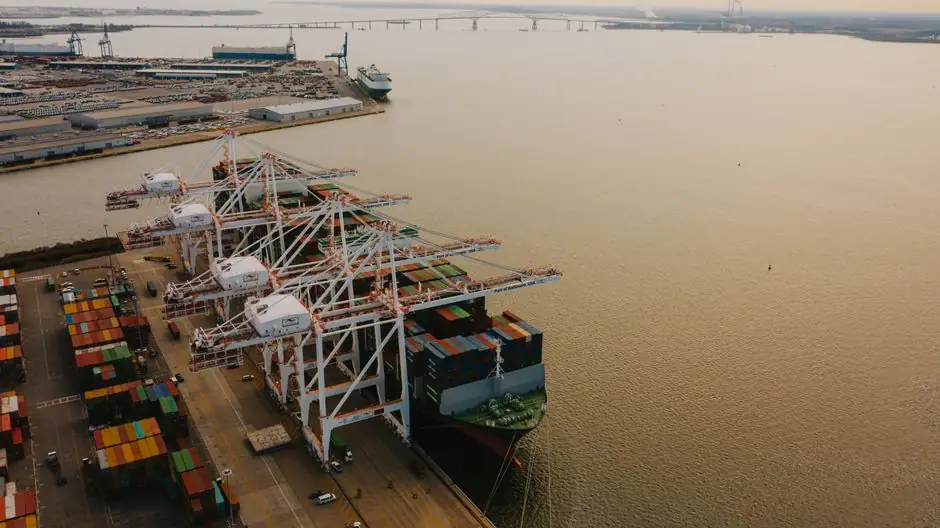
An IBC tank is a standardized intermediate bulk container that sits between 55-gallon drums and full bulk tankers, with port-side stock almost always built around 275- and 330-gallon (1040-1250 L) units on a fixed 45"x45" pallet base for forklift and pallet-jack handling [S1][S3].
For port logistics planners, the core selection problem is a four-way tradeoff: cargo chemistry, volume per lift, UN/DOT certification, and per-liter freight cost, all of which an IBC resolves more efficiently than drums in most non-bulk liquid flows [S3][S7].
Definition and Standard Form Factor at the Port
An IBC tote is an Intermediate Bulk Container, also called a pallet tank, bulk container, or IBC tank, designed for quantities that fall between 55-gallon drums and bulk transport tanks, with the inner vessel mounted on a pallet-style base for forklift handling [S3]. The port-relevant standard sizes are 275 gallons and 330 gallons, with the 45"x45" base fixed so four units replace twenty-four 55-gallon drums and save two pallet positions per swap [S1]. Composite units are typically UN/DOT 31HA1/Y approved and feature a 6" top inlet screw cap and a 2" drain ball valve with camlock quick-disconnect for fast dockside transfer [S5]. Empty stack height reaches four units, while filled stack height is typically capped at two units to keep vertical load within the cage and pallet rating [S5].
Material Selection: HDPE vs Stainless vs Carbon Steel
HDPE inner bottles suit most acids, caustics, and non-flammable commodity chemicals, and are usually white, with blue and black variants offering better UV resistance for sun-exposed yard storage [S4]. Stainless steel IBCs, typically 304 and 316L grades, are specified for food-grade, pharmaceutical, and high-purity liquids, cost more upfront, but resist rust over long service life [S1][S4]. Carbon steel IBCs are cheaper and used for flammable and combustible liquids, but are prone to rust and not suited to long-term or corrosive cargo [S4]. Composite IBCs pair an HDPE liner with a galvanized steel cage, giving the operator the chemical resistance of plastic with the structural support needed for stacking and rough port handling [S3][S5].
UN/DOT Certification, Retest Cycles, and Dangerous-Goods Classes
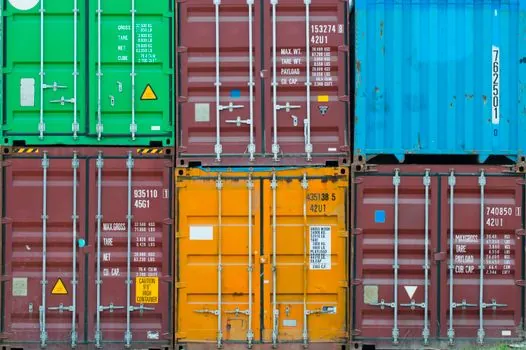
Chemical IBC models are UN/DOT approved shipping containers with permit labels, and the caged composite water/chemical tote carries UN/DOT 31HA1/Y with shipping permits clearly displayed [S5]. Per 49 CFR 180.352, IBC liquid totes must be tested and certified at least once every 30 months, with the test date clearly marked on the unit, and stainless steel IBCs with UN markings additionally require a thickness test every 60 months, with retest dates visible on the tank [S2]. IBCs are evaluated as a complete system, with the inner vessel and discharge components tested together, which is why mismatched valves or lids from a non-original supplier can void the certification [S3]. Compared with ISO tanks and drums, IBCs consolidate cargo into fewer units, lower per-liter freight cost, and are accepted by most carriers for common dangerous-goods classifications without the specialized chassis that an ISO tank demands [S7].
Comparison Matrix: IBC vs ISO Tank vs Drums for Port Liquid Flow
For dangerous-goods liquids on a port apron, the three container classes trade off volume per lift, regulatory overhead, and handling gear [S7]. ISO tanks move 20,000-26,000 L per unit and need a chassis and specialized handling, IBCs move 1040-1250 L per unit on a standard forklift base, and drums move roughly 208 L (55 gal) per unit with high handling labor [S1][S7]. A typical 330-gallon composite IBC at UN/DOT 31HA1/Y is the practical sweet spot for chemicals that do not require a full ISO tank but exceed drum volumes, while drums remain the fallback for small, high-hazard, or restricted-class shipments where carrier acceptance is narrow [S5][S7].
Selection Criteria Checklist for Port Procurement
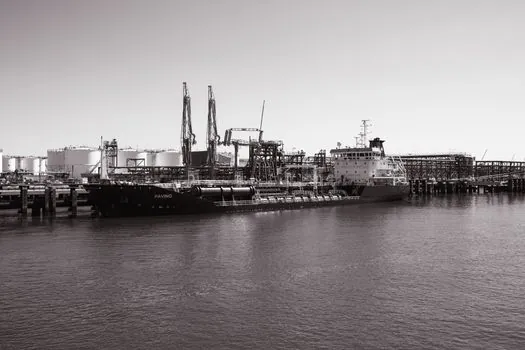
Material compatibility comes first: match the liner to the cargo, HDPE for most acids and caustics, 316L stainless for food and pharma purity, carbon steel only for flammable liquids where cost dominates and service life is short [S4]. Capacity and footprint are fixed by the 275- or 330-gallon standard on a 45"x45" base, so the real choice is between higher cube efficiency at 330 gal and lower residual heel at 275 gal [S1]. Valve and lid options, including ball valve vs butterfly valve and screw-cap vs sealed top, must align with the existing pump, hose, and batching gear on the dock to avoid improvised adapters that slow turn-around [S4]. Forklift entry, two-way vs four-way, is a small spec with outsized impact on aisle maneuverability in tight container-yard lanes [S3]. Maintenance and cleaning access, including the IBC tank reference page, should be reviewed against any in-house cleaning capability or reliance on a third-party tank cleaning machine service.
Use Cases, Limitations, and Failure Modes at the Berth
Stainless steel IBCs are favored for repeated paint-resin moves to a long-term client, where reuse, clean-in-place, and chassis durability matter more than unit price, while poly tanks are typically picked for one-way agricultural pesticide moves where disposal cost is low [S2]. Water IBCs are ANSI/NSF 61 approved for potable water and dominate rain-water harvesting, hydroponics, and process water, but reconditioned units are excluded from the NSF 61 listing, which is a hard stop for potable duty [S5]. Common failure modes at the port are over-stacking filled units beyond two high, using non-original valves that break the UN system certification, and missing the 30-month or 60-month retest window, any of which can take a tote out of dangerous-goods service without warning [S2][S5]. For broader logistics packaging tradeoffs beyond liquids, the decision tree also feeds into tank container specs when a shipment tips above the IBC volume ceiling.
Signals to Track Over the Next Procurement Cycle

Watch carrier acceptance lists for UN/DOT 31HA1/Y composite totes on the specific IMDG classes a port handles, since dangerous-goods carriers can tighten packaging rules between tariff updates without changing the IBC standard itself [S5][S7]. Track the 30-month retest calendar for any rented stainless fleet, because 49 CFR 180.352 retest lapses put units out of service abruptly, and rented units in mixed fleets are the usual blind spot [S2]. For related handling gear decisions on the same dock, the spec logic for timing pulleys on packaging lines and air cargo carton ratings follows a similar material-and-rating discipline, which is useful when port operations run both liquid and dry flows through shared staging areas.