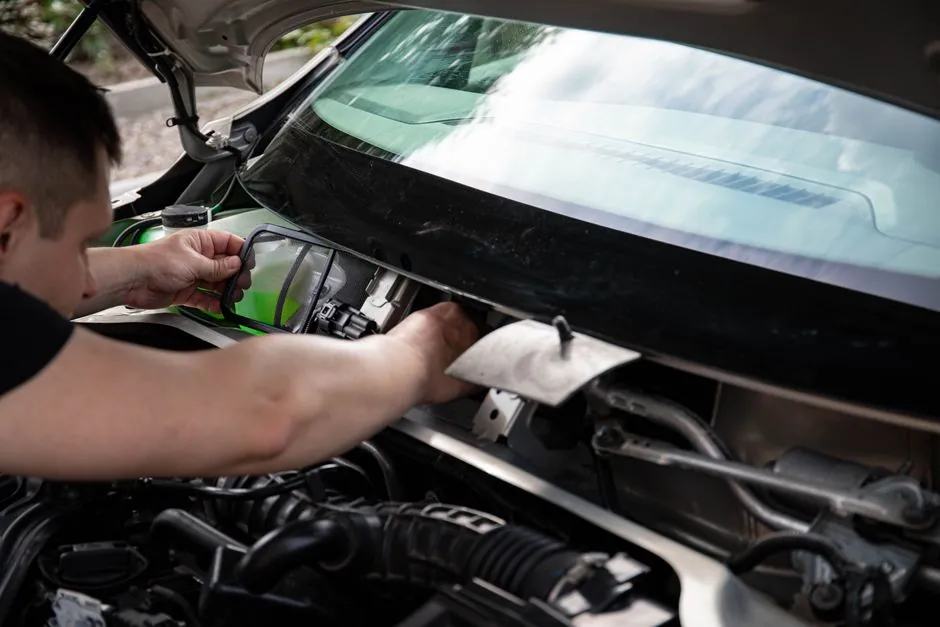
Automotive tier-1 and tier-2 facilities running mixed fluids (coolant, cutting oil, detergent, paint, lubricant, windshield washer concentrate) typically standardize on stainless-steel and HDPE composite IBC tanks in the 275 to 330 gallon (1040 to 1250 L) range, mounted on a 45"x45" pallet footprint that slots directly into existing fork-truck and pallet-jack lanes [S3][S5].
Stackable cubic geometry is the headline logistics win: a single 330-gallon tote replaces six 55-gallon drums but only occupies the floor space of roughly four palletized drums, freeing up truck and rack density for inbound and outbound automotive logistics packaging flows [S1][S3]. For plants running just-in-sequence delivery, that density delta translates directly into fewer trailer moves per shift.
Material Selection: HDPE Composite vs Stainless Steel vs Carbon Steel
HDPE inner bottles with a galvanized or stainless steel cage are the most common composite format and tolerate most acids, caustics, and aqueous detergents used in body-shop pretreatment and parts-washing lines, while colored HDPE (blue or black) adds UV resistance for outdoor staging yards [S2][S5]. Stainless-steel totes are the default for food-grade coolant concentrates, dielectric fluids, and any application demanding long service life without rust, and a well-maintained unit can remain in service for up to 10 years [S3][S5].
Carbon-steel IBCs are cheaper and rated for flammable/combustible liquids such as solvent-borne cutting oils and paint thinners, but they are not suited to long-term outdoor storage because of corrosion risk [S5]. For a typical automotive mix of water-based coolant, alkaline cleaner, and synthetic lubricant, the HDPE composite remains the lowest-risk default; specifiers escalate to stainless only when purity, temperature, or regulatory purity claims require it.
Capacity, Footprint, and Handling Geometry
The 275 and 330 gallon (1040/1250 L) sizes are the de facto industry standard, and the 45"x45" base matches a standard drum shipping pallet so existing conveyors, lift-table docks, and racking accept the tote without modification [S3][S5]. A 350-gallon stainless-steel IBC weighs roughly 470 lb empty, and that dead weight must be added to the rated load of any storage rack, mezzanine, or tank container handling lane the tote will share [S3].
Standardized fork pockets in the steel pallet base let a single operator move a full tote, which is why automotive plants replacing 55-gallon drum loops with IBCs typically report lower labor minutes per gallon handled [S1][S4]. The cube geometry also stacks two-high in most warehouses and three-high in some rack systems, so vertical cube is recovered as well as floor cube.
UN/DOT Rating, Valve, and Pressure Considerations
Any IBC carrying a regulated automotive chemical (anti-freeze concentrate classed as harmful, solvent-borne paint, flammable cleaner) must carry the applicable UN/DOT performance rating, and the rating mark has to match the hazard class of the load, not the container brand [S5]. Specifiers should treat the UN mark as a hard gate: a tote without the correct rating for Packing Group III flammables, for example, cannot legally move on public roads even if it physically holds the volume.
Valve choice is the second hard spec. Ball valves are the default for low-viscosity coolants and detergents, butterfly valves suit higher-flow dispensing loops, and the valve thread has to match the plant's existing pumping and dispensing skids or every transfer station needs an adapter [S5]. Lid selection (screw cap versus sealed) and pressure rating are decided by whether the tote is filled by gravity, by pump, or under inert-gas padding during long storage.
Comparison Table: IBC Options Against Four Decision Criteria
HDPE composite wins on chemical breadth and unit cost, stainless steel wins on purity, temperature, and service life, and carbon steel is the cheapest flammable-liquid option with the shortest corrosion window. For automotive parts logistics where the load mix swings between aqueous coolant, alkaline wash, and synthetic oil, the spec usually defaults to HDPE composite for general duty and reserves stainless steel for lubricant, paint, and dielectric fluid lines. [S5]
Use Cases in an Automotive Plant
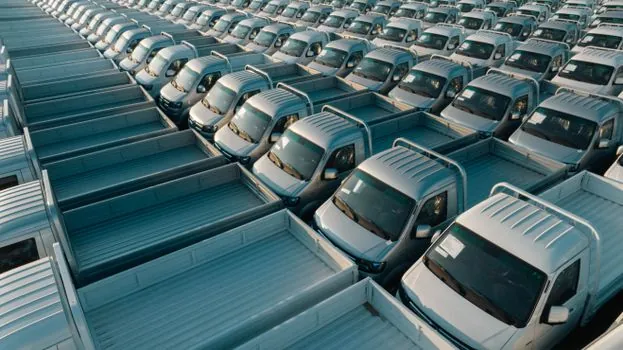
Reusable metal bulk containers are specifically engineered to handle the rigors of automotive logistics, with reinforced steel frames that protect tier-1 components from impact damage during inter-plant transfer and returnable loops [S7]. In practice, plants run three IBC loops in parallel: HDPE composite for coolant and washer fluid, stainless for gear oil and dielectric fluid, and carbon or stainless for paint and solvent depending on the VOC classification.
Stainless IBCs also feed cleanroom-adjacent sub-assembly cells where lubricant particulate and rust carryover would fail the customer's incoming inspection; the higher unit cost is offset by the elimination of reject events on the line. For plants with outdoor storage between incoming inspection and the production hall, UV-stabilized colored HDPE totes (blue or black) extend bottle life and prevent photo-degradation of the contents [S5].
Cleaning, Reuse, and Regulatory Constraints
Reusable IBCs only stay reusable if the cleaning loop is specified up front: a tank cleaning machine rated for the tote's internal geometry, a documented rinse procedure for product changeovers, and a record trail that satisfies the customer's quality clause on cross-contamination [S1]. Without that loop, even stainless totes degrade into single-trip assets and the logistics math collapses.
Regulatory compliance is the other gate. Food-grade applications need FDA- or equivalent-approved inner surfaces, hazardous loads need the correct UN/DOT rating, and the EU CLP plus ADR road rules add labeling and inspection duties that the spec sheet must carry through to the bill of lading [S2][S5]. For a deeper look at the packaging-tier decisions that surround IBC selection, the Air Cargo Carton Selection spec map covers the secondary-packaging side of the same outbound flow.
Selection Checklist for Specifiers
Lock the UN/DOT rating to the worst-case load on the loop, not the average, because re-rating a tote after a near-miss is more expensive than buying the right tote on day one [S5]. Confirm the 45"x45" footprint against existing racking and lift-table dimensions, add empty weight to rack load ratings, and validate valve threads against the dispensing skid before issuing the PO.
Cross-check color (white/blue/black) against outdoor exposure, specify cleaning procedure and ownership (plant or third-party), and require a documented reuse count and end-of-life recycling path so the tote pool does not become a stranded-asset problem. For adjacent packaging-tier work that pairs with IBC decisions, the Carton Box Selection for Port Logistics spec map lines up the secondary-packaging constraints on the same outbound dock.
Track two signals over the next procurement cycle: the published UN/DOT rating list updates from the major tote manufacturers, and any plant-side move to standardize on 275 versus 330 gallon as the new fleet default, since either change cascades into rack, dock-door, and trailer-loading spec revisions across the whole inbound network.