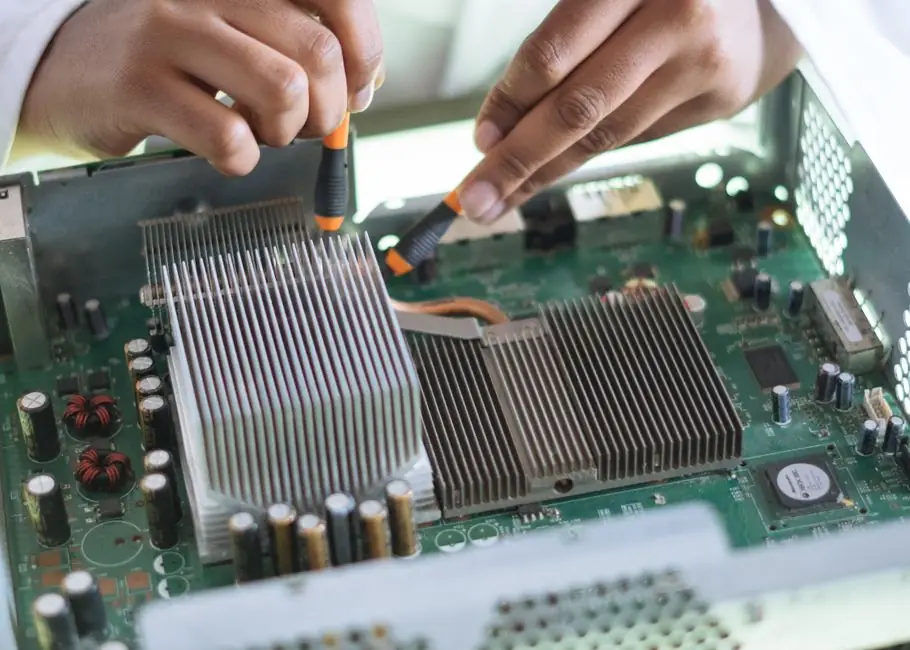
Electronics pallet loads between 150 kg and 1,200 kg are most commonly secured with 12-19 mm polyester (PET) strapping carrying a break strength near 2,500-4,500 N, displacing steel in most consumer-electronics lines [S2][S4].
Selection is driven by four load-side parameters (carton crush strength, unit weight, vibration exposure, ESD sensitivity) and three process-side parameters (line speed, joint tooling, and operator ergonomics) [S1][S2].
Material Comparison: PP, PET, Steel, Paper, Composite
PP (polypropylene) strapping covers light-duty bundles in the 250-500 kg range and is the lowest-cost option, but it creeps under sustained tension and fails at temperatures above ~80 °C, which rules it out for hot pallets coming off a reflow line [S2].
PET (polyester) is the workhorse for medium-to-heavy palletised electronics: it is dimensioned for loads up to 1,200 kg, offers higher retained tension than PP after multi-day storage, and is UV- and moisture-stable, which matters for goods held in outdoor staging lanes [S2][S4].
Steel strapping, both regular and high-tensile heat-treated, delivers the highest break strength but does not elongate, so it suits rigid heavy industrial loads (steel coils, beams) rather than cardboard-based electronics packs that settle [S4]. Steel also presents a snap-back hazard when cut and requires cut-resistant gloves plus eye protection [S5].
Paper strapping is 100% recyclable, the lightest and often the lowest-cost option, and is used for light-duty banding of consumer cartons where tension is minimal and recycling streams are priority-driven [S4].
Composite (polyester fibres with plastic coating) is marketed as "synthetic steel": it offers high break strength, is corrosion-resistant, lighter than steel, and is used in heavy equipment and timber, but its electronics applicability is limited by cost and stiffness for lighter pallet units [S2].
Selection Criteria Specific to Electronics Loads
Carton edge crush rating is the first filter: a 32 ECT single-wall RSC carton can be crushed by a 19 mm steel strap under high tension, so PET at 12-16 mm with smooth or waxed surface is preferred to spread contact stress [S1][S2].
ESD discipline matters when the unit inside the carton is an open PCB, a bare HDD, or a server chassis; non-conductive PET and PP are electrically benign compared to steel, but a stray ground path through a metal band can fault an ungrounded chassis, so steel is generally avoided on exposed electronics [S2].
Vibration and shock during road or air freight favour a strap with measurable elongation recovery: PET typically retains tension across multi-day transit better than PP and absorbs shock loads that would snap a steel band [S2][S4].
Surface finish (embossed vs smooth) changes friction: embossed PET grips the load better but can scuff printed cartons, so smooth, wax-lubricated PET is the default for high-end consumer electronics with retail-grade printed boxes [S2].
Strapping Band Sizing and Break Strength Math
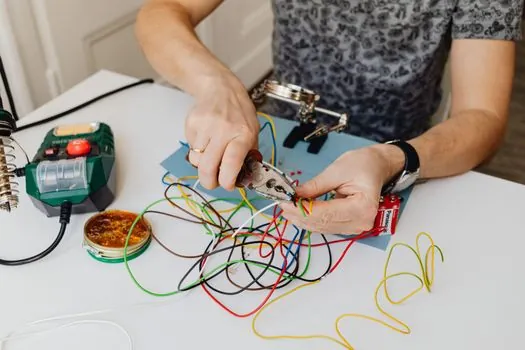
Width and thickness drive break strength linearly: a 12 mm x 0.6 mm PET strap typically breaks near 2,500 N, while a 19 mm x 1.0 mm PET strap approaches 4,500 N, which sets a working tension of roughly 25-35% of break strength to leave margin for shock [S2][S4].
Elongation at break is the second number to track: PP commonly runs 15-25% elongation, PET 8-15%, and steel below 3%, which is why PET outperforms PP for a 1,200 kg load that will settle 10-20 mm during the first 24 hours in a stack [S2][S4].
For palletised electronics, the rule of thumb is two straps per layer for cartons under 800 mm tall, and a minimum of four straps (two perimeter, two cross) for taller pallets, applied with a friction-weld or heat-seal joint to avoid metal buckles that can scuff cartons [S1][S4].
Tooling, Joints, and Ergonomics
Battery-powered PET tensioners (typical 9-18 V cordless, 400-3,500 N tension range) have replaced pneumatic units on most consumer-electronics lines because they remove the air compressor and trip hazard and let operators walk the pallet with one hand on the tool [S1][S4].
Joint type must match strap material: friction-weld (heat-blend) for PP and PET, and a sealed metal crimp or notch-and-seal for steel, with the crimp seal adding the only metal contact point that an ESD-sensitive line has to route or shield [S2][S4].
Operator safety mandates cut-resistant gloves and eye protection for any steel strap work, plus a strict cut-from-furthest-first sequence to keep the snap-back arc away from the body, since stored tension energy in a 19 mm high-tensile steel strap can launch a severed end at high velocity [S5].
Paper strapping is applied with simple hand-tension tools and a glued or heat-bonded joint, and is chosen when the line's end-of-life disposal stream is fibre-only, as the strap is 100% recyclable with the carton [S4].
Who PET Suits and Where It Should Be Replaced

PET is the right pick for a 400-1,200 kg pallet of boxed consumer electronics moving through a 24-72 hour domestic lane, where the carton is ECT-rated, the load may settle, and the line uses a battery tensioner with a friction-weld joint [S2][S4].
PET is wrong for sub-150 kg retail bundles (PP is cheaper), wrong for export crating of heavy steel-cased equipment where high-tensile steel absorbs shock without elongation, and wrong for any line that must produce zero metal particulate, where paper banding takes over [S2][S4].
Steel is the wrong pick on open-PCB handling, on printed retail cartons, and on any line where untrained floor staff will cut straps without PPE, because the snap-back energy and the sharp cut ends create a recurring injury source [S4][S5].
Sustainability, Cost, and Process Signals
Steel strapping is sourced from a stream that is reportedly 88% recycled content by weight, which is the highest recycling rate of any bulk material, but that does not offset the weight penalty on outbound freight versus PET [S5].
Paper strapping enters the fibre recycling stream with the carton, removing a disassembly step at the customer's receiving dock, which is a real labour saving for large retailers reverse-logistics-testing pallet recovery [S4].
PET and PP can both be mechanically recycled, but PET has a higher value-per-kg in the secondary resin market, so a PET strap on a returnable pallet is more likely to be re-pelletised than landfilled [S2].
Trackable signals: the move from pneumatic to battery tensioners on consumer-electronics lines through 2025-2026, and growing specification of embossed-surfaced PET for grip on shrink-wrapped trays, are the two most visible procurement shifts in this category [S1][S2][S4]. For a related look at how surface and material drives spec for adjacent industrial consumables, see the discussion on quartz material selection for fabrication, which applies similar break-strength-and-edge-pressure logic.
Background reading on broader material handling choices, including banding as one node in the warehouse flow, sits in the material handling and storage handling reference pages, while the strap itself is catalogued under strapping band and the tooling that applies it under strapping machine.