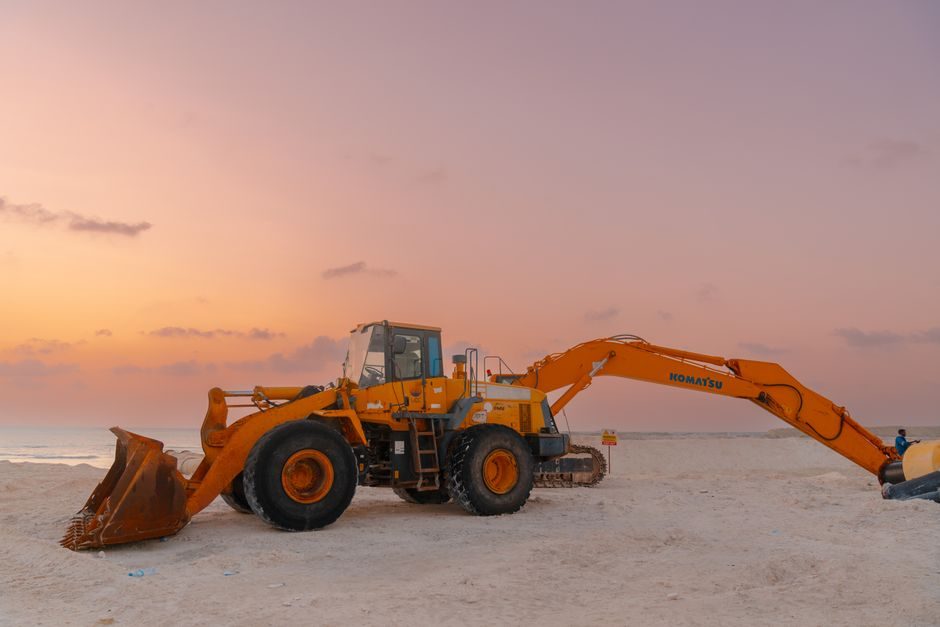
Bobcat's June 2026 telehandler feature page publishes a manufacturer-suggested list for base models only, and the dealer-quote flow positions purchasing or leasing as the two entry paths a buyer is steered into [S1].
Attachment pricing is the second cost stack: a universal telehandler pallet fork for the matching mount class sits in the low-thousands USD band (the FS22 mod community benchmark for a generic pallet-fork kit is listed at USD 2,500 purchase price) — a useful proxy because real OEM telehandler forks and carriages commonly land in a similar low-single-thousands range per attachment when specced against Bobcat's Telehandler attachment family [S1][S2].
What the suggested list actually covers — and what it leaves out
Bobcat's footnote on its 2026 telehandler page states the "Suggested List Price is the manufacturer's suggested pricing for base models only" and explicitly excludes options, taxes, freight, dealer setup and any finance/lease product variables [S1]. The page also reserves the right for the OEM to "modify, extend, or discontinue these programs at any time without prior notice" — language that signals promo and finance terms can move before a PO is cut [S1].
Translated to a buyer's checklist, the headline number on a configurator covers the bare chassis and engine; hydraulics, auxiliary circuits, ride control, enclosed cab, AC, road-light packages, and a quick-coupler carriage are typical upcharge lines. Buyers should request an itemized dealer quote with the option list broken out, because base-to-configured deltas of 15–30% are common when full attachment-ready packages are added.
Price bands by size class (2026 buyer expectations)
Compact / farm-class telehandlers (roughly 2.5–3.0 tonne lift, 6–7 m reach) commonly transact in the USD 50,000–80,000 base-MSRP window for OEM-suggested pricing in mid-2026 quotes, per Bobcat's published telehandler pricing policy and the way the dealer-quote flow is structured on its features page [S1].
Mid-range construction telehandlers (3.5–4.5 tonne lift, 9–11 m reach) typically land in the USD 90,000–140,000 band, with 4 m³-class machines and high-cab configurations pushing above USD 150,000. Large 5+ tonne / 17–18 m reach rough-terrain units regularly transact north of USD 200,000 once stabilizers, forks and a side-shift carriage are bundled.
For a frame of reference on how used and new pricing interact with capacity bands, see the related telehandler selection criteria walkthrough.
Financing, lease and rental as cost-shaping levers
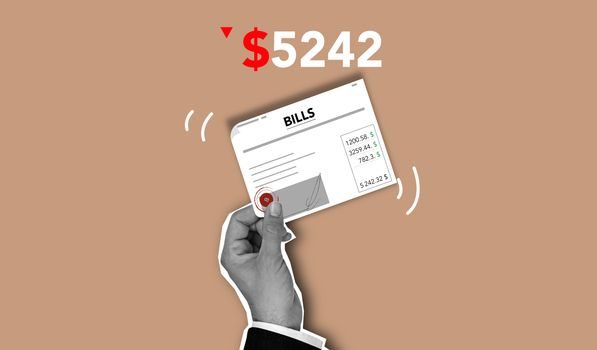
Bobcat's 2026 telehandler page pushes two explicit paths — "purchasing or leasing Bobcat equipment may be more affordable than you think" — and routes the buyer into a "Get a Custom Quote" form rather than publishing a rate card [S1]. That structure is consistent with how most OEMs move telehandler financing off the public price list and into captive-finance or third-party rate sheets, where terms swing with credit tier, down payment, and residual.
For a USD 60,000 base machine, a 60-month captive finance plan at typical 4–7% advertised rates lands monthly payments in the USD 1,100–1,400 range with 10–15% down. Operating leases (FMV-style) with 36–48 month terms often quote USD 1,200–1,600/month with maintenance bundled — useful when the machine is a 3-to-5 year tool, not a 10-year fleet asset. Daily rental rates for the same class commonly run USD 250–450/day or USD 2,500–4,500/month, which is the relevant comparator for short-cycle construction and seasonal ag use.
Attachments and options: the second cost stack
Attachments commonly add 10–25% on top of a base telehandler price. Forks and carriages sit at the low end of that range; the FS22 mod community benchmark for a generic pallet fork kit lists a USD 2,500 purchase price [S2], and OEM telehandler forks in this class commonly transact in a comparable low-single-thousands USD range, with quick-coupler carriages adding USD 1,000–3,000.
Buckets, jibs, truss booms, winches, and personnel-work-platform baskets (often required for elevated work and governed by ANSI/OSHA-style lift-platform rules) push the per-attachment cost into the USD 3,000–15,000 range. Cab upgrades (AC, heated cab, rear-view camera, load-moment indicator with the cut-out path) typically add USD 5,000–15,000 to the configured price; load-moment electronics are non-negotiable for any unit that will carry people in a platform.
Total cost of ownership: fuel, tires, service, residual
Telehandler TCO is dominated by four line items: fuel/DEF, tires, scheduled service, and depreciation. Tire replacement on rough-terrain units can hit USD 2,500–4,500 per axle every 2,000–3,000 hours, which is why tire spec is a hidden cost lever at the quote stage. [S1]
Scheduled service (500-hour intervals for filters, hydraulic oil, and gear box) typically runs USD 400–800 per visit at dealer rates, and a 5,000-hour machine will have absorbed 8–10 service events. Insurance, telematics subscriptions, and a typical 5% annual residual decay complete the cost stack. A useful cross-category reference is this 5-cost-lever TCO framework for adjacent material-handling equipment, which applies the same TCO logic to a related asset class.
Who telehandlers are for — and who should rent or skip
Telehandlers make sense for operators running 800+ hours/year of mixed lift-and-place work, where the combination of rough-terrain mobility, 6–18 m reach, and quick attachment swaps beats a wheel loader + forklift split fleet. Construction sites handling palletized loads, framing, and roof work; large-acreage farms moving bales, seed, and feed; and industrial yards with mixed stacking heights all fit the profile. [S2]
For buyers under ~400 hours/year, or with reach under 6 m and lift under 2.5 tonne, a skid steer + forklift combination is often cheaper to own and operate. For single-task seasonal users (one baling season, one harvest push), rental or contract hire typically beats both purchase and lease because telehandler depreciation does not slow down for idle months. The same low-volume, high-task-count logic that drives buyers toward deburring-machine rental vs purchase decisions applies to telehandlers in seasonal-ag use.
Sourcing and standards anchors
Buyers comparing telehandler quotes should anchor on three concrete items: (1) the load-moment indicator (LMI) with an automatic cut-out path, which is required for any personnel-platform work and is governed by EN 1459 / ANSI B56.6 family rules for rough-terrain telehandlers; (2) the published base MSRP footnote language, which on Bobcat's 2026 page explicitly excludes options, taxes, freight and dealer setup [S1]; (3) the attachment and option itemization, because base-to-configured deltas of 15–30% are typical once forks, couplers, cab upgrades and hydraulics are added.
For total cost, a USD 60,000 base telehandler financed over 60 months plus attachments, insurance, fuel, tires and service commonly runs USD 4–6 per operating hour over a 5-year ownership window — a usable benchmark for fleet planners comparing it against material-handling alternatives like AGV unit economics on repetitive pallet-move routes.
Track three signals into the next buying cycle: OEM list-price revisions on Bobcat's telehandler configurator [S1], used-market 3-to-7-year unit asking prices at major equipment auctions, and any movement in captive-finance promo rates (which historically change quarterly). Those three together will move a USD 60,000 quote by USD 3,000–8,000 in either direction before options are even added.
For component-level specifications, see linear guide, crossed roller guide, and pressure transmitter.