
Toxic gas detection in oil and gas processing is dominated by fixed-point instruments with electrochemical or infrared sensors, 4-20 mA analog output plus HART or Modbus, explosion-proof housings, and SIL 2 capable certification for safety instrumented functions [S3][S2]. The four target gases that drive almost every specification are hydrogen sulfide (H2S), carbon monoxide (CO), hydrogen (H2) and ammonia (NH3), with chlorine, chlorine dioxide and hydrogen chloride specified in chlorine-handling or refinery water-treatment trains [S3].
Det-Tronics lists oil and gas, LNG facilities, petrochemical, storage tanks, and wastewater among the applications for which it supplies flame detection, gas detection, and certified SIL 2 capable fire and gas safety systems, illustrating how toxic-gas detection is specified as part of a wider hazard-mitigation package rather than a standalone purchase [S2]. The functional definition remains straightforward: a toxic gas detector is a fixed or portable instrument that continuously samples an atmosphere and converts the concentration of a hazardous gas into an electrical signal for alarm, control, and shutdown purposes [S1][S3].
Sensor Technology Comparison: Electrochemical, Infrared, Metal-Oxide, and PID
Electrochemical sensors deliver the lowest cost per point and are the default for H2S, CO, H2, NH3, Cl2 and HCl detection in oil and gas service, with the TS4000H Intelligent Hydrogen Gas Detector specified at 0-500 ppm hydrogen, T90 response under 30 seconds, and a precision electrochemical cell that survives short-term exposure to 50% LEL hydrogen for up to 2.5 minutes without zero shift [S3].
Non-dispersive infrared (NDIR) is the dominant choice for CO2 and for hydrocarbon-selective toxic measurement where the user wants a poison-resistant cell, while metal-oxide semiconductor (MOS) and photoionization detector (PID) cells address specific niches (low-ppm solvent leak detection for PID; MOS for refrigerant-leak duty) that rarely surface in upstream oil and gas specs [S3]. For upstream, midstream, and refinery indoor locations where the gas of interest is a reducing or oxidising toxic that an electrochemical cell can resolve, the electrochemical route remains the workhorse because of its ppm-class resolution, low power draw, and behaviour that maps cleanly to a 4-20 mA loop with HART superimposed [S3].
Selection Criteria: Target Gas, Range, Output, and Hazardous Area
The first selection question is the target gas and its measurement range: H2S in oil and gas is typically specified at 0-50 ppm or 0-100 ppm with alarm setpoints at 10 ppm and 15 ppm for worker exposure, while a refinery CO detector on a furnace platform is commonly set at 0-200 ppm or 0-500 ppm [S3].
The second question is the output and protocol stack: 4-20 mA current loop remains the baseline, HART is the default for smart-instrument maintenance access, Modbus RTU is common where detectors are daisy-chained into a PLC or RTU, and Foundation Fieldbus or PROFIBUS PA appear in greenfield DCS-driven projects; the detector should be specified to support the protocol already used by the site DCS, not the other way around [S3]. A third decision is hazardous-area classification: ATEX Ex d (flameproof) or Ex e (increased safety) for Zone 1, intrinsically safe (Ex ia) for Zone 0, with the detector datasheet confirming ATEX, CSA, CE and GOST compliance for global application and SIL 2 certification for use in safety instrumented functions [S3].
Who the Spec Is For — and Where It Breaks
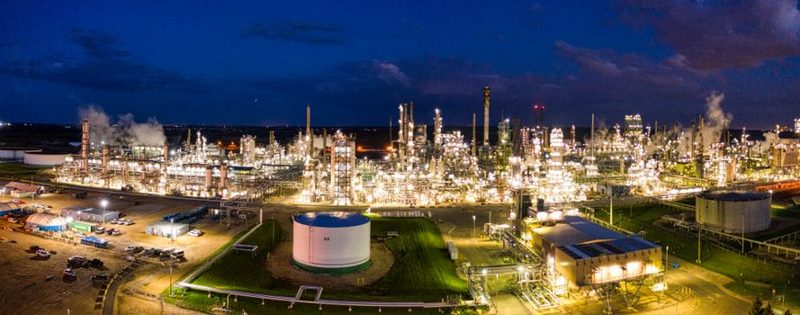
Fixed toxic gas detectors with 4-20 mA plus HART output, electrochemical sensor, ATEX/IECEx Zone 1 rating, and SIL 2 capability are the right answer for oil and gas operators who need continuous, code-compliant monitoring of H2S, CO, H2 or NH2 in a classified area, with the detector hard-wired into a fire-and-gas controller that initiates alarms, ventilation, and shutdown [S2][S3]. They are not the right answer for confined-space entry on a turnaround, where a portable or personal single-gas monitor with audible, visual, and vibrating alarms is the legal minimum; nor for flammable-gas leak detection in an open deck, where a catalytic-bead or infrared combustible gas detector using a 0-100% LEL range is the correct choice (see combustible gas detector spec map for laboratories for the LEL-side selection logic). Engineers sometimes try to use a single multi-gas detector for both toxic and combustible duty — that is fine for a personal monitor, but for a fixed safety-instrumented function a dedicated toxic gas detector with a clear SIL-rated signal path is the cleaner choice and avoids cross-interference between electrochemical toxic cells and pellistor combustible cells.
Installation and Cabling Constraints
Sensor location follows the gas density rule of thumb: H2, NH3 and CO are lighter than air and are detected from a high point (typically 30 cm below the ceiling), H2S is slightly heavier than air and is detected from the breathing zone, and Cl2 and HCl are denser and are detected from a low point (typically 30 cm above the floor); the standard 'Toxic gas detector installation' classification under the international standard classification (ICS) covers alarm and warning systems as a directly named topic, indicating the mature codification of placement rules [S4].
Remote-mount cabling distance is a hard physical limit: the General Monitors TS4000H specification allows the gas sensor to be mounted up to 610 metres away from the electronics housing, which is important when the measurement point is inside a vessel, a flare stack base, or a tank farm berm and the electronics need to live in a safe, accessible location [S3]. Cable type and shield termination matter for HART signal integrity on long runs, and the explosion-proof housing must be specified with the correct conduit entry thread (typically M25 or 3/4" NPT) for the regional installation practice [S3].
Functional Safety and System Integration
For a safety-instrumented-function (SIF) loop, the detector must be supplied with a published SIL rating, an FMEDA report, and a certificate from a notified body; SIL 2 capable is the typical minimum for toxic-gas SIFs that initiate process shutdown, and the detector must be integrated into a fire-and-gas safety system that itself carries FM 3010, NFPA 72, or certified SIL 2 capable status [S2][S3]. Det-Tronics markets 'Certified Fire and Gas Safety Systems' third-party certified to FM 3010, NFPA 72 and certified SIL 2 capable, with similar qualifications for SOLAS applications — which is the level of system-level evidence a procurement specification should require, not just the individual detector certificate [S2].
Det-Tronics' January 2026 acquisition of Norway-based Optronics, and the September 2025 appointment of Johannes Mario Kahlert as President, point to an active consolidation phase in the global flame and gas detection market, with the practical effect that operators should expect to see product-line rationalisation and cross-portfolio rebranding through 2026 [S2]. For procurement teams, the immediate trackable signal is the appearance of Optronics-branded flame and gas detection hardware on Det-Tronics order codes, which will be the visible surface of the integration.
Cross-Sensitivity, Calibration, and Lifecycle Costs
Cross-sensitivity is the silent killer of toxic-gas spec sheets: an H2S electrochemical cell will respond to SO2, NO2 and Cl2 at fractions of the target gas concentration, and a CO cell will respond to H2 at significant percentages of the reading; the datasheet must be checked for every cross-interferent that exists in the measured atmosphere, not just the target gas [S3]. Calibration interval is typically 30 to 90 days for electrochemical cells, with bump testing before each confined-space entry and a full calibration against certified span gas at the documented interval; the 3-digit LED display, fault codes, and 4-20 mA plus HART or Modbus output on the TS4000H are designed to support that maintenance workflow from a control room, without requiring physical access to the detector [S3].
Lifecycle cost is dominated by sensor replacement rather than the initial instrument purchase, with electrochemical cells typically rated 2 to 5 years in clean service and shorter in dirty or high-temperature service; spare-sensor stocking and a calibration-gas programme must be written into the procurement specification at the same time as the detector model is selected, or the detector will be installed and then allowed to drift out of service. For a parallel decision in a fixed-gas context, the fixed gas detector category covers the same instrument family from the installation-architecture angle (point versus open-path, local versus remote sensor head).
Standards and Codes Governing the Selection

International classification places 'Toxic gas detector installation' under the Alarm and warning systems grouping, with 15 standards identified in the international classification taxonomy, indicating the breadth of national and regional codes that touch detector placement, alarm levels, and testing intervals [S4]. Functional-safety compliance is governed by IEC 61508 and IEC 61511 for the SIF design, hazardous-area certification by ATEX 2014/34/EU for the European Union and by IECEx for the rest of the world, and alarm and warning system performance by ISO 7731 and the national equivalents referenced in the ICS taxonomy [S4].
At the system level, NFPA 72 (National Fire Alarm and Signaling Code) governs fire and gas alarm system architecture in North America, FM 3010 governs the approval of the fire and gas safety system as a packaged assembly, and SIL 2 capability under IEC 61508 is the functional-safety floor for a toxic-gas SIF that initiates automatic shutdown [S2]. Engineers writing an oil and gas facility specification should list these standards explicitly in the procurement document and require the vendor to map each line item to the relevant clause, rather than accept generic 'ATEX-certified, SIL-rated' claims without evidence.
For broader toxic-gas coverage, the gas detector and multi gas detector references cover the wider family including combustible and oxygen-depletion sensing, while this article focuses on the toxic-only selection path used for H2S, CO, H2 and NH3 monitoring in upstream, midstream and refinery service. The two most actionable signals to track over the next reporting period are: (a) publication of any new edition of the FM 3010 or NFPA 72 standard affecting detector-to-system interface requirements, and (b) further product-line integration announcements from Det-Tronics following the January 2026 Optronics acquisition [S2].