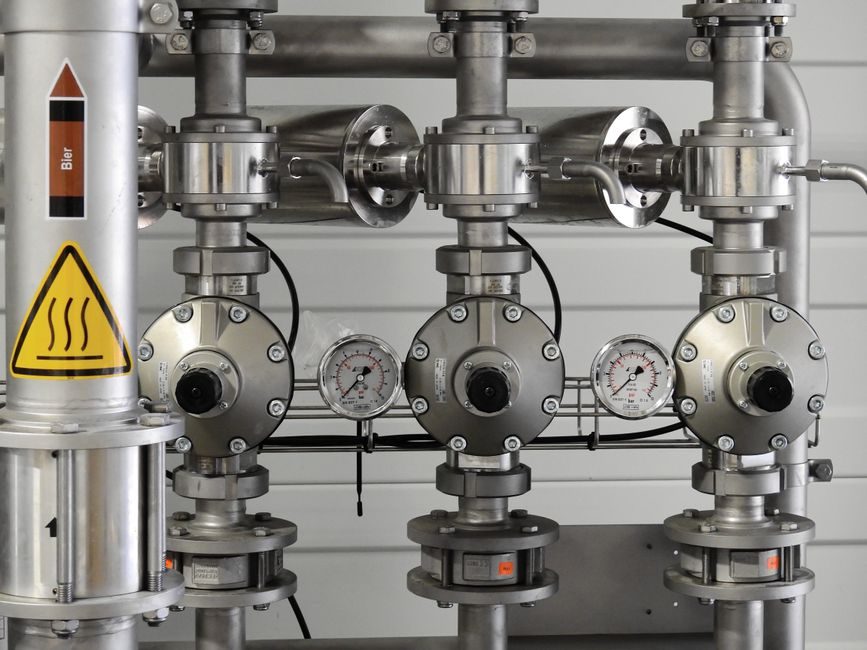
A factory-quoted valve limit switch box sourced from Wenzhou and Changshu clusters in mid-2026 sits in a US$20–600 FOB-China band, with the modal transaction landing between US$30 and US$150 for aluminium-housed general-purpose units and US$150–600 for stainless/IP68 hazardous-area versions [S2][S4][S5][S6].
The price spread is driven by four physical variables — housing material, ingress rating, switch count, and certification — not by brand premium, because most Chinese OEMs buy the same Omron/ Honeywell micro-switch internals and rebrand the assembly [S1][S6]. A buyer who locks spec to the process duty, not to a catalog feature list, typically cuts landed cost 25–45% versus a quoted "premium" Western equivalent.
Housing Material and Its Direct Cost Delta
Powder-coated aluminium-alloy housings with polyester finish remain the 2026 default for general-purpose service, with PRISMA's IP67 catalog box specifying aluminium-alloy body plus stainless-steel shaft as the baseline build [S1]. Die-cast aluminium dominates the US$30–120 SKU band on Made-in-China listings, with the SW-I through SW-V series (a five-tier OEM ladder from Wenzhou's Wuxi Leili line) covering the bulk of mid-volume inquiries [S4].
Stainless-steel 304 or 316 housings add 2–4× to the unit price versus aluminium equivalents, but the jump is non-linear: above US$250, the bulk of the cost shifts from raw material to certification paperwork (ATEX/IECEx test certificates, NACE MR0175 compliance) rather than the steel itself. Puer/Oubei-town manufacturers in Yongjia County have supplied both explosion-proof and standard variants from the same casting line since the late 2000s, illustrating how the same factory straddles both price tiers [S3].
Ingress Rating, Switch Count and the Options Stack
IP67 is the de-facto minimum for outdoor or washdown service and adds roughly US$5–15 over an IP65 equivalent at the same switch count [S1]. The APL-200 series from Changshu Huier demonstrates the standard switch-and-indicator stack: 2 mechanical limit switches plus a solenoid-valve position indicator, 8-terminal block, and continuous visible rotational-degree feedback — a configuration that typically prices US$45–90 at 10-piece MOQ [S2].
Adding a 4–20 mA position transmitter, AS-i bus interface, or Foundation Fieldbus module can double the assembly cost because the smart-positioner electronics ride on a separate PCB and enclosure seal. A practical sourcing rule: if the limit switch only needs to signal open/closed to a PLC discrete input, paying for a position transmitter is wasted spend; specifying the signal protocol up-front avoids the "stacked-options" 30–60% markup common on inquiry-stage quotes [S5].
MOQ Levers and Order-Volume Discounts
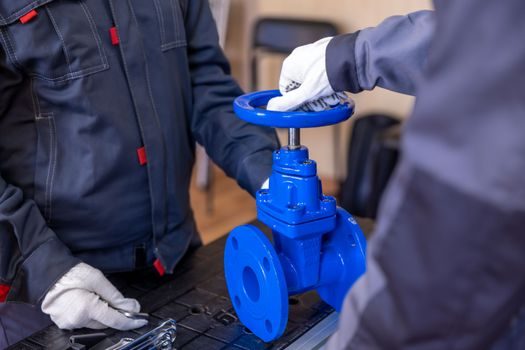
MOQ tiers observed in mid-2026 Chinese-OEM listings range from 1 piece (sample/negotiated pricing on Veson-Valve and KGSY inquiry pages) to 10,000 pieces for commodity switch-box enclosures [S5][S6]. The typical discount curve from a 1-piece inquiry to a 100-piece production run is 20–35%, with a further 10–15% drop at 500 pieces on aluminium-housed SKUs.
For a US$80 single-piece quote, a 100-piece run typically lands around US$52–64, and 500 pieces reaches US$45–55 FOB — a real 30–45% spread that dwarfs any "design improvement" the vendor pitches. The SW-I through SW-V family uses tiered naming partly as an MOQ/feature ladder, with SW-I being a single-switch economy unit and SW-V carrying dual switches plus indicator [S4]. Buyers running pilot-plant volumes (10–50 units) should expect to pay within 10% of the single-piece catalog price even when the listing says "negotiable" [S5].
Certifications and Hazardous-Area Premium
A Zone 1-rated unit with stainless 316 housing, IP68 sealing, and dual mechanical switches plus solenoid indicator typically prices US$280–600 FOB-China in mid-2026, against US$80–140 for a functionally identical non-certified unit.
Buyers specifying ATEX/IECEx should demand the certificate number and the notified-body name (e.g. LCIE, TÜV, NEPSI) printed on the nameplate, not just a "CE/ATEX" sticker on the datasheet — the latter is the single most common compliance shortcut on Yongjia- and Wenzhou-origin quotes [S3][S6]. For non-hazardous indoor service, a general-purpose IP67 aluminium box with a polyester powder-coat finish delivers the same mechanical life at one-third the cost.
Lead Time, Incoterms and Realistic Sourcing Map
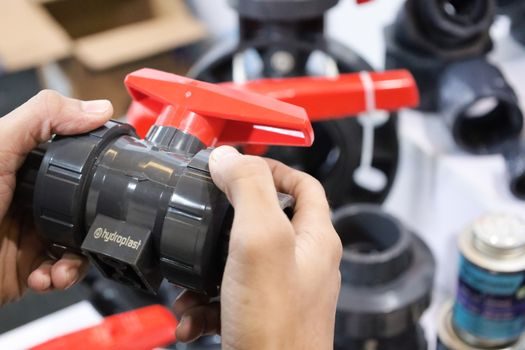
Standard aluminium-housed SKUs ship from Wenzhou and Changshu in 15–25 days at 1–100-piece MOQ, and 30–45 days at 500-piece volume once the vendor confirms a production slot. Stainless or hazardous-area units add 10–20 days for certificate document printing and pressure-testing logs [S2][S3][S6].
FOB Shanghai or FOB Ningbo is the default incoterm on 80%+ of mid-2026 Chinese inquiries, with EXW Yongjia available at a 3–5% discount for buyers with their own freight forwarder. For comparison context against adjacent industrial spend, the Valve Positioner Price & Cost Guide covers the smart-positioner counterpart that often shares a housing casting with these switch boxes, and the linear bearing and crossed-roller guide categories represent entirely different cost-per-unit economics — typically an order of magnitude lower per piece but consumed in much higher annual volumes.
Selection Criteria: Who Needs Which Tier
A water-treatment skid with indoor mounting, non-hazardous area, and basic open/closed feedback should target the US$30–60 aluminium IP65/IP67 tier — anything above is overspec. An offshore oil-and-gas manifold needing 316SS, IP68, Ex d IIB T6, and dual switches plus 4–20 mA feedback must budget US$350–600 FOB and accept a 45–60-day lead [S3][S6].
The middle band — chemical plant, Zone 2, 304SS, IP67, dual switches with indicator — sits at US$120–220 and is where most process-industry buyers should anchor their RFQ. Paying below US$100 for this band usually means either aluminium housing (corrosion risk) or uncertified Ex rating (compliance risk) [S1][S2][S4].
Trackable signals for the next buying window: (1) Wenzhou-area OEM count on Made-in-China crossed 60 active valve-switch-box listings in Q2 2026, indicating continued capacity expansion; (2) the APL-200-class "two-switch + indicator" configuration has become the de-facto default SKU, with single-switch units now pushed into the SW-I economy tier [S2][S4][S5][S6].