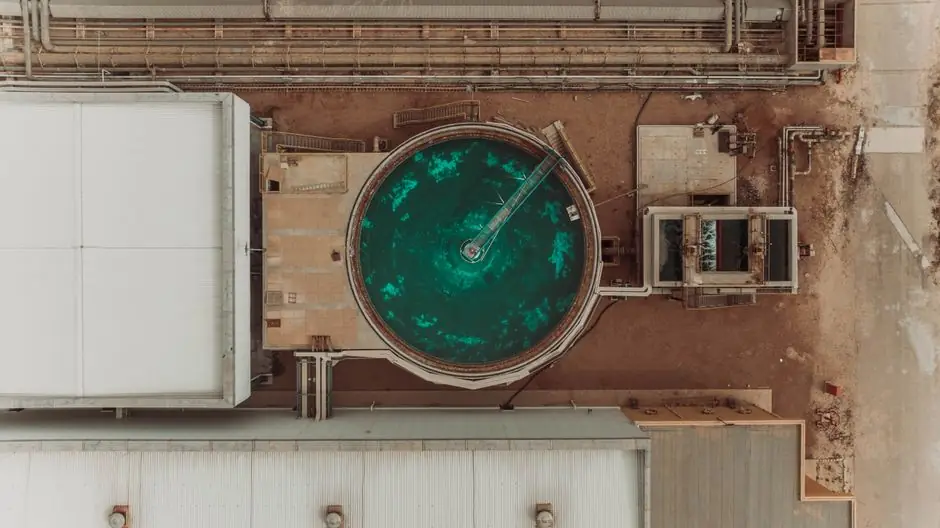
Membrane-based separation, including reverse osmosis, forward osmosis, ultrafiltration, and electrodialysis, already dominates the water-purification technology stack, but fabrication material and processing remain the binding constraints on capacity expansion, a fact that turns any upstream polymer disruption into a same-quarter delivery slip [S1]. For procurement and process engineers, the operational question is no longer "which element grade" but "which grade can land on site in 12 weeks, with audited replacement in stock."
Element architectures, polymer systems, and what each one actually does
TFC polyamide elements carry the bulk of desalination and brackish duties, with operating pressure typically set by feed salinity: seawater elements run 55-80 bar, brackish elements 10-30 bar, and nanofiltration softening elements 4-15 bar, so the same housing format (4-inch or 8-inch) can hold three different process grades [S1].
For most industrial users, however, the practical question is whether the element matches the cleaning pH window (typically 1-13 for polyamide TFC, 2-8 for CA) and the free-chlorine tolerance (CA tolerates ~1 mg/L continuous, polyamide TFC effectively zero), not the exotic chemistry. See the broader waterproof membrane category for a parallel view of polymer roll-goods used in containment and roofing; chemistry and converting economics overlap more than most specifiers expect.
Selection criteria that actually move the answer
Four parameters govern RO/NF/UF element selection in 2026, and they must be checked in order: feed salinity and target permeate quality, recovery and specific flux, fouling tendency and CIP envelope, then pressure class and energy per cubic metre of product water [S1].
For high-fouling feeds (municipal secondary effluent, food and dairy streams, oilfield produced water), MBR and submerged UF cassettes in 0.03-0.1 m pore range set the front end, with chemically enhanced backwash capability (CEB) using NaOCl 100-500 mg/L plus acid or caustic the standard recovery protocol.
Supply-chain structure: who actually makes the roll goods
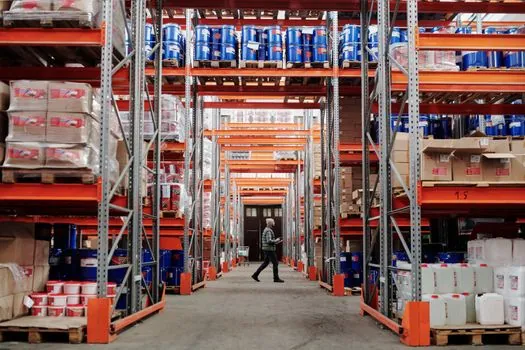
Concentration is the single most actionable risk fact in 2026: a handful of fabricators control the bulk of high-performance polyamide TFC element production, and the upstream supply of microporous polysulfone and polyethersulfone supports, plus the crosslinked polyamide top-layer chemistry, depends on a similarly narrow polymer chain [S1].
Roll-goods converters in the building and construction segment publish price points that read across to industrial waterproofing, with self-adhesive and SBS-modified bitumen underlayments currently trading in the US$ 0.146-0.57 per square metre band (MOQ 1 m2) and bitumen membrane rolls at US$ 15-25 per roll, which gives a sense of the order-of-magnitude price floor for converted polymer sheet [S2]. While these are waterproofing rather than process-membrane products, the same converting lines, the same base polymers, and the same logistic corridors serve both markets, so any shock that hits the construction side is visible in the process side within one to two quarters. A parallel dynamic in metals and sensing is documented in the rare earth competitive landscape 2026 analysis, where a single upstream input (separated rare-earth oxides) propagates into finished-component delivery.
Lead-time, dual-sourcing, and what a "stock" element really means
Standard 4-inch and 8-inch brackish and seawater elements now carry 8-14 week lead times at most direct accounts, with 25-40 week lead times on specialty items (high-rejection seawater, low-fouling RO for tertiary effluent, large-diameter UF modules) where only one or two factories run the grade [S1].
Replacement-element stock programmes help, but only if the specifier has locked a fixed supplier and a fixed element serial range, because cross-supplier interchangeability is partial: a 4040 or 8040 dimension is universal, but the feed-spacer thickness (28 mil, 31 mil, 34 mil), the outer wrap, and the permeate-tube diameter differ by maker, and any change to spacer geometry alters pressure drop and recovery on a fixed pump curve. For instrumentation and rotating-equipment spend under the same capex, see the magnetic flow meter pricing and total-ownership review, which applies the same dual-source logic to a different commodity.
Failure modes and what they tell the specifier

The four common failure modes in 2026 are: oxidative damage from residual free chlorine (compensated by dechlorination via sodium bisulphite or activated carbon, with target 0 mg/L free Cl2 into the element), scaling from calcium carbonate, barium sulphate, or silica (compensated by antiscalant dosing and recovery limits), biological fouling with biofilm compaction (compensated by CEB and, periodically, non-oxidative biocides), and mechanical damage from water hammer or particulate breakthrough on prefilters (compensated by FRP vessel pressure relief and 5 micron absolute prefilters) [S1].
The same logic of triggered, evidence-based replacement applies to instruments such as infrared temperature sensors in 2026 spec work, where the field signal of drift is the trigger, not a fixed service interval.
Standards, ratings, and what the datasheet leaves out
Element performance is published under NSF/ANSI 61 for drinking-water contact, NSF/ANSI 419 for public drinking-water equipment, and ISO 14001 / ISO 9001 for the manufacturing system itself; specific flux and rejection are reported at standard test conditions (2000 mg/L NaCl, 25 C, pH 7.5, 15% recovery for brackish, 8% for seawater), so any deviation from that envelope is the specifier's number, not the maker's [S1].
For pretreatment, the published SDI15 below 3 is a soft gate; sites that push above it see compounding flux loss that no antiscalant can offset. For the housing and the high-pressure train, ASME BPVC Section VIII Div 1 governs the FRP pressure vessel, while the high-pressure piping class follows ASME B31.3; the membrane element itself is not a "code item" in the ASME sense, but the system around it is. The published reference base for membrane science continues to expand: the journal *Membrane and Water Treatment* (MEMBR WATER TREAT, ISSN 2005-8624 / E-ISSN 2092-7037, 6 issues/year, SCIE indexed, h-index 12, CiteScore 1.70) is one of the regular venues for applied performance data, alongside *Desalination* and *Journal of Membrane Science* [S3][S4].
Decision matrix: which element type to specify in 2026
Three options carry almost every industrial case. Polyamide TFC brackish: lowest unit cost per square metre of membrane, widest service network, vulnerable to free chlorine and to polyamide supply shocks, and the default for feed TDS 1,000-10,000 mg/L [S1]. Polyamide TFC seawater: same chemistry at higher pressure envelope, higher unit cost, and the binding constraint for any coastal or shipboard desalination project. Cellulose acetate: chlorine-tolerant up to ~1 mg/L free Cl2 continuous, lower rejection (~95-98% nominal at brackish test), narrower pH cleaning window, and the fallback when upstream dechlorination cannot be guaranteed.
Selection then collapses to three decision gates. First, feed salinity: below 1,000 mg/L TDS, NF is often the better answer than RO because energy per cubic metre of product water drops materially at lower transmembrane pressure. Second, free chlorine exposure: if dechlorination cannot be guaranteed, CA or CA-blend is the safer spec. Third, replacement-element logistics: if a plant sits more than 12 weeks of shipping from the nearest authorised element warehouse, the specifier should commit a 5-10% surplus of critical spares at commissioning, not at the first failure. For a related view of long-lead industrial spend and the way upstream material markets bleed into finished goods, see the rare-earth separation-capacity and demand outlook.
Two trackable signals through the rest of 2026: (1) published lead-time moves at the two largest element makers, where any sustained move above 14 weeks on standard 8040 brackish SKUs is the earliest indicator of upstream polymer pressure; (2) the price band for self-adhesive and SBS-modified bitumen underlayments, which currently sit at US$ 0.146-0.57 per square metre (MOQ 1 m2) and act as a leading indicator on converted polymer-sheet converting capacity [S2]. A jump in either metric within the next two quarters is the field signal that RO/NF element supply is tightening, not loosening.
For component-level specifications, see heat treatment furnace, and online water analyzer.