
Refined zinc supply remains structurally tight into the second half of 2026, with China controlling 35% of global refined zinc output and exposing downstream galvanizing, die-casting, and battery buyers to concentrated geopolitical risk [S2].
Chinese zinc ingot prices reached 3,210 USD/MT in June 2026, reflecting improved industrial consumption and stronger demand from galvanizing and alloy production [S5]. Regional 2026 forecasts point to 5% projected price uplift in North America, 7% in Europe, 8% in South America, and 10% in Asia, each tied to a distinct supply-side driver [S3].
Supply Concentration: The 35% China Anchor
Concentrated zinc production creates direct geopolitical vulnerabilities, with China controlling 35% of global refined zinc output and trade tensions in key producing countries periodically disrupting supply chains [S2]. Shipping disruptions in critical waterways during the past 12 months have further exposed the fragility of distribution networks that move refined metal from a small number of origin nodes [S2].
These structural chokepoints complicate long-term supply planning for manufacturers and increase the risk of regional shortages whenever a single producing country issues export restrictions or freight corridors close [S2]. For galvanizing lines, zinc die casting machine foundries, and brass mills that consume SHG-grade ingot on just-in-time schedules, the implication is that procurement contracts need to assume 2–3 alternative origin lanes rather than a single nomination.
2026 Price Signals by Region
Chinese zinc ingot prices reached 3,210 USD/MT in June 2026, supported by improved industrial consumption and stronger demand from galvanizing and alloy production sectors, with manufacturing activity showing better stability and producer pricing strategies reflecting higher operational costs [S5].
Supply availability remained balanced through Q2 2026, but producer pricing strategies reflected higher operational costs and improved market confidence rather than surplus [S5]. This combination — stable volumes, higher costs, and concentrated upstream control — is the pattern that historically precedes sharper rationing events when one of the major producing regions tightens export licensing.
Demand-Side Pressure: Galvanizing, EVs, and Infrastructure
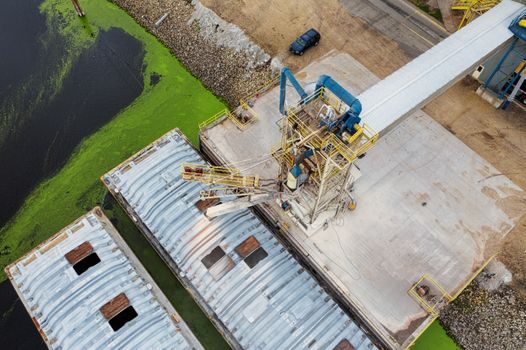
Emerging economies in Asia are driving 2026 demand growth through increased industrialization and infrastructure projects, while the transition to green technologies in Europe and North America is expanding zinc usage in battery manufacturing for electric vehicles [S3]. The product itself — a bluish-white refined metal block with high malleability, ductility, a low melting point, and a self-forming oxide layer that delivers corrosion resistance — remains critical for galvanizing, brass alloy production, and zinc-based chemicals [S4].
For buyers running continuous industrial UPS backed galvanizing lines or switching power supply fed electroplating rectifiers, the risk vector is twofold: input price volatility on the zinc anode/ingot side, and the possibility that smelter allocation rules tighten during peak construction season. Pharmaceutical-grade zinc ingot requirements — minimum 99.999% (5N) purity with total impurity content below 10 ppm, meeting USP, European Pharmacopoeia, and Japanese Pharmacopoeia standards — sit at the opposite end of the spec spectrum and command a different supply chain entirely [S6].
Manufacturing Economics and Capacity Constraints
IMARC estimates the global zinc ingot market reached 12.27 million tons in 2025 and is projected to reach 15.63 million tons by 2034 at a 2.7% CAGR from 2026 to 2034, with proposed manufacturing facilities typically sized between 10,000 and 50,000 MT annual capacity and gross profit margins ranging 15–25% under normal operating conditions [S1]. The production route runs through mining and extraction of zinc ore, roasting and electrolytic purification, melting and casting into ingot form, cooling, quality control, and packaging [S1].
Reliable suppliers must be secured for zinc concentrate, coke/coal, and fluxes to ensure consistent production quality, and minimizing transportation costs by selecting nearby suppliers is essential for both new plant builds and existing smelter retrofit economics [S1]. Long-term contracts should be negotiated to stabilize pricing and ensure a steady supply, a recommendation that becomes harder to honor when 35% of refined output sits behind a single country's export policy [S1][S2].
Sourcing Criteria: What Tight Markets Force on Buyers

Under a supply-shortage regime, four criteria separate a defensible zinc ingot sourcing program from a vulnerable one: origin diversification across at least three producing regions, contract structure (fixed-price tonnage vs. index-priced balance), grade qualification to the end-use spec (SHG for galvanizing, 5N for pharmaceutical), and logistics redundancy for shipping lanes that pass through concentrated chokepoints [S1][S2][S3][S6]. Buyers who nominated single-origin supply in 2024–2025 are the cohort most exposed to the 2026 uplift curve.
Cross-referencing the 2026 zinc picture against the copper cathode supply squeeze and the aluminum ingot shortage 2026 signals, the underlying pattern is the same: smelter-side concentration is tightening, and the regional price increments of 5% (NA), 7% (EU), 8% (SA), and 10% (Asia) [S3] will compound onto already-elevated DC power supply and rectifier operating budgets for any buyer running electrogalvanizing or zinc-nickel plating lines.
Failure Modes and Risk Gates to Monitor
Three failure modes recur in zinc shortage periods: (1) export licensing shocks from the country holding 35% of refined output [S2], (2) shipping lane closures in critical waterways that physically disconnect supply from demand [S2], and (3) spec drift where buyers relax impurity limits under allocation pressure — a move that is acceptable for construction-grade galvanizing but disqualifies lots for pharmaceutical applications requiring below 10 ppm total impurities [S6].
Operational signals worth tracking through the rest of 2026: any announced Chinese export quota adjustment, LME zinc warehouse drawdown rates relative to the 12.27 million ton 2025 base [S1], and the gap between Asian spot (2,400 USD/ton baseline) and the 3,210 USD/MT Q2 Chinese level — a spread that signals how aggressively regional premiums are absorbing the concentrated supply structure [S3][S5]. For more granular Q1–Q2 movement and regional price trajectory, the zinc ingot supply chain 2026 update tracks the same dataset at weekly resolution.