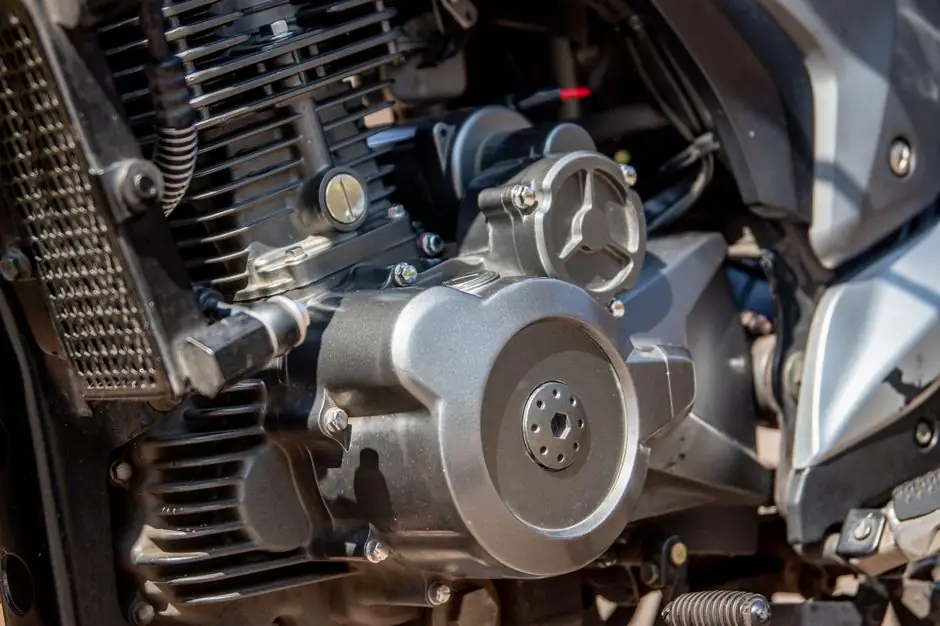
Aerospace-component surface preparation needs a controlled, enclosed sand blasting machine running at 0.2–0.8 MPa with PLC recipe control, integrated HEPA dust collection, and boron-carbide nozzles sized for thin-wall aluminum or titanium skins, per OEM product data published 2026-08-31 [S1][S2].
Flight-safety drivers push the spec window toward repeatable roughness, low embedded-contaminant levels, and full enclosure of any airborne particulate; selection therefore starts with cleanliness target and material, not machine footprint, as outlined in the 2026-08-31 four-step guide [S3] and the 2024-06-28 aircraft/auto-parts equipment brief [S2].
Selection Criteria: Workpiece, Cleanliness, and Pressure Window
Aerospace parts are typically soft aluminum, heat-treated nickel or titanium alloys, or coated composites, and that material stack sets three hard gates: pressure ceiling, abrasive hardness, and dust-containment class [S3][S6]. One published industrial cabinet ships at 0.2–0.8 MPa with 220V/380V 50/60Hz supply, a 2000mm x 1500mm x 1800mm footprint, and 180–300 second batch cycles with PLC automatic control and an emergency-stop interlock [S1]. For thin aerospace skins the practical working band sits in the lower end of that 0.2–0.8 MPa range, and TS Blasting's 2026-08-31 guide flags that incorrect pressure on soft aluminum causes warping, embedded media, and rework [S3]. Boron-carbide nozzles at 8 mm orifice are the common default for aircraft spray-gun fixturing, with nozzle pressure, angle, and distance programmable per part [S2].
Main Machine Types Compared for Aerospace Use
Five commercial sand blasting machine classes appear across the 2026 product literature: direct-pressure (5–15 bar / 70–215 psi, dual-hose, 50–200 kg/h media flow), centrifugal wheel (1500–3000 RPM), wet/dustless (claimed up to 90% dust reduction), mobile trailer units, and fully enclosed automated blast rooms with robotic arms [S4][S7]. For aerospace components the comparison tightens to four decision criteria: enclosure class, abrasive compatibility, repeatability, and dust control. The comparison below lines up the three configurations actually used on aircraft and engine parts.
Configuration comparison for aerospace-component work, drawn from current OEM literature [S1][S2][S4][S5][S7]:
Enclosed cabinet / box-type: 900mm x 1100mm x 1750mm overall, 5–7 bar compressed-air requirement, 0.8–1.2 m³/min air flow, 8.5 m³/min dust extraction with 250W motor, dual 18W LED lighting, 220V/50Hz supply, fully sealed chamber for thermal-spray prep and small aluminum components [S5].
Tumble-belt automatic (TM-A100 class): 0.2–0.8 MPa PLC-controlled batch cabinet, 2000mm x 1500mm x 1800mm, 180–300 s cycle, HEPA-filtered dust collector, boron-carbide-compatible, CE-marked [S1].
Automated blast room with CNC gun frames: 3mm low-carbon steel room with internal wear-rubber liner, 16 CNC automatic guns plus 1 manual supplementary gun, 8 mm boron-carbide nozzles, galvanized linkages, polyurethane-protected turntable, emergency-stop and auto/manual selector [S2][S7].
Direct-pressure portable (typical 5–15 bar): high media throughput at 50–200 kg/h, but open-frame and rarely used inside a controlled aerospace cell [S4].
Who This Equipment Is For, and Who It Is Not For
Enclosed PLC cabinets, blast rooms, and robotic cells are aimed at MRO shops, tier-1 aerospace machining lines, and engine-component foundries that must hold a documented roughness profile and reject rates below a few percent [S2][S3][S7]. Open-frame direct-pressure pots, mobile trailer rigs, and hobby suction cabinets are mismatched: their dust signature alone breaks most aerospace cleanliness protocols, and 5–15 bar open-jet pressure on a 1.5 mm aluminum skin will deform the part before it cleans it [S4][S6]. Wet/dustless cabinets reduce airborne particulate by up to 90% and are useful on composite repair lines, but water contact rules them out for any pre-bond surface that must stay dry, and for any part with trapped cavities that cannot be fully dried afterward [S4].
Abrasive Selection Linked to Material and Cleanliness Target
The abrasive choice is half the spec, not an accessory: published options on aerospace-grade cabinets include sand, glass beads, aluminum oxide, and silicon carbide, with the cabinet pressure window (0.2–0.8 MPa) tuned to the media [S1]. Glass beads and aluminum oxide are the two non-silica defaults that avoid the respirable-crystalline-silica hazard, which is the headline reason modern "sand" blasting machines ship with media other than silica sand [S4]. For thin-wall aluminum skins, fine glass beads at 0.2–0.4 MPa deliver a peened, low-roughness finish; for hard-anodized or titanium surfaces, aluminum oxide at 0.5–0.8 MPa lifts coatings faster but raises the rework risk if pressure drifts [S3][S6]. A wet/dustless conversion drops airborne dust by up to 90% and is the path of least resistance for indoor cells near composite layup [S4].
Limitations, Failure Modes, and Sourcing Constraints
Common failure modes named in 2026 selection guides are excessive abrasive consumption from inadequate recovery, surface defects from incorrect pressure or media, undersized dust collectors, and rapid nozzle wear [S3]. On aerospace parts the highest-cost failure mode is embedded media or warping on thin skins, which forces scrap rather than rework; the second is contamination carryover from a single abrasive type being run on aluminum then titanium without full media change-out [S3][S6]. Cabinet airflow is a hard physical limit: 8.5 m³/min dust extraction on a 220V/50Hz 250W motor will choke on a high-tonnage continuous cell, which is why heavy aerospace work moves to blast rooms with conveyorized recovery rather than box cabinets [S2][S5]. Lead time from Chinese OEMs is published at 20–30 days for standard automated cabinets with a 120 sets/year supply capacity and T/T terms [S1].
Standards, Safety, and Reference Nodes
Two operational specs are non-negotiable for any aerospace cell: an emergency-stop on the control panel and an integrated HEPA or equivalent high-efficiency dust-extraction path, both of which appear on the current TM-A100-class cabinet and on CNC blast-room cells [S1][S2]. Compliance language in 2026 commercial literature calls out OSHA silica-dust alignment for wet systems, CE marking on Chinese OEM cabinets, and "strict safety and emission standards" on automated blast rooms without naming a specific aerospace standard number [S1][S4]. The most useful cross-reference for adjacent process equipment is the shot blasting machine encyclopedia page, which sits next to sandblasting in any cell that also handles steel-based components, while a foundry running resin sand line work will pull abrasive-handling logic from the same dust-extraction and recovery architecture [S2][S4].
Trackable signals worth watching through 2026 Q4: tighter Chinese OEM publication of CE technical-files for aerospace cells, more wet/dustless models quoting measured (not claimed) dust reduction versus the current 90% marketing number, and any cross-link between the 0.2–0.8 MPa cabinet pressure window and an explicit aerospace cleanliness or roughness spec such as Sa 2.5 or Ra ranges [S1][S3][S5].
For related coverage, see Suspended Working Platform Selection for Plumbing Installation.