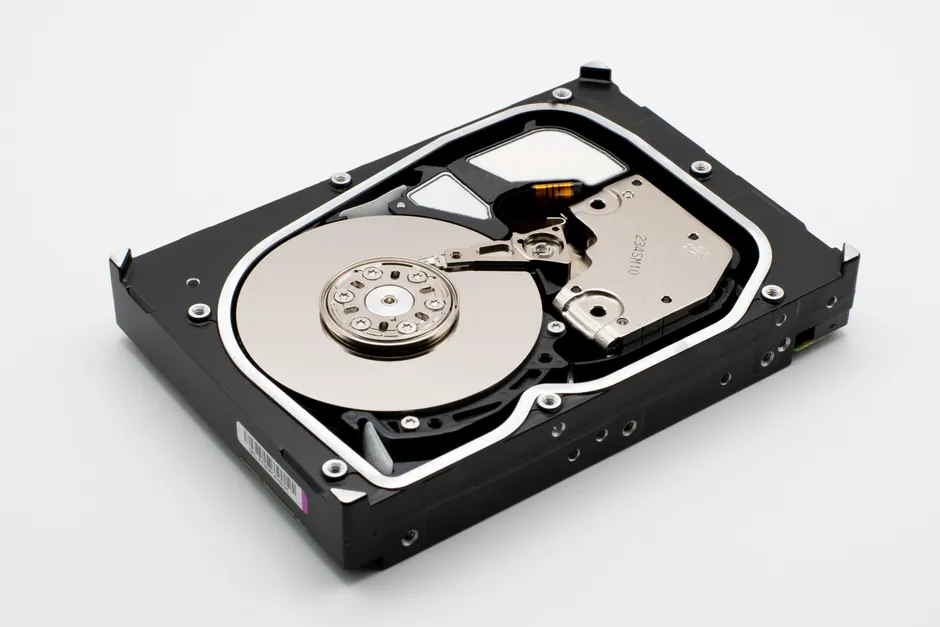
For thin-wall electronics enclosures in 2026, cold-chamber high-pressure die casting on a 160-400 ton clamping-force machine, paired with ADC12 or A380 alloy and 1.0-2.5 mm wall sections, is the spec that wins most RF, IoT, and LED driver housing tenders [S1][S2]. Zinc hot-chamber and magnesium cells cover only the connector, bezel, and ultra-lightweight corners of the same product line.
Tonnage is sized by projected area, not part mass: a 100 x 80 mm laptop-adjacent housing with ~80 cm² projected area lands in the 160-250 ton band at 60-80 MPa injection pressure, while a 200 x 150 mm server faceplate pushes past 800 tons [S1]. For reference, a wider selection framework, including the aluminum die casting machine class map, ties ADC12/A380 melt practice to shot weight and platen size.
Tonnage Window and Projected-Area Math
The 160-400 ton band (roughly 1,600-4,000 kN) covers the bulk of electronics-housing work because projected areas stay under 600 cm² and wall targets run 1.0-2.5 mm; auto structural castings push 800-3,500 tons, but electronics enclosures rarely cross 600 tons for that reason [S2]. A 280-300 ton cold-chamber cell hits ±0.1 mm tolerance on connector and sensor housings at 1-2 mm wall, with single-shift output around 4,000 pieces at stable yields above 98% [S5].
Over-sizing the machine costs real money: an oversized press can run 30-50% above an appropriately sized unit, idle power draw climbs 40%+, and die life can drop 20-30% from the higher specific injection pressure on a small cavity [S5]. The die-casting machine selection reference lays out the small, medium, and large classes for buyers who want the SKU-vs-tonnage view without doing the projected-area math themselves.
Alloy Decision: ADC12, A380, Zinc, Magnesium
ADC12 (JIS, near-A383) and A380 dominate Chinese Tier-1 die caster quoting for electronics work; A360, 6061, and 6063 are held back for parts that need stronger corrosion resistance or post-machining tolerance [S1]. A380's nominal thermal conductivity near 96 W/mK and ADC12's near 92 W/mK make them the safe pick for RF/EMI enclosures that also dump heat; zinc alloys sit at 105-110 W/mK as-cast but lose on stiffness and operating temperature [S1].
Zamak 3 and Zamak 5 win on dimensional tolerance and as-cast surface finish for connector shields and small cosmetic covers, with hot-chamber cycles that can fall under 1 s on sub-ounce parts [S2]. Magnesium enters when density targets sit below 1.0 g/cm³, handled on dedicated magnesium die casting machine cells with SF₆ cover gas to suppress melt oxidation [S2]. Where the housing sees sustained junction temperatures above 150 °C, the choice collapses back to ADC12 or A380, since zinc creeps well below that threshold [S1].
Wall Thickness, Vacuum, and Fill Behavior

Electronics enclosures typically run 1.0-2.5 mm walls in aluminum, and tightness on that spec is the single largest determinant of tonnage, cycle time, and porosity reject rate [S2]. Below 1.5 mm wall, fill velocity has to climb to 3-4 m/s and gate area must increase proportionally to avoid cold shuts and misruns; vacuum-assisted cold-chamber HPDC drops entrapped gas below 10 mbar, which is what makes leak-tight die cast housings possible without resin impregnation [S1][S4].
Aluminum's high melt and freezing points mean a sub-30 ms fill window for 0.5-1.0 mm features, so process control on more than a dozen variables, plus balanced runner, gating, and overflow design, decides between a clean shot and a misrun [S3]. Intensive cooling in the die is not optional on thin-wall work: conformal beryllium-copper inserts, internal waterlines spaced 8-12 mm from the cavity surface, and oil-temperature units held within ±1 °C of setpoint are standard [S1]. The trim press and extraction robot must sit in the same cycle window, so a 120-160 ton machine on a 60-second cycle needs a 6-axis robot with at least 5 kg payload, not a 3 kg pick-and-place unit [S1].
Cycle Time, Shot Weight, and Cavity Count
Cold-chamber aluminum housings land in the 60-180 s cycle band, with hot-chamber zinc cells dipping below 60 s on connectors and small bezels [S2]. Shot weight sets shot-sleeve diameter, and a 1.0-2.5 mm wall on a 200 x 150 mm smartphone-class housing maps to roughly 80-300 g of aluminum per shot, which calls for a 40-60 mm sleeve [S2].
For higher volume runs, multi-slide hot-chamber cells from suppliers such as Techmire, Dynacast, and Triad Speedcaster dominate connector-tier work, while horizontal cold-chamber cells from Frech, Idra, Italpresse, Weingarten, and Buhler Prince remain the historical references for chassis and heat-sink-integrated covers [S2]. Readers comparing cell formats at the part-cost level can cross-check with Aluminum vs Zinc Die Casting Machine Price and Cost Drivers, which lines up the per-shot cost delta between the two process routes.
Surface Finish, Plating, and Post-Process
Powder coating, anodizing, electroplating, and liquid painting are the four surface routes a full-service die caster will offer in-line; for EMI/RF shielding, zinc or tin-zinc electroplating over a chromate conversion coat remains the workhorse stack-up [S1]. Zinc hot-chamber surfaces often bypass secondary machining because the as-cast finish is smooth enough for cosmetic bezel work, while aluminum housings almost always see at least a chromate and a topcoat to lock in corrosion resistance [S2].
Buyers who also need a thicker, more durable housing wall can layer a thin-wall aluminum casting with selective structural CNC machining of bosses and interface features, since 6061 and 7075 plate stock tolerates post-machining far better than as-cast ADC12 or A380. For the plunger-side wear problem that comes with thin-wall high-pressure work, Aluminum Die Casting Plunger Tip Materials for High Wear Resistance maps the tip-grade choices against shot count.
Comparison: Process Routes for a Thin-Wall Electronics Enclosure
Lining the four routes against the same enclosure spec: cold-chamber aluminum on a 160-400 ton cell carries 60-180 s cycles, 1.0-2.5 mm walls, 92-96 W/mK thermal conductivity, and a working temperature ceiling above 150 °C, which is what makes it the default for RF, LED driver, and IoT gateway housings [S1][S2]. Hot-chamber zinc on a 160-400 ton cell drops cycles under 60 s, holds tighter as-cast tolerance, and wins on connector and bezel parts, but thermal conductivity drops and creep limits sustained temperature [S2]. Hot-chamber magnesium on a dedicated magnesium die casting machine cell is the right call below 1.0 g/cm³ density targets where EMI shielding is not the driver [S2].
Vacuum die casting machine cells earn their premium when the housing has to be leak-tight without impregnation, since a sub-10 mbar cavity pressure is what drives porosity down on 1.0-2.5 mm walls [S1]. For larger chassis or heatsink bodies, gravity die casting machine cells reach part weights up to 50 kg but lose the thin-wall resolution that drives most electronics work [S1].
When Aluminum HPDC is the Wrong Choice

Aluminum cold-chamber HPDC is the wrong spec for sub-50 g cosmetic covers that need a Class-A as-cast finish, where hot-chamber zinc multi-slide cells deliver tighter tolerance and lower per-shot cost [S2]. It is also the wrong call on parts where the projected area exceeds ~600 cm² without thin walls, since the tonnage math pushes the buyer out of the electronics-housing band and into 800-3,500 ton auto-class machines, which inflates capex by tens of percent for no part-quality gain [S2]. Finally, vacuum die casting machine cells are wasted capex if the wall never drops below 2.5 mm, since standard HPDC at 60-80 MPa intensification holds porosity within electronic-enclosure limits above that wall thickness [S1].
Track two signals on the next sourcing cycle: whether 1.0 mm-wall ADC12 yields at the chosen caster stay above 95% on a 60 s cycle, and whether the cell's oil-temperature unit holds within ±1 °C of setpoint across an 8-hour shift, since both numbers correlate directly with the porosity reject rate on leak-tight electronics housings [S1][S3].