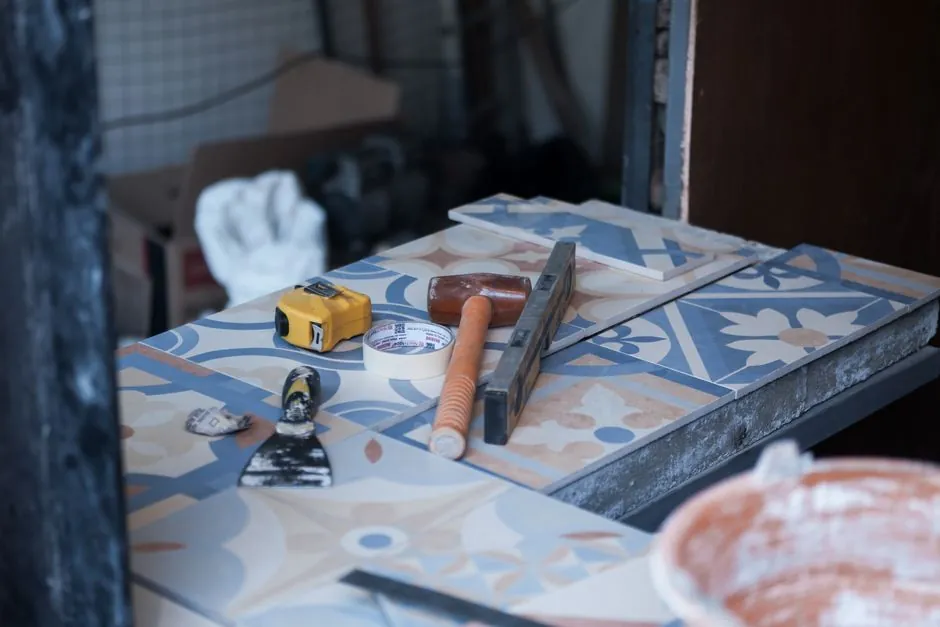
Renovation-grade architectural hardware selection is governed by four intersecting constraints: existing door prep (lock-bore, hinge mortise, slab thickness), local code class (egress, fire rating, ADA lever vs. knob), climate exposure (humidity, coastal salt, UV, freeze-thaw), and finish coordination across the project palette [S2].
The 2024-2026 shift away from satin stainless and stock brass toward gunmetal, dark umber, fused nickel bronze, and brushed bronze is reshaping the residential retrofit spec sheet, and invisible-frame doors with 2-3 mm gaps plus concealed closers are now mainstream in modern renovation work [S2]. For mountain and high-altitude renovations, the dominant specification is hand-cast bronze for thermal stability and patina development; designers should lock the hardware specification during design development, not during construction documents, to avoid door-schedule rework [S3].
What counts as architectural hardware on a renovation scope
Architectural hardware on a renovation project covers the full opening assembly: hinges, locksets (handleset, deadbolt, mortise or cylindrical), lever/knob trim, kickplates, door closers, pulls, pocket-sliding gear, weatherstrip, thresholds, and, for accessibility upgrades, ADA-compliant lever handles replacing knobs [S1][S2].
On a typical entry-door retrofit, four components drive the spec: handleset, deadbolt, hinges, and optional kickplate, while patio retrofits replace those with multi-point pulls, foot locks, and security bars matched to the sliding or French-door system [S1]. Façade and fenestration hardware (window operators, casement stays, pivots, and concealed closers) is treated as a parallel spec stream with its own finish and corrosion budget [S2].
Selection criteria, ordered for spec engineers
Selection criteria rank in this order for a working spec: (1) code and egress, (2) climate/corrosion, (3) structural duty, (4) finish and palette, (5) access-control integration, (6) lead time and stocking, (7) budget [S2]. Code class (residential Grade 3 vs. commercial Grade 1) sets the baseline duty cycle: ANSI/BHMA A156.36 auxiliary hardware, A156.2 lever handles, and A156.5 mortise cylinders remain the relevant U.S. benchmarks for renovation lock-bore prep.
Climate drives the material call. Coastal and pool-adjacent renovations should default to solid brass or 316 stainless with PVD finishes; humid interior retrofits can use zinc die-cast with quality plating, while freeze-thaw exterior retrofits demand sealed bearing hinges and corrosion-rated fasteners [S2]. Door weight and frequency are the next gate: standard residential hinges are sized for 1-3/8" to 1-3/4" interior slabs up to about 100 lbs, while oversized pivot or pivot-bearing entry doors above roughly 200 lbs need continuous or pivot-rated hinge geometry, and pocket sliders with dual-track service tracks eliminate wall-open servicing [S2][S3].
Finish is the most visible lever. Recent trend data shows designers moving off satin stainless and basic black into gunmetal, dark umber, fused nickel bronze, and brushed bronze for residential work, with the constraint that dark and living finishes (oil-rubbed bronze, antique brass) show hand patina and cannot be cross-matched across vendors without sample approval [S2]. Access control is the fastest-moving variable: digital door locks with biometric and remote access are specified into the lever set itself, eliminating the separate escutcheon on integrated-lock-lever designs [S2].
Options compared on the four decision criteria that actually break ties

For renovation retrofits, the realistic material families are brass/bronze (cast or forged), stainless steel (304 vs. 316), zinc die-cast with plating, and aluminum/forged iron for Mediterranean or Spanish Colonial work [S1][S3]. Compared on the four decision criteria that usually break the tie in a renovation meeting: corrosion resistance ranks stainless 316 > bronze > brass > plated zinc; patina/living finish ranks bronze > brass > stainless > plated zinc; weight and pivot-duty capacity ranks bronze and stainless ahead of zinc; cost and lead time rank plated zinc fastest (stock) and bronze longest (6-10 weeks typical for custom sets) [S3].
For invisible-frame modern retrofits, the comparison is between concealed-hinge aluminum systems, pocket sliders with dual-track service tracks, and integrated-lock-lever sets versus traditional mortise locks with separate escutcheons; pocket sliders now allow fixed track at rough-in plus a removable service track for adjustment, which solves the historic maintenance objection on retrofits where wall access is destructive [S2]. For an existing opening being converted to a digital lock, integrated-lock-lever designs avoid the second bore and read cleaner against minimalist slab doors, but they still require a 2-1/8" cross bore and 1" edge bore in the standard retrofit position unless the slab is being replaced.
Climate, exposure, and finish durability for renovation environments
High-altitude and mountain renovations amplify thermal cycling: silicon bronze (C87300/C87600-class casting alloys) and similar cast bronzes are specified because their thermal expansion coefficient sits close to that of typical wood substrates, reducing grip-and-loosen cycles on mortised parts across winter lows below 0 F and summer highs above 90 F [S3].
Patina development is a deliberate finish decision, not a defect: living finishes (oil-rubbed bronze, antique brass, aged bronze) are intended to evolve, so spec writers should warn the client that the lock face 18 months in will not match the unboxed sample, and they should request a sealed or waxed finish if the design intent is a static look [S3]. Salt-air and pool-chloride exposure shifts the call: 304 stainless is acceptable for most interior conditions but is not the right pick within roughly 1-2 km of a surf coast or in an enclosed pool area, where 316 stainless or solid bronze with marine-grade PVD is the durable answer [S2].
Specifying door hardware on a renovation: schedule, drawings, lead time
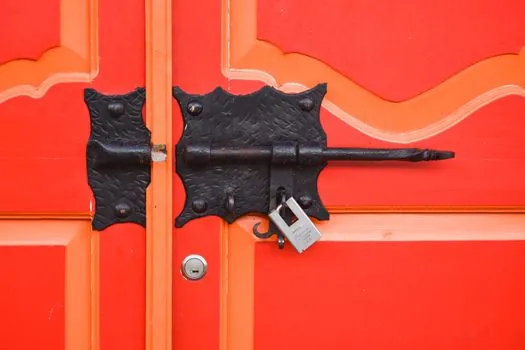
The hardware specification belongs in the design development phase, before the construction documents are locked, so lock bores, hinge mortises, and strike plates land in the right slab from the first cut [S3]. Renovation work is more sensitive to this than new build because existing door prep dictates which retrofittable locksets will actually drop in, and changing a 2-3/8" backset to 2-3/4" after trim installation is a callback.
Standard lead times run roughly 1-2 weeks for stock brass or zinc lever sets, 3-4 weeks for 304/316 stainless builders' hardware, and 6-10 weeks for custom cast-bronze or hand-forged sets, with European-shipped concealed-hinge systems trending longer; this lead-time curve should be on the Gantt chart at design development, not at shop drawing review [S3]. For renovation scopes that also involve façade or fenestration upgrades, see the broader context on architectural hardware coordination, where window operators, casement stays, and pivot sets are specced off the same finish and corrosion budget as the door hardware [S2].
Who renovation hardware selection is for, and who it is not for
Renovation architectural hardware selection is for the project team coordinating a partial opening replacement, an accessibility (ADA) lever retrofit, a finish refresh across existing doors, or a code-driven upgrade after a fire or egress inspection; the spec is anchored to existing door prep, existing slab thickness, and existing frame geometry [S1][S2][S3].
It is not for new construction where the slab, frame, and rough openings are all being designed together; in that case the spec is simpler because the lock bore, hinge mortise, and backset can be set to the hardware, not the other way around, and the same selection framework still applies but with the lead-time and existing-prep constraints removed. It is also not for industrial or hazardous-location openings, where the pressure-rated building-pipe hardware family and explosion-proof or fire-rated assemblies carry the load, not decorative residential hardware. For openings that also need process or HVAC isolation, the industrial valve spec stream sits adjacent but is a separate decision.
Common failure modes and constraints to flag in a renovation spec
Top failure modes on renovation hardware: mismatch between existing backset (2-3/8" vs. 2-3/4") and the new lockset, leading to a misaligned strike; finish drift between lots when the same SKUs are reordered six months later; living-finish patina on a sidelight that was specified to match a static-finish entry set; and pocket-slider tracks that were installed without the serviceable dual track, forcing wall-open maintenance later [S2][S3].
Additional constraints: integrated digital locks require a stable 12-24 V DC supply or quality battery compartment and will not retrofit cleanly into a door that has no interior cavity for a wire run; invisible-frame doors with 2-3 mm gaps demand concealed-hinge geometry that not all existing frames can accept; and pocket sliders in renovation work need a stud-framing check, because the cavity wall must be deep enough to swallow the slab plus track stack-up, which is the single most common field surprise on sliding-door retrofits [S2].
Sourcing, standards, and verification checklist
For a working renovation hardware spec, the verification stack looks like this: lock and lever grade to ANSI/BHMA A156.2/A156.36, closer grade to ANSI/BHMA A156.4, threshold and weatherstrip to ASTM E283/E331 air and water classes, and finishes to AAMA 2603/2604/2605 for painted aluminum or to ASTM B488 for gold; fire-rated openings must carry a UL or Intertek fire label that matches the existing door assembly, not just the hardware [S2].
For design review, the practical checklist is short: door schedule locked at DD, existing field dimensions verified, finish samples approved in person (not from a screen), backset and bore pattern confirmed against the existing slab, climate exposure category assigned, and the lead-time curve pushed into the procurement schedule at least 8-10 weeks before rough-in for any custom cast-bronze set [S3].
Trackable signals over the next 6-12 months: wider rollout of integrated-lock-lever sets across mid-range residential catalogs (currently concentrated in luxury and European import lines), a continued drift toward gunmetal and brushed bronze as the default living finishes, and incremental standardization of dual-track service pockets so they become stock rather than special-order for renovation retrofits [S2].
This topic is covered further in Shock absorber selection for textile mills: sizing, types, and textile-specific pitfalls.