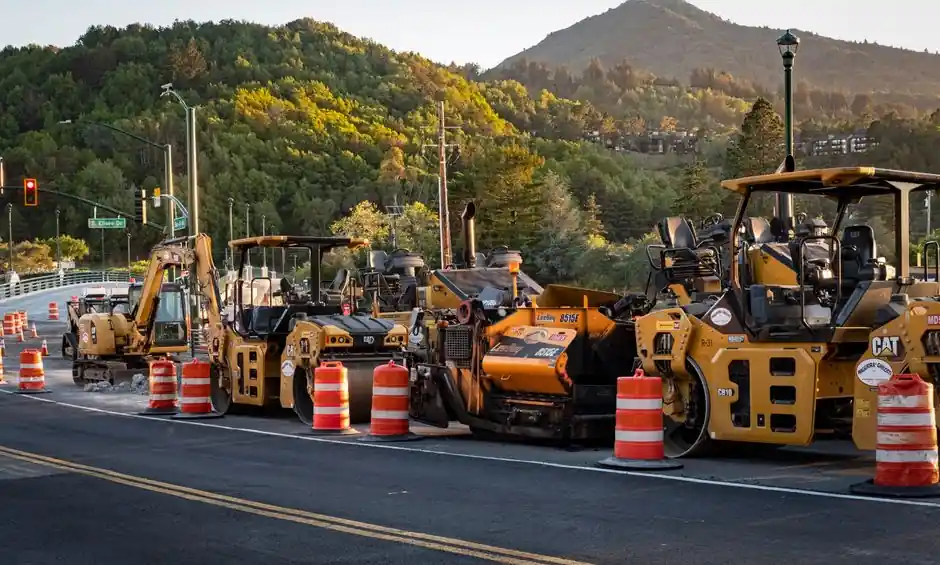
Asphalt paver selection for road construction is driven by four linked specifications: paving width class, hopper capacity, undercarriage (track vs wheel), and screed automation level, all set against the dominant project type in the contractor's pipeline [S2][S3].
An asphalt paver is a self-propelled machine that receives hot mix asphalt from dump trucks, conveys it through a scraper floor, distributes it via left/right augers, pre-compacts it with a vibrating beam, and finishes it under a heated screed to a specified thickness and smoothness [S1]. The global market for this equipment is projected to exceed $3.7 billion by 2032, with infrastructure demand and automation both rising [S2].
Match Paver Class to Paving Width Bands
Three paving width bands map directly to project scale: 1.5–4 m for residential roads, driveways, and pathways; 4–8 m for urban roads, commercial developments, and industrial yards; and 8 m and above for highways and major infrastructure [S3]. A hydraulic retractable screed is the standard hardware that lets a single machine cover more than one of these bands, because it allows width adjustment on the job without changing the basic machine size [S1].
Contractors whose work concentrates in the 10–12 ft (3.0–3.7 m) range should screen candidates for screeds sized to that window, while highway-class buyers should require continuous high-volume laying and wide screed range, with the support fleet (trucks, road rollers, milling machines) checked for production-rate compatibility [S2][S4]. Buying a machine that only fits one band locks the contractor out of adjacent work, while buying a band higher than typical work means paying for unused capacity for the life of the unit [S2].
Hopper Capacity, Conveyor Speed, and Truck Cycle
Hopper volume sets how long the paver can lay between truck arrivals; undersized hoppers create bottlenecks that force the crew to stop and wait, while oversized hoppers add dead weight and transport cost [S2][S3]. Daily production target, truck loading frequency, project timeline, and crew size are the four inputs that should drive hopper selection, with high-production highway work favouring larger hoppers to maintain continuous flow [S3].
Conveyor speed must be matched to the auger/auger chamber design so material delivery stays ahead of the screed without starving or flooding the augers, which is the leading cause of segregation and surface tearing [S1][S2]. For a fleet view, contractors should also confirm roller construction machinery and equipment can keep pace with the paver's peak laydown rate, otherwise the bottleneck simply moves one machine downstream.
Track vs Wheel Undercarriage Decision
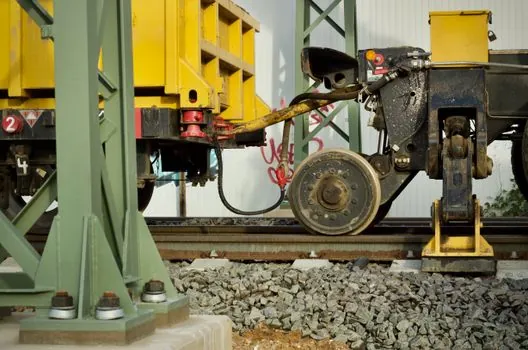
Wheel-mounted pavers are typically faster on the road, easier to relocate between urban sites, and are favoured for existing road surfaces and tight turning radii [S8]. Tracked pavers deliver higher traction and a more stable platform on soft ground, sloped surfaces, rural roads, and infrastructure work with varying elevations, at the cost of lower travel speed and higher undercarriage wear [S3][S8].
Site mix is the deciding variable: a contractor paving mostly flat urban arterials will lose productivity on tracks, while a base-course crew working on recompacted subgrade will lose accuracy and traction on wheels [S3][S8]. For mixed pipelines, the practical compromise is a mid-sized wheel paver for urban work paired with a rented tracked unit for the highway season, rather than overbuying one machine to cover both.
Screed Type, Heating, and Automation
The screed is the mat-quality component, and it is available as fixed mechanical or hydraulic retractable, with electric or gas heating to keep the plate hot and prevent material sticking [S1]. Hydraulic retractable screeds dominate the current market because they let the same machine pave variable widths, which is the single most common reason contractors upgrade from a compact to a mid-sized asphalt paver [S1][S3].
Automation is now a baseline expectation rather than an option, with automatic grade and slope control, real-time sensors for paving speed, vibration frequency, screed height, and mat temperature, plus Beidou or laser leveling for high-precision work on the higher-tier models [S1][S2][S6]. A practical spec floor for any new buy in 2026 is automatic grade control, because it is the feature that most directly cuts rework, labour hours, and material waste on the job [S2][S6].
Comparison: Compact Wheel vs Mid-Size Track vs Highway-Class Tracked Paver
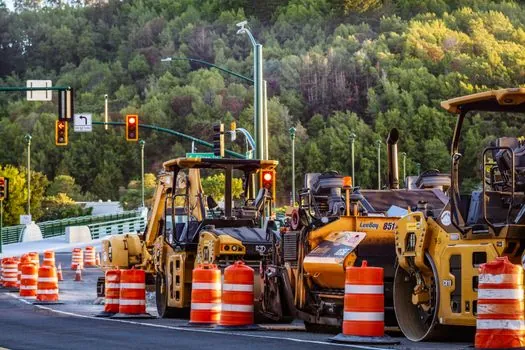
Three candidate configurations cover the bulk of contractor pipelines, and the decision is best made against four criteria: typical paving width, primary terrain, mat-quality automation, and indicative ownership cost band [S2][S3]. Compact wheel pavers (typically 1.5–4 m pave width) win on urban maneuverability and transport weight, lose on traction and continuous-flow capacity. Mid-size tracked pavers (4–8 m) are the balanced choice for mixed municipal and light-highway work, giving up travel speed for mat quality. Highway-class tracked pavers (8 m+) win on laydown rate and screed width range, lose on transport cost between jobs and capital outlay [S2][S3].
Project Pipeline, Support Fleet, and Total Cost of Ownership
The first selection step is to break the project pipeline by percentage into residential, commercial, and highway work, because that mix dictates capacity class more than any single project does [S2]. Contractors are also advised to look three to five years forward, since a machine bought for today's pipeline will be the machine that has to compete for tomorrow's tenders [S2].
Total cost of ownership is driven as much by fuel, labour, maintenance, and downtime as by purchase price, so buyers should weight automatic grade/slope controls and component durability heavily in scoring, and confirm the dealer network can deliver parts and service within the project window [S2]. Material-side factors (asphalt grade selection, aggregate gradation, mix-plant coordination) sit outside the machine spec but still dictate whether a given paver can hit its rated smoothness and density on a real job [S4].
Use Cases, Limitations, and Failure Modes
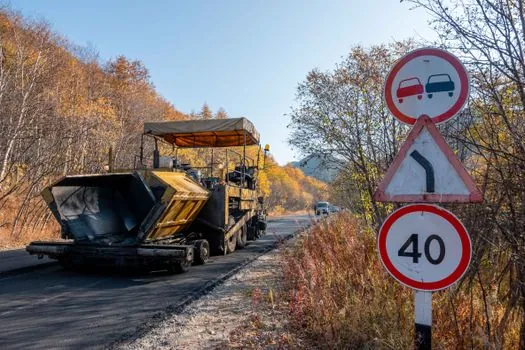
For a 2-lane county road resurfacing job in the 4–6 m band on a firm subgrade, a mid-size tracked paver with hydraulic retractable screed and automatic grade control is the conservative fit, and it pairs with a 10–12 ton tandem for breakdown rolling and a pneumatic-tire roller for finish rolling [S1][S2]. For municipal street work with frequent utility cuts and tight intersections, a compact wheel paver is the better tool because repositioning speed and turning radius dominate the daily output, not peak laydown rate [S3][S8].
Common failure modes in the field are not catastrophic breakdowns but mat defects: segregation from auger starvation or flooding, surface tears from cold screed plates, and smoothness loss from screed height drift when automation is absent or miscalibrated [S1][S6]. The cure is rarely a bigger paver, it is a properly specified screed with reliable heating, an auger feed matched to conveyor speed, and a control system that holds grade and slope to the design tolerance [S1][S2][S6].
Standards, Sourcing, and 2026 Buying Signals
Mixture and pavement performance follow established design guidance from bodies such as the National Asphalt Pavement Association (NAPA), which contractors are advised to consult when sizing equipment against expected mix designs and lift thicknesses [S2]. Hot Mix Asphalt (HMA) remains the dominant flexible-pavement material in U.S. road construction, which sets the mat-temperature window and the truck-cycle constraints the paver must work within [S7].
Trackable signals for a 2026 purchase decision: (1) dealer confirmation that automatic grade/slope and screed heating are standard rather than optional on the targeted model; (2) published hopper volume and conveyor tonnage-per-hour figures that match the planned truck cycle; (3) undercarriage parts availability and rental-fleet depth in the operating region, which directly affects downtime exposure over the machine's life [S1][S2][S3]. For buyers also weighing cold-milling and roller support equipment, the related selection logic for cold milling machines and road rollers follows the same width/capacity matching principle and is worth reading alongside a paver buy.