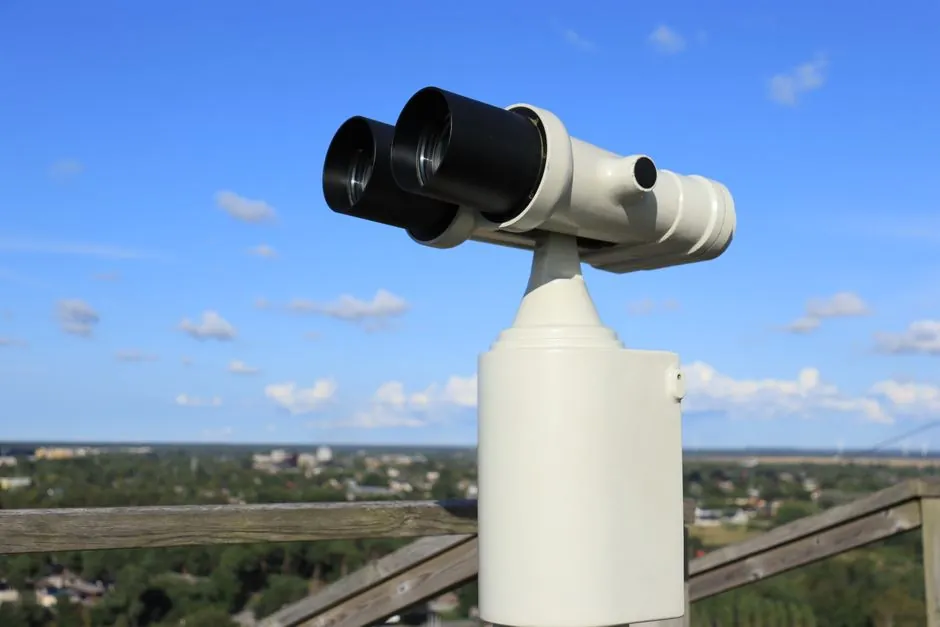
An auto level is an optical surveying instrument whose internal compensator automatically corrects the line of sight to horizontal once the circular bubble is roughly centered, eliminating the per-shot two-foot screw dance required by a dumpy level [S1][S2].
The instrument is a staple of civil and building-site work because it pairs that auto-correction with a magnified telescope, tripod, and graduated stadia rod, hitting typical differential-leveling accuracies well inside the sub-centimeter per 30 m range that most site grading and foundation checks require [S2].
What an Auto Level Actually Does
The four primary parts of an automatic builders level are the bubble or circular level, the telescope with a magnifying glass, a tripod with clamps, and a marked stadia rod [S2]. The user roughly levels the circular vial with three foot screws, and an internal pendulum compensator then takes over to bring the line of sight truly horizontal, so the eyepiece reading of the stadia is taken directly without any further manual adjustment [S1][S2].
Setup is short and the kit is rugged: automatic construction levels are designed for quick setup, resistance to dirt and dust, accidental submersion survival, and self-releveling on an unstable or uneven surface, which is why they are the most popular worksite choice over purely manual spirit levels [S2]. Operation is a two-person job, with Person A squaring the bubble and Person B reading and calling the rod, while a partner cross-checks readings to reduce gross errors [S2].
Where the Auto Level Wins on Site
Eight benefits recur in field references: easy to use, no manual adjustment for the staff reading, bubble adjustable from any side or angle using the three screws, automatic line-of-sight correction via the internal compensator, higher measurement accuracy than a manual spirit level, more reliable results, time and cost savings from the simplified workflow, and a low, affordable purchase price compared with total stations or theodolites [S1][S3]. The same sources flag reliability and accuracy as the core reasons the instrument has become popular among surveyors in civil field work [S4].
For routine height-of-instrument traverses, floor-level checks, pipe-laser setup benchmarks, and grading control, that combination, fast leveling, repeatable readings, and a low per-instrument cost, is exactly the trade-off a contractor wants versus renting a total station [S2]. The instrument is also marketed broadly as a construction level, builders level, and laser level in distributor catalogs, indicating that the same form factor is sold for general contracting, concrete work, and landscaping layout [S2].
Where the Auto Level Falls Short
Two structural limitations are consistently flagged. First, vertical angles cannot be measured on a standard auto level, so any task that needs a zenith or elevation angle is out of scope without a separate instrument [S1]. Second, the horizontal-angle capability that an auto level does have is not very accurate compared with a theodolite or total station, so it should not be used for traverse work where azimuth precision matters [S1].
Practically, that means an auto level is a height-difference tool, not an angle tool. For angular work, surveyors step up to a theodolite or total station, and for distance plus angle in one head, the automatic-level category page in this encyclopedia frames the instrument as part of a wider family of optical and laser leveling devices rather than a standalone total solution. Site crews that need both accurate heights and accurate angles typically run an auto level for leveling plus a theodolite for angles, or move to a single total-station workflow when budgets allow.
Auto Level vs Dumpy Level vs Theodolite: A Spec Comparison
The cleanest way to position the auto level is against the two instruments it most often replaces or sits alongside, the dumpy level and the theodolite, on the criteria a foreman actually weighs. On setup speed the auto level beats both because the compensator does the fine leveling; on cost it is cheaper than a theodolite and roughly comparable to a dumpy level; on vertical-angle measurement it scores zero, where a theodolite scores full marks; on horizontal-angle accuracy it is the weakest of the three; and on pure height-difference precision per shot it matches or beats a manual dumpy level once the operator is trained [S1][S2].
That matrix is why a survey crew on a slab-pour day reaches for the auto level, while a boundary retracement crew reaches for the theodolite. Choosing the wrong tool for a job is the most common procurement error on small sites, and it shows up as either blown vertical-angle tolerances on the auto level or wasted per-shot setup time on a theodolite doing simple leveling. A linked construction-machinery-and-equipment overview is a useful cross-reference when an auto level is being specified alongside compactors, cutters, and other site kit.
Who Should Use One, and Who Should Not

Auto levels are for civil contractors, building surveyors, landscaping crews, and concrete or foundation crews who need fast, repeatable height differences across many shots in a day, and who are working within a budget that rules out a total station [S1][S2][S4]. They are also a good teaching instrument for trainee surveyors, because the simplified workflow lets a student focus on rod reading and booking rather than instrument trivet gymnastics [S2].
They are not for users who need vertical angles, who need survey-grade horizontal angles to traverse standards, or who need one instrument to do both at once. In those cases, a theodolite or a total station is the correct spec, and the auto level is either left in the truck or relegated to a quick height-check role. Buyers shopping the category can compare options in the broader construction-machinery-and-equipment encyclopedia entry and weigh the auto level against powered hand tools such as the cutters covered in marble cutter spec guides when planning site equipment packages.
Failure Modes and Field Limits to Plan For
Even with auto-leveling, the circular bubble must be brought inside the compensator's working range by the foot screws before any reading is taken, or the pendulum will hit its end stop and the line of sight will be silently wrong [S2]. Dirt on the compensator or a mechanical shock that knocks the pendulum out of calibration will produce systematic reading errors that look like site error, so a two-peg test before each shift is standard practice on critical work. Temperature gradients across the line of sight, for example sun on one side of the telescope, can also deflect the beam, which is why backsight and foresight distances are kept roughly equal in differential leveling.
Range is set by the telescope and the rod, not by any electronic limit, so the practical ceiling is the readability of the stadia at distance and the operator's ability to keep the line of sight clear of traffic and heat shimmer. For long-range or night work, crews typically step up to a laser-based automatic leveling instrument family or to a total station, rather than push a telescope-only auto level past its usable range.
Procurement and Sourcing Notes
Entry-level automatic builders levels are widely listed as affordable compared with theodolites and total stations, which is why they dominate the small-contractor segment of the surveying-equipment market [S1][S2][S3]. Distributor pages group the instrument under several labels, including automatic level, construction level, builders level, and laser level, and the same form factor is sold for general contracting, concrete work, and landscaping layout [S2]. Cross-references for adjacent categories in the catalog sit under the lighting-equipment-and-electric-lamps hub and the broader construction-machinery-and-equipment index, where buyers can place the auto level against powered hand tools such as those covered in oxy-fuel cutting torch selection when kitting out a site.
One trackable signal for the next planning window is whether more optical auto-level SKUs start to bundle digital readouts or Bluetooth staff readers, which would close the largest remaining source of human error in the workflow. Another is the slow drift of mid-tier models toward laser-assisted self-leveling, which would extend the usable range and reduce the need for a two-person rod-and-instrument crew on long-run grading work.