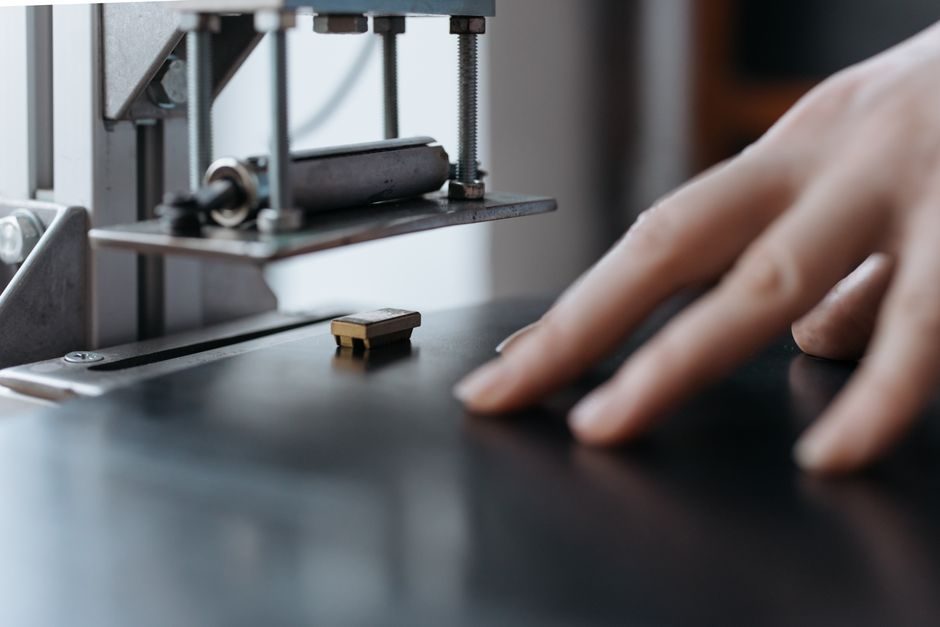
Across 2026-05 China B2B listings, automatic molding lines cluster into four cost bands tied to line type and throughput: small food/confectionery lines at US$ 19,500-49,500 per piece, mid-range industrial blow molding at US$ 58-68 per set (high-volume MOQ 100), dedicated plastic-bottle stations in the low six figures, and full plastic-pipe extrusion molding line installations spanning US$ 3,000,000-92,000,000 per set [S3][S1].
Spec, not sticker, gates the order. Output rate (kg/h or bottles/h), number of stations, mould-clamp force, automation level (semi vs. fully automatic molding line), control platform, and auxiliaries (chillers, robots, granulators) account for the spread between the low five figures and the eight-figure top end [S1][S2][S3].
Four Price Bands from 2026-05 Listings
On 2026-05-30 Made-in-China posted a Henan-built one-shot full-automatic Mars-style chocolate bar molding production line at US$ 19,500-49,500 with a 1-piece MOQ — the entry point for a food-grade automatic molding line [S3]. The same page lists a Zhangjiagang extrusion-molding plastic-pipe production line from US$ 3,000,000 to US$ 92,000,000, MOQ 1 set, the upper bound representing a turnkey, multi-extruder pipe compounding and sizing package [S3].
Industrial blow-molding equipment sits between those poles. A 2026-05-16 listing shows an eco-friendly automatic industrial plastic blow-molding machine at US$ 58.00-68.00 per unit against a 100-unit MOQ — a price floor valid only for the high-volume, single-cavity, container-shape category, not a comparable benchmark for a multi-station dairy or chemical bottle line [S1]. A 2026-05-20 supplier card for a Jwell CE/ISO HDPE double-station plastic blow molding machine for 2L/5L/12L/20L oil bottles — CE-marked and ISO-aligned — was promoted as a recommended product on the same portal, reflecting the automatic level buyers in Europe and the Middle East typically request for fuel-container builds [S2].
Spec Levers That Move the Order Value
Five levers dominate the quotation. First, line type — chocolate, blow, extrusion, injection-blow or sandwich — sets the floor: a chocolate bar line starts near US$ 20k, a pipe extrusion line starts at US$ 3M [S3]. Second, hourly output: container machines are often quoted per bottle/h, while pipe lines are quoted per kg/h or t/yr, so buyers must normalise to a common unit before comparing. Third, station count: a single-station blow machine covers the US$ 58-68 tier, while a double-station HDPE oil-bottle line (Jwell pattern) targets 2L through 20L in one cell, lifting both capex and throughput per shift [S2].
Fourth, control and certification. CE marking and ISO 9001 are baseline asks on Made-in-China recommended listings [S2]. Plants shipping into the EU also layer ATEX 2014/34/EU zone classification for any solvent- or dust-laden cell; buyers should confirm zone, gas group and temperature class on the supplier datasheet, not on a generic brochure. Fifth, auxiliaries — auto loaders, chiller, mould-temperature controllers, granulators, leak testers, take-away robots, and downstream printing or leak-test stations — frequently equal 30-60% of the line price on a multi-station bottle or pipe cell, and are routinely excluded from headline unit price on Made-in-China cards [S1][S3].
Who Should Buy What in 2026
Confectionery and small-packaging buyers with a 1-piece MOQ tolerance are correctly served by the US$ 19,500-49,500 chocolate-bar cell from Henan suppliers, and should treat the lower end of that band as a baseline-only machine with manual upstream feeding [S3]. For plastic containers at scale, the US$ 58-68/100-unit tier is an industrial blow-molding pricing floor and is appropriate only for high-MOQ buyers of single-cavity, narrow-neck products; it is not a comparable benchmark for dairy, agrochemical or specialty chemical containers that need multi-station, double-station, or extrusion-blow architectures [S1][S2].
For pipe, profile, and large packaging builds, the US$ 3M-92M extrusion line is the only relevant band [S3]. A US$ 3M figure typically covers a single-extruder PVC or PE line for drainage or cable conduit; the US$ 92M upper end is a turnkey multi-line compounding and sizing plant — orders of magnitude apart in scope, and a buyer who quotes one number without scope pages is setting up a rework loop with the vendor. The automatic molding line vs. core making machine spec cut explains the same scope-discipline lesson on the foundry side.
Comparison: Three Line Types Across Four Decision Criteria
For 2026 budgeting, the main options can be lined up against four criteria — capex band, typical output, MOQ behaviour, and certification baseline. A chocolate-bar automatic line sits at US$ 19,500-49,500 per piece with a 1-piece MOQ, food-grade output suited to retail bars, and ISO 9001 as a common baseline [S3]. An industrial blow-molding machine sits at US$ 58-68 per unit at 100-unit MOQ, container-grade output for narrow-neck packaging, with CE marking as the typical baseline [S1][S2]. A pipe extrusion molding line sits at US$ 3,000,000-92,000,000 per set at 1-set MOQ, pipe-grade output in the t/h range, with CE/ISO plus project-specific certifications layered for water-supply or gas-pipe builds [S3].
The four criteria show why a single "automatic molding line price" number is meaningless without line type. Capex band spans roughly five orders of magnitude; MOQ ranges from 1 piece to 100 units; output unit changes from bars/h to bottles/h to kg/h; and the certification baseline shifts from ISO 9001 only to CE plus sector-specific marks — so a vendor quotation missing any one of these four is not yet a budget input.
Use Cases Drawn From the 2026 Listings
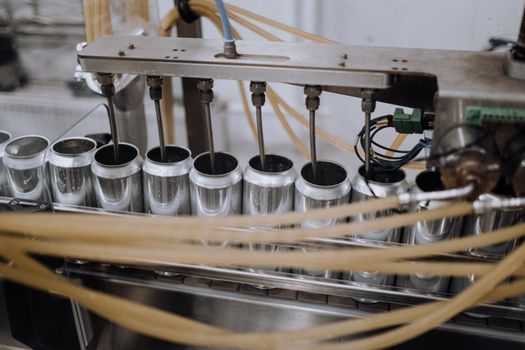
Three live use cases anchor the price bands. Case 1, chocolate-bar cell: a Henan-built Mars-style line at US$ 19,500-49,500 per piece is sized for 1-piece MOQ buyers producing retail chocolate bars, with the lower end tied to a manual-feed, single-flavour configuration [S3]. Case 2, HDPE oil-bottle double-station blow: a Jwell CE/ISO machine covering 2L, 5L, 12L and 20L jerry cans — a fuel-container cell that EU and Middle East buyers specify with ATEX 2014/34/EU zone assessment for the solvent-handling cell [S2]. Case 3, plastic-pipe extrusion plant: a Zhangjiagang line at US$ 3,000,000-92,000,000 per set covers drainage, cable conduit, and pressure-pipe applications; the upper end maps to a compounding-and-sizing turnkey, the lower end to a single-extruder cell [S3].
The core making machine 2026 price guide applies the same band-and-lever logic to the foundry side, and is the natural cross-reference when a buyer is scoring molding automation capital allocation across both plastics and metals.
Limitations, Failure Modes and Sourcing Reality
Three failure modes recur in 2026 Made-in-China sourcing. Second, MOQ compression: the US$ 58-68 tier carries a 100-unit MOQ, which only a packaging OEM or a regional distributor can absorb; a single end-user will be quoted a one-off cell at multiples of that floor [S1]. Third, certification drift: CE-marked machines on the Jwell-style recommended listing address electrical safety, not zone classification, so a fuel-container or solvent line still requires a separate ATEX 2014/34/EU assessment for any cell handling flammable vapour [S2].
A verifiable next step is to lock the quotation envelope to line type, kg/h or bottles/h, station count, control platform, ATEX/IECEx zone scope, and an auxiliaries-inclusive capex figure before issuing an inquiry. Two trackable signals to watch: revision of the Made-in-China recommended-supplier list for HDPE double-station blow machines, and any 2026-H2 update to the US$ 3M-92M pipe-line band as steel and resin indexes move. For a parallel read on motion-component pricing that often rides alongside a new molding cell, the linear module price 2026 article covers stroke, drive and payload levers in the same band-and-lever format.