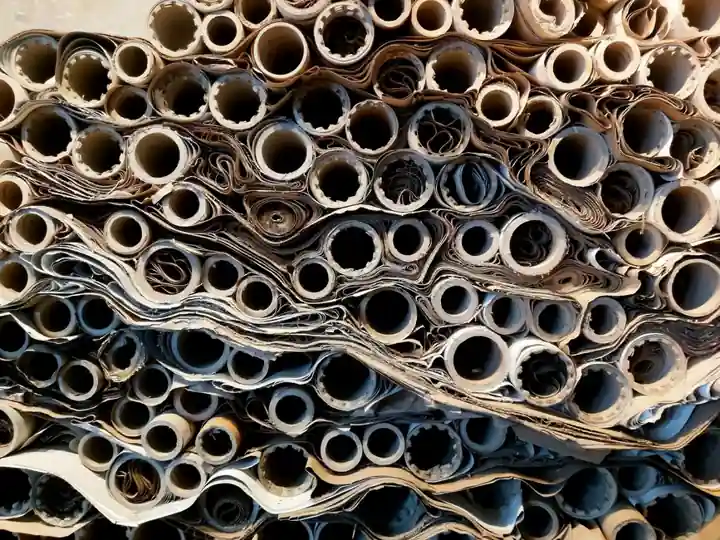
A pulp and paper machine is one of the harshest bearing environments in continuous-process industry: acid leaching from calcium-sulphite cooking liquor, alkali carryover in the bleach plant, 180°C dryer-can surface temperatures, steam washdown, and paper-stock contamination have all to be absorbed by the same bearing housing. Selection, in practice, comes down to four gates: chemistry of the stock, temperature of the surrounding air and shaft, ingress protection for water and fibre, and the load/speed envelope of the driven equipment.
Across new paper-machine rebuilds and greenfield mills, sealed deep-groove ball bearings in the 6200 and 6300 metric series remain the default fit for fans, calender rolls and most dryer-section idlers, with spherical roller or sealed 22200-series fitted on the press section where radial load peaks. For washdown zones and the bleach plant, the practical upgrade is a full stainless-steel deep-groove unit with 2RS contact seals on both faces, and where dry-end heat climbs, hybrid ceramic balls in a steel race raise the thermal limit without changing the housing.
Why pulp and paper is a different problem from general machinery
Pulp and paper sits at the intersection of three corrosion mechanisms that most bearing catalogues treat separately: acidic cooking liquor below pH 3 in the digester and brown-stock washers, alkaline carryover in the bleach tower with pH above 10, and chloride stress-corrosion cracking on any 400-series stainless part that is not properly passivated. A 52100 chrome-steel bearing that would last 50,000 hours in a clean motor application will pit within a single annual campaign in an unbleached kraft washer [S1].
Temperature is the second discriminator. Dryer-section exhaust routinely runs 150-180°C, and dryer-can pillow blocks sit close to the steam joint. Standard 2RS contact-seal nitrile limits to roughly 110-120°C continuous; fluoroelastomer (FKM, FPM) shields or metal-shielded (2Z) units with high-temperature grease are the working answer. Beyond the dryer, the calender stack adds heavy point loads, which is why a plain deep-groove ball bearing is wrong for a calender bottom roll: a spherical roller bearing or a ball bearing with a larger cross-section (e.g. 6300-series instead of 6200-series) is the right starting point.
The four selection gates for paper-machine bearings
Gate 1 is chemistry. For dry-end exhaust and the calender, chrome steel with proper sealing is acceptable, and the cost saving is large.
Gate 2 is temperature. Match seal elastomer to the local air temperature, not to the bearing OD: 2RS with FKM to 180°C, 2Z metal shields with high-temperature polyurea or PFPE grease to 200°C and above. Gate 3 is washdown. IP65 is the floor for any hose-down zone; IP66 or IP69K is required where the bearing sits in the direct spray pattern of a high-pressure cleaning lance. Gate 4 is series fit. As a rule: 6200-series for fans, light conveyors and motor-frame accessories; 6300-series for press-section rolls, calender stacks, and any drive shaft with combined radial and axial load; 22200-series spherical roller for the press section where misalignment is unavoidable and loads exceed the 6300-series dynamic load rating.
Material options lined up: chrome steel, stainless, plastic, hybrid
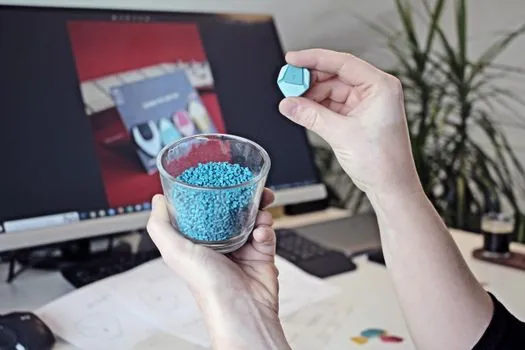
Chrome steel (AISI 52100, DIN 100Cr6) is the baseline: highest load rating, narrowest tolerances, lowest cost, but it needs grease and a seal, and it corrodes the moment the seal lip cracks. Full stainless (AISI 440C rings and balls, 304/316 pressed-steel cages) raises corrosion resistance at the price of 15-25% lower dynamic load rating and harder machinability. [S3]
Plastic-race ball bearings (e.g. CSB-PRB series with high-performance polymer rings, cages, and stainless/glass/ceramic balls) are the corrosion-resistant low-load option: self-lubricating, tolerant of acid-base alternation, but limited to light radial loads and low-to-moderate speeds. The PRB15 grade in particular is dimensionally stable in humidity and water, which makes it a fit for the wet-end where grease washout is a recurring failure [S1].
For the dry-end, chrome steel with FKM 2RS seals is the workhorse, because the limiting factor is heat, not corrosion. The cost ranking, roughly, is: chrome steel < stainless < hybrid ceramic < polymer-race, in that order, with polymer-race sometimes more expensive than hybrid ceramic in the same bore size.
Supplier map and 2026 stock signal
Distribution depth is the second filter after material. In the 2026 channel, VXB.com lists an inventory of more than 1,000,000 bearings across 490,000+ SKUs spanning ball, roller, mounted-unit and motion-control categories, with explicit representation of NACHI, NB, FYH, FUJI and NBK lines [S5]. BBMIPL carries ball bearings and units in the FAG family, with technical support for machinery fitment [S4]. Chinese OEM channel on Made-in-China.com remains a cost-driven path for 6200- and 6300-series chrome-steel sealed units, with 18-year specialists such as Shenzhen Xinchangsheng supplying both metric and inch series from GCr15 chrome steel and 440C stainless [S6].
For corrosion-resistant polymer-race units, CSB-PRB remains the documented specialist, with the PRB10 through PRB30 grade family covering general-purpose, water-stable, acid-base alternation, high-speed, and high-temperature use cases respectively [S1]. Specifying the right grade matters more than the brand in this segment, because the operating envelope is narrow and the failure mode (water absorption, chemical attack, cold-creep under load) is grade-specific.
Failure modes and verification gates at rebuild
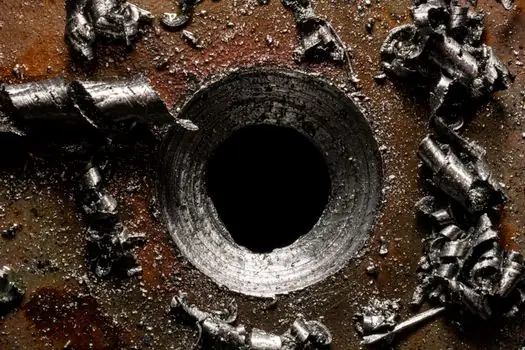
The four recurring paper-mill bearing failures, in descending frequency, are: seal failure under chemical attack, grease washout from steam/hose-down, electrical-erosion pitting under VFD operation, and fatigue spalling from overload in the press section. Each one traces back to a gate that was missed at specification. A rebuild audit should, at minimum, sample one bearing per section and check for: raceway etching, seal lip hardening, grease darkening, and EDM-frosting patterns on the outer race ID. [S1]
For new builds, a useful pre-shipment checklist is: material certificate matching the chemistry gate, seal elastomer rated 20°C above measured housing temperature, IP rating verified by the housing supplier (not by the bearing supplier alone), and dynamic load rating C confirmed against the driven-machine peak load with a 1.5x service factor. A misstep on any of these is what produces a 30-day paper-machine bearing failure, and the production loss in a 2,000 tpd line is what dominates the lifetime cost.
Cross-reference to other process-industry bearing maps
Similar four-gate logic applies to other process-industry bearing environments. For high-rotational-speed and tower-mounted loads, the wind-power bearing map walks the same temperature, sealing, and series-fit logic with different boundary values Ball bearing selection for wind power: 2026 spec gates and supplier map. For washdown and corrosion environments with lower speeds, the agricultural-machinery map covers the same chrome-steel-vs-stainless decision with a heavier emphasis on dust and mud ingress Ball bearing selection for agriculture machinery: 2026 spec map. For high-throughput packaging lines where the chemistry is benign but speed and hygiene are the constraint, the packaging-lines map gives the matched 2RS / non-contact seal choice Ball Bearing Selection for Packaging Lines: Spec Gates, Series Choices, and Failure Modes. [S1]
The underlying component specifications are covered under lighting equipment and electric lamps, and ball screw.