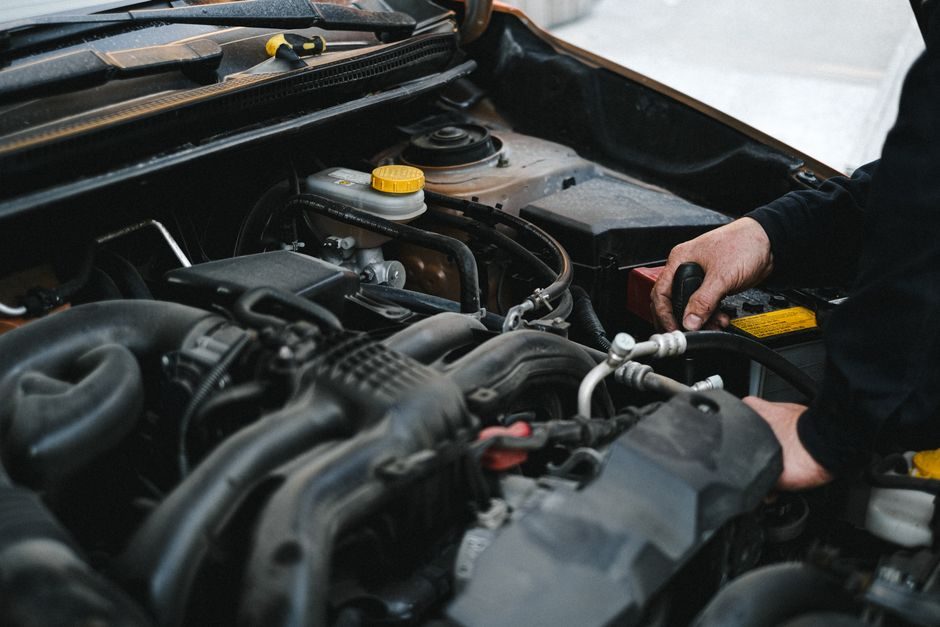
For automotive service in 2026, the best check valve is a compact spring-loaded inline poppet sized to the specific fuel, vacuum, or air line — 4/6/8/10/12mm hose ID for fuel and PCV circuits, 1/8"-1/2" NPT/BSP for vacuum harnesses and air-take fittings — built from aluminium alloy, brass, or 304/316 stainless steel, with a working pressure rating of at least 60 psi and a crack pressure matched to the circuit it serves [S1][S2].
Automotive check valves are low-flow, low-pressure devices compared to process check valves used in oil-and-gas — they almost never need to be API 6D or ASME B16.34 rated, but they do need chemical compatibility with the fluid (gasoline, diesel, E85, methanol, oil, washer fluid, intake air) and the temperature swings of an engine bay, typically -40 °C to +120 °C continuous [S1].
Three Main Automotive Check Valve Types in 2026
Inline spring poppet valves dominate the automotive aftermarket because they are cheap, bidirectional-install-friendly, and quiet; sizes 4/6/8/10/12mm in aluminium alloy are the default fuel-line choice on AliExpress listings, with 5,000+ units sold at $0.33-$3.13 each and 4.9-star averages over the past 90 days [S1].
Vacuum-harness and PCV one-way valves are a distinct automotive sub-category: GM Genuine Parts / ACDelco 14047619 cruise-control vacuum check valve holds the #1 best-seller slot on Amazon in the "Distributor Check Valves" category at $9.99 with 414 reviews at 4.6 stars, and is the OE-spec replacement for late-1990s through 2010s GM light trucks [S2]. For European applications, Neexatio 0008600062 covers the windshield-wiper washer circuit across Mercedes W202/S202/W124/W126/W140/C140/W461/W463/R107/R129 chassis [S2].
For motorcycle and powersports EFI, dedicated rebuild kits such as the superb-assy EFI Check Valve Rebuild Kit for Harley-Davidson cover 2012-2021 Softail and 2012-2016 Dyna platforms at $12.00-$13.20 with 4.82 stars over 4,820 ratings and 99.7% positive seller feedback — a part count that tells you the OE valve is a service item, not a lifetime component [S3].
Material Selection: Aluminium vs Brass vs 304/316 Stainless vs Plastic
Aluminium alloy poppets in 6/8/10/12mm cover the widest range of generic fuel-line applications for Peugeot, Renault, and Asian-market vehicles, with sub-$1 entry pricing and ≥4.9-star reliability on AliExpress [S1]. They are not, however, suited to E85 (ethanol attacks unprotected aluminium) or sustained salt-spray environments.
Brass inline spring check valves (1/2", 3/4", 1" female thread) are the workhorse for water and washer-fluid circuits in engine bays, with $0.99-$8.98 price points and 2,000+ units sold in the 90-day window tracked by AliExpress [S1]. Brass is heavier than aluminium and resists ethanol blends better, but it is still vulnerable to dezincification in hot chloride-rich coolant if not DZR-grade.
304 stainless steel female-thread BSPP check valves (1/8" through 2") with a 600 psi rating and -20% discount to $22.33 are the heavy-duty option for high-temperature or high-pressure automotive subsystems such as air-intake recirculation, brake-vacuum, and air-ride plumbing, while 316 stainless is reserved for marine/RV underbody exposure [S1]. 304/316 is the only material family that handles E85, methanol, and road-salt exposure without corrosion over a 5-10 year service life.
Plastic (nylon or POM) inline check valves in 3/4/6/8/10/12/14/16/18/20mm cover low-pressure air and water circuits including windshield washer and small vacuum lines at $0.33-$0.99 per piece, with 4,000+ sold [S1]. Plastic is fine for non-fuel, non-hot-air service; it hardens and cracks above ~80 °C and is incompatible with most hydrocarbons, so it should not be used on pressurized fuel lines.
Selection Criteria: Match These Six Specs Before You Buy
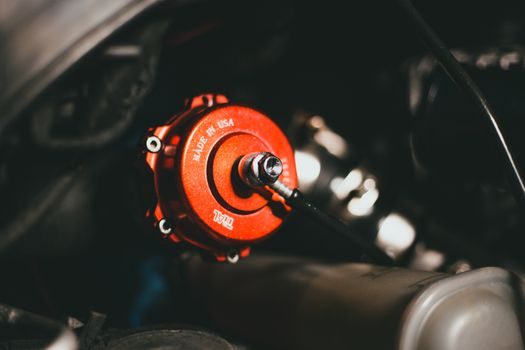
First, line size and thread standard: fuel and PCV lines in the European and Asian aftermarket are almost universally metric hose-barb (4/6/8/10/12mm), while North American OEM vacuum and air-take fittings use 1/8"-1/2" NPT or BSPP — confirming thread pitch (BSP vs NPT are NOT interchangeable, even at the same nominal size) prevents leaks and stripped ports [S1].
Second, working pressure: fuel-system check valves should hold at least 60 psi continuous (carburettor return circuits run 5-7 psi, EFI return-less runs 40-60 psi), while vacuum harness valves operate at -10 to -20 inHg negative pressure only — using a fuel-spec valve in a vacuum harness wastes money but is functionally safe; the reverse is not [S1][S2].
Third, crack pressure (opening pressure): this is the most-overlooked spec in consumer listings. Fuel-pump return check valves for return-style EFI want 1-3 psi crack; one-way fuel-tank vent valves for marine/RV want 0.5-1 psi; PCV and vacuum-harness valves typically 0.1-0.5 psi — too high and the circuit starves, too low and the valve never seals.
Fourth, fluid compatibility: for gasoline, aluminium or stainless; for E85/E10, stainless (304 minimum, 316 preferred); for diesel, aluminium or brass are both fine; for washer fluid (methanol/ethanol mix), plastic or brass; for engine oil, brass or steel. The AliExpress and Amazon listings reviewed in 2026 explicitly rate their valves by fluid [S1][S2].
Fifth, temperature range: under-hood temperatures reach 100-120 °C steady-state near the exhaust manifold and 80-90 °C at the fuel rail; poppet elastomer seals (usually Viton/FKM or HNBR) must be rated to at least 120 °C continuous, 140 °C peak — cheap unmarked valves often use NBR which hardens and cracks above 100 °C [S1].
Sixth, direction and orientation: most automotive inline check valves are bidirectional-install, but PCV and brake-vacuum valves are flow-directional and marked with an arrow; PCV valves on VW/Audi/Seat/Skoda (e.g. part 058905291A for IBIZA III 6L1 1.8 T Cupra R and SUPERB I 3U4 2.0) must be installed arrow-toward-intake or the engine will run rough and oil will be drawn into the intake tract [S1].
Decision Comparison: Which Valve to Buy for Which Application
For a generic in-line fuel non-return valve on a carburettor return line or a low-pressure diesel feed (Peugeot/Renault/Asian-market cars), pick the aluminium alloy 6/8/10/12mm poppet at $0.33-$3.13 — 5,000+ sold on AliExpress, 4.9 stars [S1].
For an OEM vacuum-harness or cruise-control replacement on a 1990s-2010s GM truck, the ACDelco/GM Genuine Parts 14047619 at $9.99 is the documented best-seller with 414 reviews at 4.6 stars and direct fitment [S2].
For a windshield-washer one-way valve on a Mercedes W202/W124/W126/W140/W461/W463/R107/R129, the Neexatio 0008600062 covers the chassis list in the Amazon best-seller set, while a generic 4/6/8mm plastic poppet at $0.33 is a budget alternative if exact OE spec is not required [S1][S2].
For a 2012-2021 Harley-Davidson Softail or 2012-2016 Dyna EFI check valve, the superb-assy rebuild kit at $12.00-$13.20 with 99.7% positive feedback and 4.82 stars over 4,820 ratings is the only aftermarket option with documented platform coverage [S3].
For a 600 psi air-take or pneumatic circuit on a semi-truck or air-ride trailer, the 90-degree brass elbow with lockable quick connector at $16.88 (5.0 stars, Amazon best-seller #3) is the documented heavy-duty option [S2].
When a Check Valve Is the Wrong Part

Automotive ball valves and butterfly valves are NOT substitutes for check valves — a ball or butterfly is for manual shut-off, not backflow prevention, and using one in a fuel return line lets fuel drain back to the tank, causing hard hot-starts [S1].
If the application needs pressure regulation (e.g. fuel-pressure regulator, vacuum advance), a check valve alone will not hold a setpoint; you need a regulator or control valve — the swing check valve pattern common in industrial piping is too large, too low-crack, and too unidirectional for engine-bay service, and a balancing valve is for HVAC hydronic flow balancing, not fuel circuits.
For OEM-spec emissions or powertrain repairs on a controlled vehicle, a $0.99 AliExpress poppet will not pass dealer diagnostics or warranty inspection — use the OE part number (e.g. 058905291A for VW/Audi PCV, 14047619 for GM cruise vacuum) and document the replacement [S1][S2].
Verification and Standards Trail
Reputable automotive check valves carry a part number traceable to the vehicle, a marked flow direction arrow, and a working-pressure rating stamped or laser-etched on the body; the AliExpress 600 psi 304/316 stainless valve and the Amazon truck air-take valve both list pressure and thread spec explicitly in their listings, which is the minimum documentation to expect [S1][S2].
No ISO 5208 or API 598 seat-leakage certification is offered in the consumer automotive segment — these are industrial check valve test standards, not applicable to a $0.99 fuel poppet. Where a higher-tier industrial reference helps, the globe valve selection criteria used for process engineering share the same pressure-temperature-material logic that automotive buyers should apply (matched line size, matched fluid chemistry, headroom on the pressure rating).
