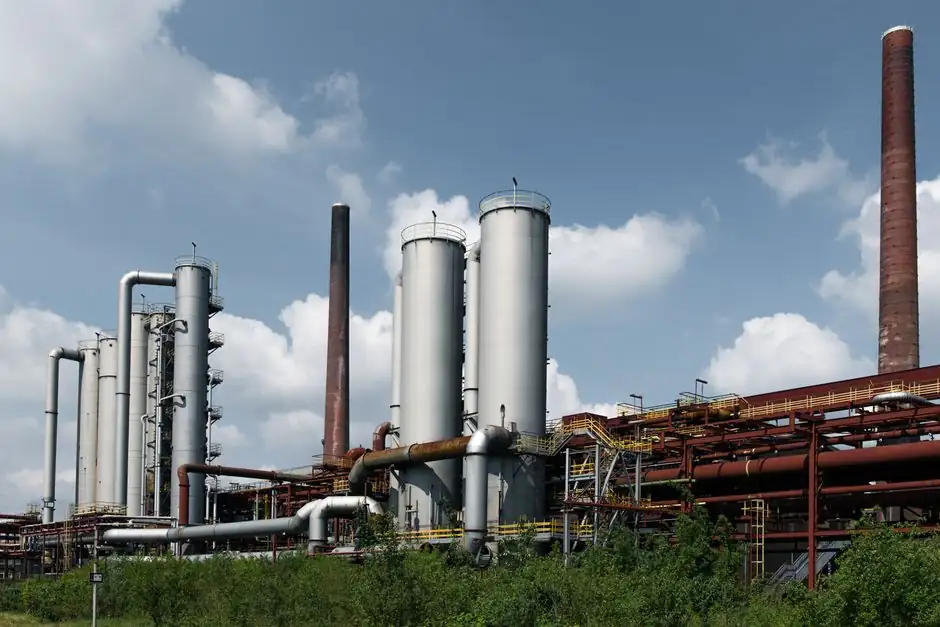
The industrial catalyst industry links upstream raw-material extraction (platinum group metals, base-metal oxides, zeolite precursors) to downstream refining, petrochemical, and emissions-control end-users, with supply-chain structure typically divided into upstream, midstream, and downstream segments [S5].
Upstream and downstream roles differ sharply: upstream chemicals serve exploration, drilling, and well-completion under high-pressure, high-temperature reservoir conditions, while downstream chemicals include refining catalysts, process chemicals, and performance additives that operate inside controlled refinery and petrochemical units [S2]. The PGM catalyst supply chain explicitly includes segments both upstream of catalyst manufacturing (raw-materials production) and downstream of it (application industries), underscoring where specification leverage is concentrated [S1].
Upstream Side: Raw Materials, PGM, and Base-Metal Feedstocks
PGM catalysts sit at the top of the value chain: their supply chain report defines the scope as including raw-materials production upstream of catalyst manufacturing, the catalyst maker itself, and downstream application industries [S1]. Upstream chemicals are the formulations deployed in exploration and production: drilling fluids, cementing additives, and production chemicals designed for harsh reservoir environments where temperature, pressure, and brine composition dictate performance [S2].
For oil and gas specifically, upstream operations cover identification, extraction, and production of crude oil and natural gas from underground reservoirs, with technical staffing typically including geologists, petrochemical scientists, engineers, geophysicists, and drilling contractors [S5]. Procurement teams in these upstream operators focus on supply-chain optimization and strategic sourcing, since material cost directly flows into joint-operations accounting and field-unit economics [S5]. For comparison with adjacent non-ferrous chains, the ferrochrome upstream and downstream map shows the same pattern of mine-to-refinery vertical integration, while the lithium carbonate upstream-downstream map tracks a brine-and-converter route that mirrors PGM refining logistics.
Midstream and Catalyst Manufacturing: Where Specification Lives
Midstream oil and gas covers trading, transportation, and storage of crude, natural gas, and refined products, acting as a buffer between extraction and processing [S5]. In the catalyst chain, midstream corresponds to catalyst manufacturing: pelletizing, impregnation, calcination, and quality control. Catalyst producers in this tier must deliver consistent specifications because downstream product specifications leave minimal room for variation [S2].
Downstream chemical buyers prioritize consistency and regulatory compliance above price, and the same logic applies to catalyst offtakers: refiners, ammonia and methanol plants, and auto-catalyst line builders all run on tight tolerances [S2]. Continuous technology development in catalyst production, optimization, and increased efficiency is a documented industry focus, with the global catalyst market characterized as booming on the back of those efficiency gains [S6]. Where catalyst supply intersects with adjacent chemical procurement, specialty chemicals sourcing from China: a spec-first buyer's workflow is a useful reference for how mid-tier buyers verify COA, impurity limits, and packaging conformance.
Downstream Side: Refining, Petrochemicals, and Emissions Control
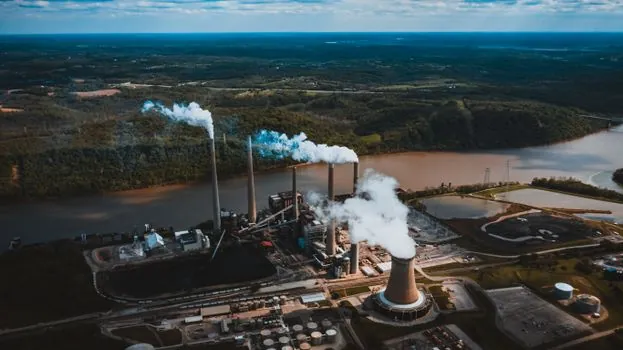
Downstream chemicals are defined as those that transform raw hydrocarbons into valuable end products, with refineries, petrochemical plants, and processing facilities as the principal offtakers, and the output slate spanning gasoline, plastics, and thousands of consumer products [S2]. Refining catalysts, process chemicals, and performance additives are explicitly named as the three main downstream-chemistry categories [S2].
Downstream operating conditions are controlled rather than wild: temperature control, catalyst regeneration, and product separation define the chemical-needs profile, in contrast to upstream's scale, corrosion, and enhanced-recovery challenges [S2]. Regulatory frameworks also differ: upstream operations face drilling and production environmental concerns, whereas downstream facilities navigate product quality standards and emission regulations [S2]. For end-application context, the industrial fastener supply risk 2026 brief shows how downstream OEMs in similar pressure-regulated industries tighten traceability once their offtake crosses regulated borders.
Decision Criteria: Upstream vs Midstream vs Downstream Players
A side-by-side comparison clarifies where each tier adds value and where a buyer's leverage sits. The three segments are not interchangeable; the table below lines them up against four buyer-relevant criteria drawn from the reference material [S2][S5].
Upstream: operating environment is reservoir conditions (high pressure, high temperature, corrosive brine); primary products are drilling fluids, cementing additives, production chemicals, and extracted crude/gas; main buyer risk is supply continuity tied to well-by-well demand; typical staffing includes geologists, geophysicists, drilling contractors, and petrochemical scientists [S2][S5]. Midstream: environment is transport and storage assets (pipelines, terminals, tankers); primary product is moved crude, gas, and refined intermediates; main buyer risk is logistics disruption and tariff exposure; staffing tilts toward operations, scheduling, and trading roles [S5]. Downstream: environment is controlled refinery and petrochemical units; primary products are refining catalysts, process chemicals, performance additives, and finished fuels/petrochemicals; main buyer risk is specification drift and emission-regulatory change; staffing centers on process and quality engineers [S2].
Failure Modes, Constraints, and What the NACE Figure Implies
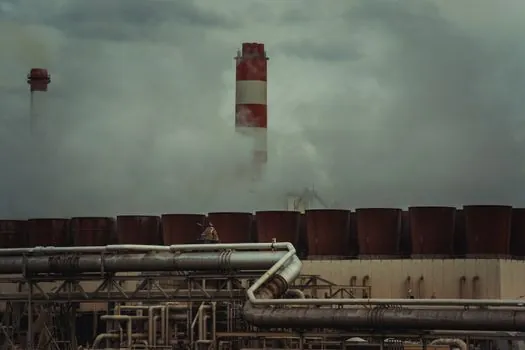
Specification failure in the catalyst chain is rarely a single-event accident and more often an accumulated cost: NACE-cited data puts total annual corrosion cost in oil and gas production alone at $1.372 billion, with proper chemical selection identified as a meaningful lever to reduce those losses [S2]. That figure is upstream-weighted, but downstream units carry parallel risks: a poisoned catalyst bed or a missed impurity spec can take a hydrocracker off-line for weeks.
Constraints differ by tier. Upstream chemical formulations must prevent scale, control corrosion, and enhance recovery rates in field conditions that are only partially characterized before deployment [S2]. Midstream is capital-intensive and exposed to pipeline and storage incidents, with accounting practices structured around the actual production process and joint-operations cost allocation [S5]. Downstream runs on tight product specifications and must clear emission regulations while holding refining yield; catalyst regeneration cycles, feed-impurity drift, and turnaround scheduling are the recurring pain points [S2]. The role of supporting industrial borescope inspections during catalyst-reactor and reformer-tube turnarounds is well established in plant maintenance practice, although specific vendor model numbers are out of scope here.
Standards, Sourcing Discipline, and 2026 Buyer Signals
Catalyst procurement is a YMYL-adjacent activity: a wrong grade on a hydrotreater or an ammonia reformer can shut a plant. Buyers should anchor on the published standard or OEM datasheet applicable to the reaction (for example, hydrodesulfurization catalyst specifications tied to feed sulfur and target product sulfur), and verify COA against those numbers rather than against generic trade names. [S1]
For PGM catalysts specifically, the supply-chain map published by the U.S. Department of Energy defines scope as raw-materials production upstream of catalyst manufacturing through to downstream application industries, giving procurement teams a documented framework to align with [S1]. Upstream procurement teams are explicitly described as emphasizing supply-chain optimization and strategic sourcing, with competitive advantage pursued through contract management rather than spot buying [S5]. For buyers of adjacent inputs such as battery-grade cobalt, cobalt sulfate supplier shortlist: spec grades, packaging, and regional lead times is a useful parallel reference for the same grade-and-packaging discipline. Trackable signals to watch next: PGM price indices (Pt, Pd, Rh) versus catalyst offtake volumes, FCC catalyst refresh rates in U.S. and Asian refineries, and any DOE or IEA updates referencing the 2022 PGM catalyst supply-chain framework [S1].
For component-level specifications, see construction machinery and equipment, and lamps and light fittings.