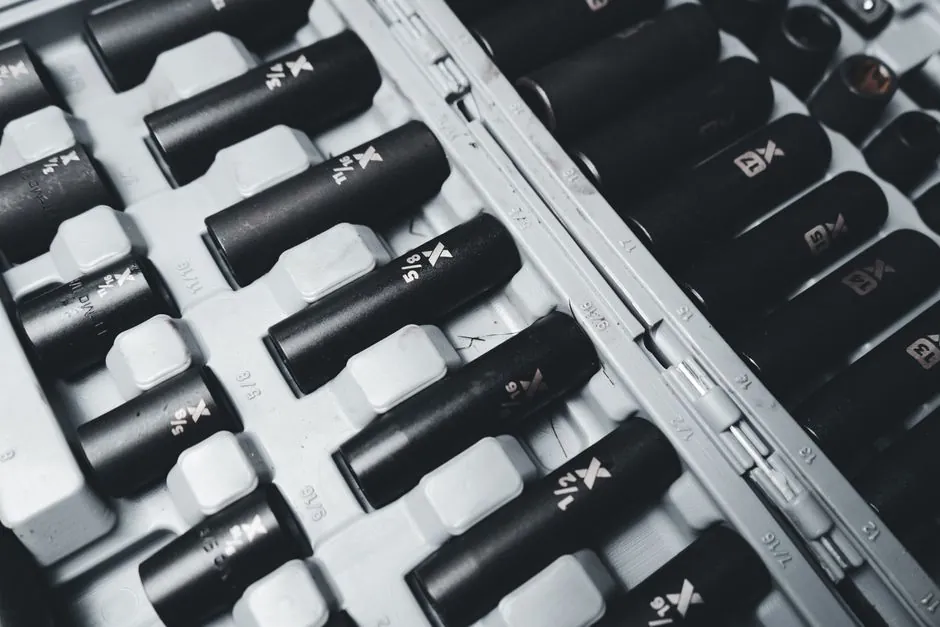
Industrial fastener supply in 2026 is constrained less by headline panic and more by structural tightness in stainless steel, alloy steel, and titanium feedstocks, layered with intermittent port and labor friction [S2].
The practical consequence for OEM and EPC buyers: lead times on A2-70/A4-80 hex bolts, ASTM A193 B7 studs, and titanium grade-5 socket-head cap screws still swing 4-12 weeks depending on heat-treat capacity and the route through China, Taiwan, or domestic mills [S1][S3].
What Is Driving 2026 Fastener Supply Risk
Raw-material availability is the single largest variable in 2026 fastener delivery performance: stainless steel (304/316), alloy steel (4140, B7), and titanium (Gr2/Gr5) all saw price and allocation tightness during 2025-2026, and fasteners sit at the end of those melt-to-billet chains [S2][S3].
Labor availability at forming, thread-rolling, and heat-treat stations directly caps throughput; container and chassis shortages and port congestion extend ocean transit variability by 1-3 weeks on Asia-to-North-America lanes [S2]. Power-supply reliability at domestic stamping and heat-treat plants remains a secondary constraint, particularly where the same grid feeds industrial UPS backed process lines.
Decision Criteria: Who Needs a Formal Fastener Risk Plan, and Who Does Not
Buyers in wind, oil and gas, rail, and structural steel should treat fasteners as a Tier-1 critical component, with full heat-lot traceability, MTR retention, and dual-source qualification on any grade above ASTM A193 B7 or into titanium [S1].
Buyers of commodity wood screws, low-grade sheet-metal screws, and non-critical stampings can usually ride single-source relationships with quarterly safety stock; the cost of formal dual qualification does not pay back in these classes [S1][S2]. The boundary is roughly where a missing lot would stop a line, fail a NACE MR0175 sour-service audit, or trigger an ASME B31.3 weld-data rework.
Side-by-Side: Main Fastener Categories Against Decision Criteria

Four criteria frame most 2026 sourcing decisions on fasteners: grade/cert depth, typical lead time, single-source exposure, and substitute risk. [S2]
Carbon-steel structural (ASTM F3125 grades, ASTM A307): low cost, short lead time (2-6 weeks domestic), moderate single-source exposure, substitutes are usually direct; risk concentrates in the galvanizing pass.
Stainless hex bolts and socket heads (A2-70, A4-80 per ISO 3506-1): moderate cost, 4-10 week lead time on imports, high single-source exposure for 316 marine grades, substitute risk if chloride resistance is in spec; primary shortage trigger is nickel-bearing stainless coil [S2][S3].
High-strength alloy studs (ASTM A193 B7/B8, ASTM A320 L7): high cost, 6-12 week lead time, very high single-source exposure, poor substitutes in pressure-bound flange joints; this is the class where a 4-week slip can stall a plant turnaround [S1][S3].
Titanium fasteners (Gr2/Gr5 per ASTM B348/F136): very high cost, 10-20 week lead time, near-monopoly exposure, and effectively no drop-in substitute, so the only real risk action is dual-qualifying the mill and carrying a buffer equal to two order cycles [S1].
Use Cases: Where Shortages Actually Bite in 2026
In chemical and petrochemical EPC, sour-service stud bolt shortages have historically been the single longest pole on turnaround critical paths, and 2026 is no different, especially for A193 B7M and B8M Class 2 with NACE MR0175 compliance [S2][S3].
In renewables, wind-tower internal flange bolt kits routinely require ISO 4014 / ISO 4017 grade 10.9 with documented Charpy impact at -20C, and suppliers without in-house heat treatment are dropping quotes rather than risk re-validation, so the qualified-supplier pool is shrinking, not the material itself [S1]. In rail and bridges, ASTM F3125 grade A325 and A490 structural bolts are now commonly ordered with construction machinery and equipment tied erection crews, which means a fastener delay becomes an erection-crew idle cost, not just a parts cost.
For OEM assembly in consumer and light-industrial product, the dominant risk is invisible: a 304 stainless sheet-metal screw sourced as an A2 substitute in a coastal application silently rusts through warranty, so the linear guide rail value chain equivalent for fasteners is a material-substitution audit, not a procurement spreadsheet.
Standards and Sourcing Discipline
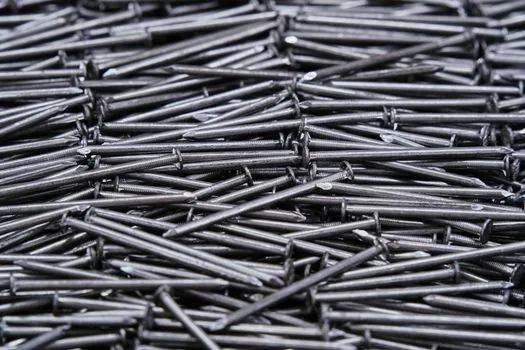
Spec discipline is the cheapest insurance: require ASTM A967 passivation documentation on stainless, ASTM A380 compliance for cleaning, full MTRs traceable to heat number, and a separate cert pack for any lot sold as DFARS-compliant for U.S. federal work [S1][S3].
Reliable fastener suppliers in 2026 publish lot-level traceability, hold ISO 9001 or AS9100, and disclose their second-tier heat-treat partner; the buyers who lock this in now ride out 2026 allocation cycles with minimal line disruption, while buyers chasing the lowest PO price eat the rework [S1][S3]. One useful sanity check: ask the supplier to name the upstream wire-draw mill, the heat-treat source, and the country of melt; if any of those three are evasive, the supply risk is not actually mitigated, it is just hidden.
Next signals to watch over Q4 2026: 316L coil allocation notices from domestic service centers, A193 B7 forging capacity at second-tier Taiwanese and Indian suppliers, and any ASTM F3125 grade A490 recall or audit finding, each of these will move the 2027 fastener risk map before the year turns.
The underlying component specifications are covered under lamps and light fittings.