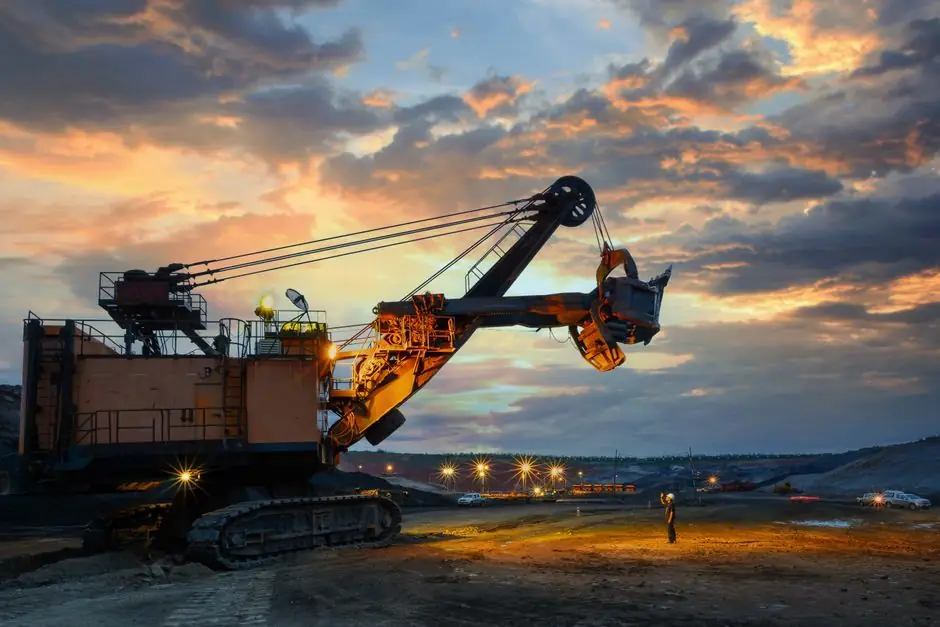
Centrifugal pumps are the standard choice for continuous, high-volume mining duties, where they can handle abrasive slurry while AODD or peristaltic pumps suit smaller, intermittent, or highly variable transfers [S2][S8].
Correct selection must cover crusher, milling, screening, dewatering, and water-supply duties, with pump performance checked against flow, head, slurry density, particle size, suction conditions, and wear exposure rather than clean-water capacity alone [S1][S3].
Define the duty before selecting pump geometry
A mining centrifugal pump converts rotational energy into hydrodynamic energy to move water or slurry, but its rated capacity is only valid for the specified liquid and operating conditions [S1]. The selection basis should therefore identify the required flow, total dynamic head, suction and discharge conditions, fluid density, solids concentration, particle-size distribution, abrasiveness, corrosiveness, temperature, and required operating hours [S1][S3].
For mill circuits, the slurry can be thick, highly abrasive, and continuously recirculated; for crusher and screening sumps, flow may surge and carry coarse debris; for pit dewatering, groundwater can contain suspended solids and grit [S2]. These duties cannot share one generic hydraulic selection. For mine dewatering, a centrifugal pump is normally selected for sustained high-flow service, while temporary sump cleaning may favor a positive-displacement alternative where compressed air is available [S2].
Compare the main pumping technologies by operating requirement
Centrifugal slurry pumps are usually the best fit for continuous, high-volume transfer because they can deliver more flow with less floor space than positive-displacement alternatives [S2][S8]. Their disadvantage is that efficiency and head generation depend strongly on speed, impeller geometry, and the actual slurry properties, so a pump selected from clean-water curves can underperform in service [S3][S5].
Peristaltic pumps suit variable-density, abrasive duties where consistent or pulseless flow is required, although long hose life remains dependent on drive speed, pressure, and solids characteristics [S2]. AODD pumps fit intermittent sump-cleaning, emergency-removal, and repositionable duties because they can run dry and self-prime, but compressed-air availability and cycle life constrain their role [S2].
Match the hydraulic performance to the actual slurry
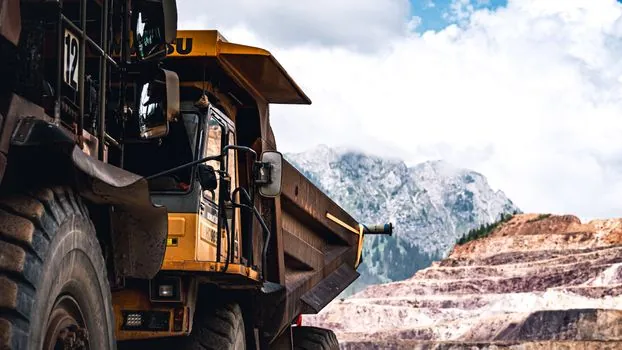
The selected pump must deliver the required flow at the system head with the impeller diameter and speed chosen for that operating point, rather than relying on a broad catalogue maximum [S1][S3]. Total dynamic head is the sum of static elevation, pressure, and friction losses, while net positive suction head available must exceed the pump requirement plus service margin to control cavitation in deep sumps [S1].
Slurry density changes the hydraulic load, and increased solids concentration raises the power needed to transport the mixture [S2][S3]. Use the maximum credible solids concentration, largest representative particle size, and lowest or highest acceptable liquid level when checking impeller power and suction conditions. AODD and peristaltic pumps offer distinct advantages in mining applications where conditions are variable, abrasive, or chemically aggressive, while centrifugal slurry pumps remain common across many high-volume transfer duties [S2].
Do not use a clean-water performance curve as the final duty point. Request the manufacturer to confirm head, flow, absorbed power, NPSH, and operating limits for the specified slurry. The centrifugal pump operating principle makes impeller speed and diameter central to that check because changing either alters the head-flow and power relationships.
Specify wear and corrosion materials for the actual service
Slurry pumps use thicker casing sections, controlled internal clearances, and wear-resistant wetted parts rather than the material logic used for clean-water service [S5]. Centrifugal slurry pumps incorporate reinforced casing sections, wear-resistant wetted components, and heavy-duty bearing assemblies [S5].
A separate mining selection reference associates 27% chrome steel with a claimed threefold wear-life improvement relative to an underspecified alternative, but the comparison does not replace site-specific wear testing [S1]. Angular, hard particles attack impeller vanes and the volute, while corrosive process water can attack the same surfaces after wear removes protective material [S5].
For combined abrasion and corrosion, compare high-chrome white iron, rubber-lined pumps, and fluoropolymer or UHMW-PE liners against the ore, particle size, temperature, and chemical exposure. Do not select elastomers or liners from water temperature and flow alone; verify concentration limits, chemical compatibility, liner thickness, and the effect of abrasive particles on the exposed substrate.
Apply the service-specific exclusions
A centrifugal slurry pump is a poor choice where the duty is small, intermittent, highly variable, or dominated by coarse debris unless its economic and hydraulic advantages outweigh added operating complexity [S2]. In active excavation sumps, an AODD pump may be more practical because it can be repositioned, self-prime, and tolerate solids when compressed air is available [S2].
Positive displacement is also a poor default for a large, continuous clean-water duty because a centrifugal centrifugal pump typically offers the more economical route to high flow [S2]. Conversely, a centrifugal pump is a poor default for a metering duty where discharge flow must remain tightly controlled during slurry-density changes, because its output is affected by hydraulic conditions rather than fixed by displacement [S2][S9].
Deep-sump dewatering requires a documented NPSH calculation, not merely a high-head catalogue pump [S1]. High-head mine dewatering also requires assessment of solids-bearing groundwater, pressure integrity, and access for maintenance [S4]. Where the installation involves a clean or process-water circuit rather than slurry, evaluate the canned motor pump option only when its sealing architecture and materials fit the actual fluid and site conditions.
Standardize procurement data and acceptance checks
A purchase specification should identify the pump type, maximum operating flow, rated head, speed, impeller material, casing material, liner, seal arrangement, bearing housing, shaft, coupling, motor, and required NPSH [S1][S3]. It should also define the design slurry, including solids concentration, maximum particle size, density, abrasiveness, corrosiveness, and temperature, because these values determine both hydraulic and material selection [S2][S3].
ISO 2858 is identified as a relevant reference in the mining selection material, while site duties must also be checked against applicable local mining, electrical, and hazardous-area requirements [S1]. Do not assume a mine’s hazard classification or motor-certification requirement from the pump type alone. For a broader view of pump selection in a different process, compare the criteria described in Centrifugal Pump Selection for Water Treatment, then return each candidate to the mining-specific slurry and site data.
Factory testing and site acceptance should confirm rated flow and head, maximum absorbed power, NPSH margin, coupling alignment, leakage, bearing temperature, and operation with the specified test medium. A clean-water witnessed test does not prove slurry performance, so the procurement file should identify whether vendor slurry testing, site water testing, or both form part of the acceptance basis [S1][S3].
The final shortlist should retain only pumps whose documented flow-head operating point covers the worst credible slurry and suction conditions, whose wetted materials address both abrasion and corrosion, and whose maintenance plan suits the site access and operating-hour cycle. Track the selected duty point, wear-part metallurgy, and guaranteed NPSH as three traceable procurement signals before releasing an order.