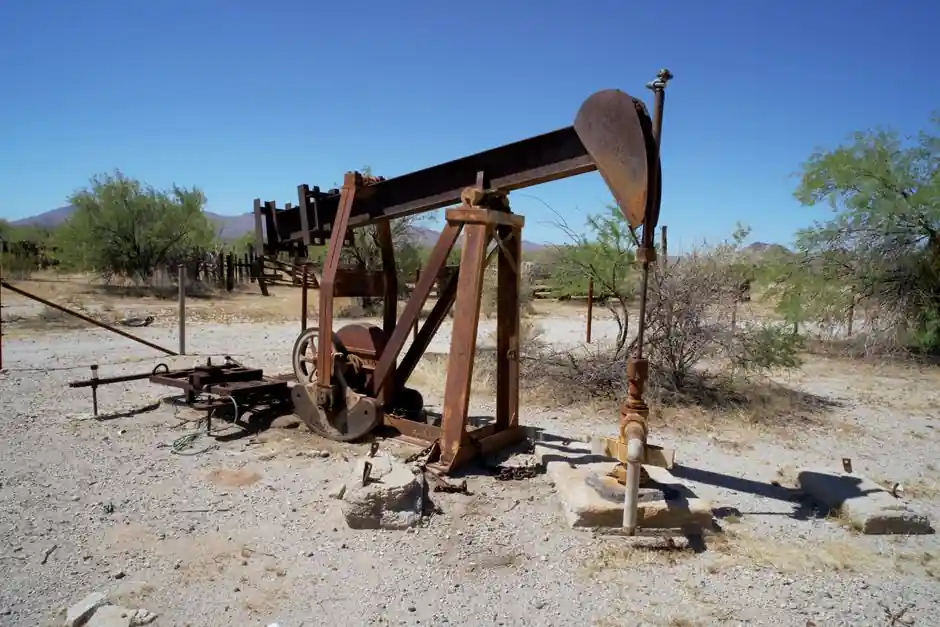
An air-operated double diaphragm pump is the practical default for remote mine dewatering because it handles variable flows and can operate where diesel or electrical equipment presents an ignition risk [S2][S3].
The correct mining pump selection depends on the fluid, concentration, temperature, flow, duty cycle, casing materials, port sizes, power options, features, maintenance needs, and total cost of ownership [S3][S4].
Match the pump type to the mining duty
Diaphragm pumps are positive-displacement pumps whose reciprocating diaphragms create an expanding and contracting chamber; two-diaphragm AODD designs use compressed air to drive the liquid side, allowing inlet and outlet check valves to direct the flow [S7].
AODD pumps are widely used in the mining industry because of their versatility and reliable operation, including for dewatering and sediment-laden water [S2][S3]. AODD pumps are widely used in the mining industry because of their versatility and reliable operation [S2][S3].
One documented QUANTM i30 configuration delivers 30 GPM, or 114 L/min, at pressures up to 100 psi with 120 V or 380/480 V power [S4]. This is a model-specific rating, not a universal performance curve.
A stage-by-stage guide to mining pumps shows where AODD and peristaltic pumps fit across the mining process, from pit dewatering to concentrate load-out [S8]. For a broader comparison, use the diaphragm pump selection framework before comparing mechanical-seal equipment such as a centrifugal pump.
Compare the principal power and construction options
The decision should be made against four criteria: hazardous-area suitability, abrasive-solids tolerance, controllable duty, and materials exposed to the pumped liquid. [S3]
Do not select a mainstream AODD unit merely because it is portable.
Size flow, pressure, suction, and solids independently
Start with the process data sheet rather than catalog horsepower: specify fluid, solids concentration, maximum particle size, operating temperature, flow, pressure, suction conditions, duty cycle, and the equipment being replaced or connected [S4].
Port size sets a practical transport trade-off. Port diameter is not the same as solids passage, so both values must be obtained from the selected model.
The QUANTM i30 is rated for up to 100 psi, or about 6.9 bar [S4]. For an AODD pump, confirm the performance curve at the actual air pressure rather than accepting a headline maximum flow rating.
The Ingersoll Rand Pit Boss air-operated diaphragm pump has a unique exhaust check valve to prevent water and contaminants from entering the air motor system while the pump is fully submersed [S3]. The cited Ingersoll Rand Pit Boss configuration uses that exhaust check-valve feature to support operation while fully submerged [S3].
Specify wetted materials against the actual fluid
For the Husky 716, the fluid section is aluminum or stainless steel, and diaphragm options include Fluoroelastomer, Buna-N, Santoprene, PTFE Overmold, PTFE/EPDM 2-Piece, and TPE (Hytrel) [S4].
Before selecting a pump, identify the fluid, concentration, temperature, flow, duty cycle, and other process data, and consider maintenance needs and total cost of ownership [S3][S4].
Choose features that prevent mining failures
The Ingersoll Rand Pit Boss air-operated diaphragm pump has a unique exhaust check valve to prevent water and contaminants from entering the air motor system [S3].
The Wilden Pro-Flo SHIFT range includes 25 mm (1 in.), 38 mm (1.5 in.), 51 mm (2 in.), and 76 mm (3 in.) bolted-metal pumps, as well as 38 mm (1.5 in.), 51 mm (2 in.), and 76 mm (3 in.) clamped-metal pumps [S5].
Duty-cycle requirements determine whether a basic manual unit is acceptable. For automated dewatering, specify an electric diaphragm solution only after checking motor area classification, control voltage, remote monitoring, diaphragm life, and access to spare parts. SCADA integration has been used to expose operating status and reduce blind failure response in a documented abrasive mining installation [S4].
Apply sourcing and qualification requirements
Require the pump supplier to identify the exact model, fluid-section material, diaphragm and check-valve elastomers, maximum particle size, rated flow at the specified pressure, dry-running capability, inlet and outlet sizes, power supply, and certified area classification [S3][S4].
Do not treat “mine-rated” as a sufficient specification. The grading document should state whether the unit is intended for dewatering, abrasive slurry transfer, or chemical service, and should identify every wetted component. For AODD equipment, request the air-consumption curve and performance at the available barometric pressure and air pressure [S2][S5].
The selection record should also cover operating temperature, minimum and maximum flow, maximum suction lift, allowable air pressure, duty-cycle hours, available hose and manifold sizes, and maintenance intervals. These fields determine whether the selected diaphragm pump will remain operational between planned stops rather than merely start successfully at commissioning.
Build the final shortlist from service conditions
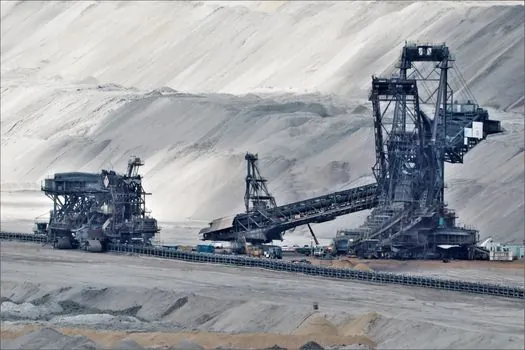
Choose an AODD unit for mobile or remote dewatering where compressed air is available and hazardous atmospheres prohibit electric or diesel equipment; choose a heavier AODD configuration for continuous solids transfer; choose an electric diaphragm pump for automated slurry duty with electrical infrastructure and hazardous-area controls [S2][S3][S5].
A documented case illustrates the boundary: a California mining operation selected an electric QUANTM diaphragm pump for abrasive slurry because the previous centrifugal arrangement had a mechanical-seal failure mode, while adding SCADA visibility to the installation [S4]. That case supports eliminating seal exposure, but it does not replace model-specific flow, pressure, temperature, and solids checks [S4].
For pump-system details specific to fluid transfer, compare the diaphragm pump with a diaphragm valve only when the line also contains a positive-displacement isolation function.
Finalize the shortlist only after recording the selected model revision, material grades, performance limits, hazardous-area approval, available utilities, and wear-part list. Confirm those documents with the manufacturer before purchase, then track runtime, diaphragm replacements, check-valve failures, energy or compressed-air consumption, and unplanned stops as the first operating signals.