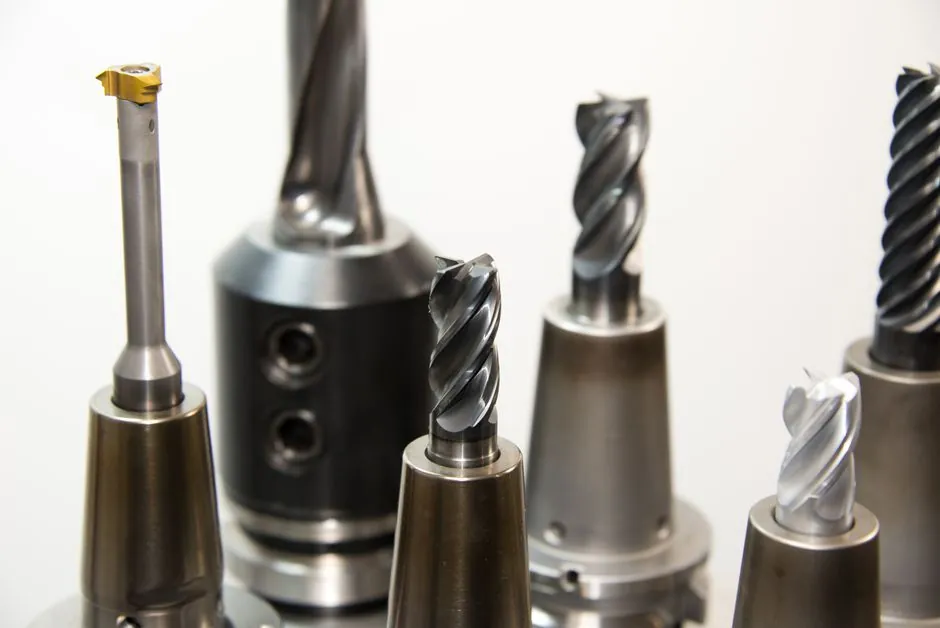
A cold box core shooter is the bottleneck machine on a hardware foundry's sand line: if it stops, the molding line starves, scrap rates climb, and tooling life collapses, per published maintenance guidance dated 2026-08 [S1].
The cold box process uses polyurethane resins hardened by amine gas catalysts inside a closed core box, which is the same chemistry that drives the maintenance, safety, and procurement logic covered in this spec map [S1][S3].
Process scope and what cold box actually does
A core is a disposable insert that forms internal cavities and reentrant angles in a casting, and cores are commonly used in sand casting, die casting, and injection moulding [S3]. A typical V-8 engine block, for reference, uses 5 dry-sand cores per casting, a number that gives hardware foundries a clear productivity baseline when sizing a cold box core shooter [S3].
The seven engineering requirements for any sand core are green strength for handling, hardened-state compression strength of 100 to 300 psi (0.69 to 2.07 MPa), high permeability for gas escape, controlled friability for shakeout, refractoriness against hot metal, smooth surface finish, and minimum gas evolution at pour [S3]. Cold box cores are dry-sand cores that meet these requirements by curing a resin-coated sand with amine gas inside a closed tooling set, which is the role the cold box core machine fills on a hardware line.
Selection criteria that actually decide the buy
Three numbers drive cold box core shooter selection for hardware work: maximum core envelope (length, width, depth in mm), shot weight per cycle, and rated cycles per shift, per the published core shooter product range covering auto, standard, and double head variants [S2]. The auto and double head configurations are positioned for higher-volume production, while the standard machine is sized for regular core-making operations [S2].
Beyond throughput, hardware foundries should also weigh the resin-handling path and amine gas extraction path as hard-purchasing criteria, not accessories, because the cold box process is "harsh" and the maintenance burden is inseparable from safety and environmental compliance [S1]. When core production halts, the entire molding line starves, so MTBF and MTTR, not just cycle time, are the real uptime metrics for any cold box cold box core machine selection [S1].
Type comparison: standard, auto, and double head
The three published variants line up as follows against hardware-foundry decision criteria: [S2]
Standard core shooter: best fit for low-to-medium shot count and small-to-medium core sizes, with the lowest capital cost, but it relies on operator-driven cycle control [S2]. Auto core shooter: adds automated cycle control for higher and more consistent production rates, suited to foundries that need stable shot weight and repeatable density across shifts [S2]. Double head core shooter: fits the highest output case where two cores are made per cycle, and it is the logical step before adding a second single-machine cell, again conditioned on core size and production volume [S2].
For context against a different core-making process, the shell core shooter uses a hot resin-bonded sand and a heated pattern, so its operating cost and energy profile differ from cold box even when the core envelope looks similar. Hardware buyers who already run a no-bake or green-sand line usually add cold box specifically for the tighter tolerance and faster cure that amine-catalysed resin delivers, not to replace the hot box core machine workflow that some legacy lines still keep.
Use cases that fit hardware manufacturing
Hardware manufacturing is explicitly listed as a target industry for core shooter machines, alongside foundries, core shops, automotive casting, pump and valve components, sanitary fittings, and general engineering [S2]. The fit is driven by the volume of small-to-medium sand cores that decorative and functional hardware needs, where consistent core strength, surface finish, and repeatable filling directly affect casting yield.
Cores are most useful where features cannot tolerate draft or where detail cannot be integrated into a coreless mould, which is exactly the case for many internal passages, threaded sockets, and back-side features in cast hardware [S3]. Where aerospace-style thin-wall castings are also in scope, the related aerospace selection map at Cold Box Core Shooter Specs for Aerospace Castings covers tolerance and material drivers that overlap, but hardware buyers should weight cost and shot count ahead of the tighter aerospace envelope.
Limitations, failure modes, and what the machine cannot fix
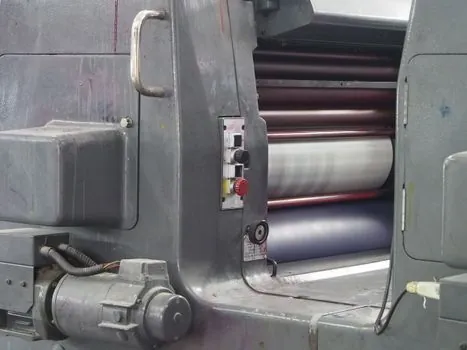
Resin and sand mixtures that are not cleaned off harden rapidly on internal machine surfaces, cling to blow plates and core boxes, and act like sandpaper against tooling, which is the dominant failure mode in a cold box cell [S1]. Neglected resin buildup leads to uneven core density, higher scrap, and premature core box wear, all of which destroy MTBF regardless of how new the machine is [S1].
The cold box process also has hard external limits: amine gas extraction and sealing systems must be inspected on a defined schedule, because operator safety and environmental compliance are not optional add-ons [S1]. Bridging of mixed sand in the sand magazine is a daily-shift failure, blocked flow into the tooling, and it is prevented only by end-of-shift blow plate and sand magazine cleaning, not by harder shooting pressure [S1]. Buyers who cannot commit to daily blow plate cleaning, weekly pneumatic and hydraulic inspection, and an annual tooling audit should expect a cold box cold box core machine to underperform the same machine in a disciplined plant.
Procurement signals to track on the next RFQ
Two verifiable signals separate a good cold box RFQ from a bad one for hardware buyers in 2026. First, require the vendor to publish mean time between failures, mean time to repair, and the tool-less maintenance features on the blow plate and sand magazine, because these are the procurement criteria that the published guidance puts ahead of cycle time [S1]. Second, confirm the resin and amine gas handling subsystem is sized for the regional environmental and operator safety rules that the plant is subject to, not just the machine nameplate, since chemical and safety compliance is treated as inseparable from maintenance in current vendor guidance [S1].
Buyers evaluating a related forming process for the same hardware line can compare notes on the V-Process vacuum molding line spec map for energy equipment castings to decide whether sand-core production should stay on cold box or shift partially to vacuum-formed moulds. Track the next published maintenance cost benchmark from a hardware foundry and any new OEM release of an auto or double head cold box model with documented tool-less service access as the two near-term signals that will tighten or loosen the 2026 selection picture.