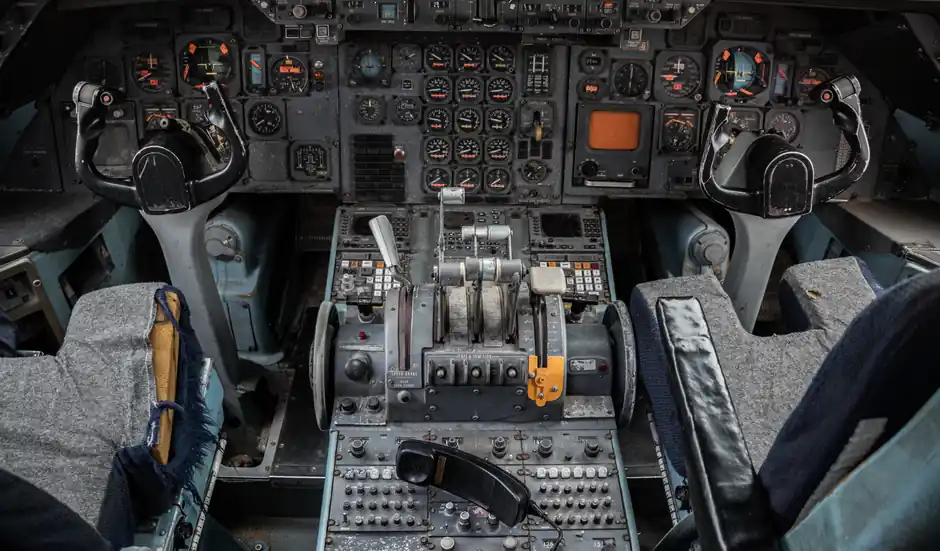
Aerospace sand cores in the 5-50 kg band are produced predominantly on cold box amine (PUCB) core shooters with hydraulic clamping, multi-port gassing, and 30-90 second dry cycle times per core, including gassing and purge [S9].
Single-port gassing guns that pass toy-core qualification leave soft centres on 10 kg+ aerospace cores, which is why a 3-5 port manifold driven by a PLC purge sequence is the working spec for structural airframe and engine-casting cores [S8]. For a working reference of the machine category, see the cold box core machine entry.
Aerospace Core Weight and Tooling Envelope Bands
Cold box core shooters are typically specified by maximum core weight, core box mounting plate size, and opening stroke, and the three working bands for aerospace are 15 kg, 25 kg, and 50 kg per shot. [S3]
CFM Engineers' horizontal parting-line T-type line (CHT2424A / CHT2424 / CHT2828) mounts 600x600 to 700x700 mm plates, with max tooling 550x550 to 650x650 mm and opening strokes of 450-600 mm; the 50 kg CHT2828 takes core boxes up to 750 kg and 150-300 mm thick, with single-shoot 50 kg or double-shoot 80 kg capacity [S3]. The vertical parting-line equivalent (CVT2418 / CVT3018 / CVT3024) widens core box thickness to 100-350 mm and reaches the same 50 kg single-shoot / 80 kg double-shoot ceiling on the CVT3024 [S4]. Makewell's MTH-7080-MT horizontal-with-trolley platform extends to 75 kg shot capacity with 700x800x700 mm tooling, 1000 kg core box, 6-8 kg/cm² pneumatic, and a 40 s dry cycle [S2]. For broader context on shooter topologies, see the shell core shooter and hot box core machine reference pages.
Parting-Line Choice: Horizontal vs Vertical vs Universal
Parting-line selection is a function of core geometry: horizontal parting suits long, low-aspect-ratio cores; vertical parting suits tall draft-sensitive cores; universal (T-type) platforms accept both at the cost of slightly longer dry cycle times. [S3]
Makewell's universal trolley line (MTU-6040-MT, MTV-5060-MT, MTV-6070-MT) covers both vertical and horizontal production, with 600x800x400 to 700x1000x600 mm tooling, 150-250 kg sand hoppers, hydraulic clamping, top ejection, and 35-50 s dry cycles; pneumatic draw is 5-7 kg/cm² and electrical load is 4-8 HP across the three models [S1]. The smaller MTH-450-M / MTH-500-M / MTH-600-M horizontal-only line targets cores up to 7-25 kg, 450-600 mm tooling, 4-5 kg/cm² pneumatic, and faster 16-30 s dry cycles [S5]. For the related platform taxonomy, see the core machine reference. Compared against the four main process options on aerospace fit: cold box amine (PUCB) handles 5-50 kg complex cores at 30-90 s/core with mid-to-high capex and amine exhaust treatment; hot box (heated phenolic) is limited to roughly 5 kg cores at 15-30 s cure but adds heated-tooling energy cost; shell and CO2-cured sodium-silicate processes sit at the small-core end with thinner section limits [S9].
Gassing, Pneumatic, and PLC Control Requirements
For aerospace cores above 10 kg, the gassing system must deliver amine vapour through a 3-5 port manifold on a PLC-controlled purge cycle, and a single-port gun is not acceptable at that envelope. [S8]
GS Machineries' installed base covers cores from 0.5 kg up to 200 kg with cycles typically under one minute, fully automated through ejection, and supports both cold box and hot box process paths on the same platform family [S7]. Practical plumbing draws on a 5-7 kg/cm² (standard) or 6-8 kg/cm² (75 kg-class MTH-7080-MT) air supply, with an in-built gas generator that vaporises amine on hot dry air as the carrier [S2][S6]. Double-shoot facility, multi-shooting via shooting hole or candle shooting, and quick-exhaust post-gassing valves are now standard on the 25-50 kg band, and a 35-50 s dry cycle is the realistic floor once gassing, cure, and purge are summed in [S1][S3][S4].
Selection Criteria Specific to Aerospace
[S3]
Makewell's MTH-7080-MT, with 700x800x700 mm tooling and 1000 kg core box capacity, is the right envelope for wing-spar-class cores; the smaller MTH-600-M at 600x600x600 mm and 25 kg shot capacity fits most engine casing and bracket cores [S2][S5]. CFM's CHT2828 and CVT3024 hit the same 50 kg / 80 kg double-shoot ceiling on the horizontal and vertical parting-line axes respectively, with 150-300 mm or 150-350 mm core box thickness [S3][S4]. The Makewell MTU-6040-MT universal model is the lowest-friction option for job shops running mixed horizontal and vertical core families, at 50 kg shot, 600x800x400 mm tooling, 150 kg hopper, and 50 s dry cycle [S1]. For more on how aerospace compares with high-volume automotive line picks, see the cold box core shooter selection for automotive castings reference.
Failure Modes and Sourcing Pitfalls

Three failure modes drive aerospace rework: soft-cured centres from under-ported gassing, print-shift from a vertical split on a long, low-aspect-ratio core, and amine bleed-through into the casting from inadequate purge sequencing. [S8]
Smaller tooling envelopes force parting-line splits that add print-shift tolerance stack-up, so a 600x600 mm plate floor is a practical minimum for cores above 25 kg; a single-port gun is workable for cores below 5 kg but leaves measurable soft centres on 10 kg+ aerospace cores [S8]. Amines are listed under foundry-ventilation controls in most jurisdictions, and exhaust treatment (scrubbing or thermal oxidising) is the buyer-side retrofit most often missed during capex approval [S9]. For an adjacent process comparison, the V-process vacuum molding line spec map for energy equipment castings reference covers a non-amine route that some aerospace buyers evaluate as a complement for prototype runs.
Sourcing Checks and Lead-Time Signals
Source audits should confirm, in writing: PLC amine/CO2 purge sequence with port count, ISO 9001:2015 quality certification, sand hopper capacity per shot, and a documented dry cycle time that includes the full gassing and purge window. [S3]
CFM Engineers publishes the audit-ready data set (plate, max tooling, opening stroke, core box weight, hopper capacity, shooting area, multi-shoot option) for each model in a single table; CFM is ISO 9001:2015 certified [S3][S4]. Makewell's data sheet adds pneumatic pressure (4-8 kg/cm²), electricity demand (4-8 HP), double-shoot availability, and core retrieval trolley fitment across the universal, vertical, and horizontal trolley lines [S1][S2][S5]. Trackable signals to watch before signing a PO: published dry cycle time including the cure window (16 s for a 7 kg core on MTH-450-M, 50 s for a 50 kg universal core on MTU-6040-MT) and a confirmed gassing-port count of 3-5 on any 10 kg+ aerospace build [S1][S5][S8].
Closing note: confirm the PLC brand and firmware revision at the FAT, not at the RFQ, and pin the amine exhaust treatment scope to the machine builder's supply line before locking the order. The next decision node is sand-system integration: resin-coated sand feed rate, binder percentage, and warm-box vs cold-box routing on the upstream mixer.